
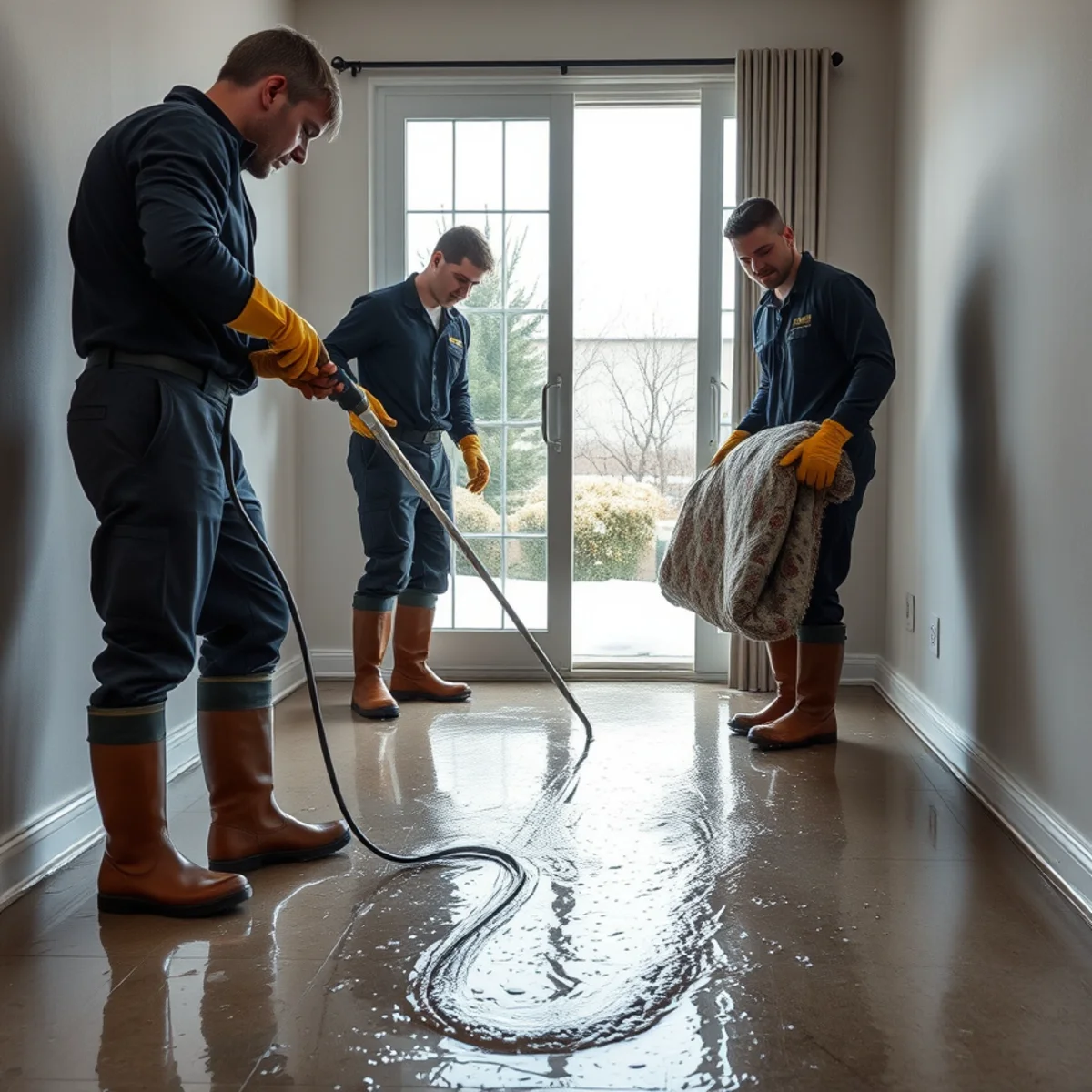
Restoration Service
Flood Cleanup Services in Irvine, CA
Storm runoff, channel overflow and interior floods — pumped out, sanitized, dried and documented for your claim.
- On site in 60 minutes, anywhere in Irvine
- IICRC-Certified Crews
- We bill your insurer directly for covered work
Irvine averages about fourteen inches of rain a year and almost all of it falls between November and March, usually in a handful of intense atmospheric-river events. That pattern is exactly what causes flooding here: the ground and the storm drains sit dry for eight months, then take a season's worth of water in a few days.
Interior flooding is the other half of the picture and it happens year-round — a failed water heater in a garage, a supply line that let go while a family was in Tahoe for the weekend, an upstairs unit that emptied into three units below it. The cleanup is the same discipline either way: get the water out, decide honestly what is salvageable, sanitize, dry to standard, and document all of it.
The distinction that matters most for your wallet is where the water came from. Water that entered from outside is floodwater, and floodwater is not covered by a standard homeowners policy. We flag that early so you are not surprised.
Request Flood Cleanup
Tell us what happened. We respond within minutes, 24/7.
Know the Signs
What Makes a Flood Different From a Leak
Floods are not just bigger leaks. They contaminate, they arrive from below, and they change what can be kept.
The water came in from outside
Runoff picks up landscape chemicals, driveway oil, animal waste and street debris on the way in. That makes it Category 3 by definition, regardless of how clear it looks.
It entered at floor level and spread wide
Rather than one saturated area radiating outward, a flood wets a broad shallow footprint — which means far more linear feet of wall base is affected.
Silt, grit or a waterline on the wall
A visible tide mark tells us the maximum depth, which tells us how high to cut drywall and whether insulation is involved.
The garage or lowest room took the worst of it
In Irvine's slab homes the garage slab typically sits slightly below the living space, so it takes the water first — along with the water heater, the washer and everything stored on the floor.
HVAC or ductwork got wet
Floodwater in floor registers or an air handler will circulate contamination through the whole house the next time the system runs. The system stays off until it is cleared.
It happened while nobody was home
Hours of standing water means saturated materials and near-certain microbial activity. This is a demolition-and-rebuild conversation, not a dry-in-place one.
Our Process
Our Flood Cleanup Process
Flood work follows a stricter sequence than a clean-water loss because contamination has to be controlled before drying begins.
- 1
First 60 minutes
Arrive, secure and assess
Power off to affected circuits. We check for structural concerns, confirm the source has stopped, and classify the water. Outdoor floodwater is treated as Category 3 from the start.
- 2
Hours 1–4
Pump out and bulk removal
Submersible pumps clear deep water; truck-mounted extraction takes the rest. Silt and debris get removed with the water rather than left to dry into the floor.
- 3
Day 1
Salvage triage and controlled demolition
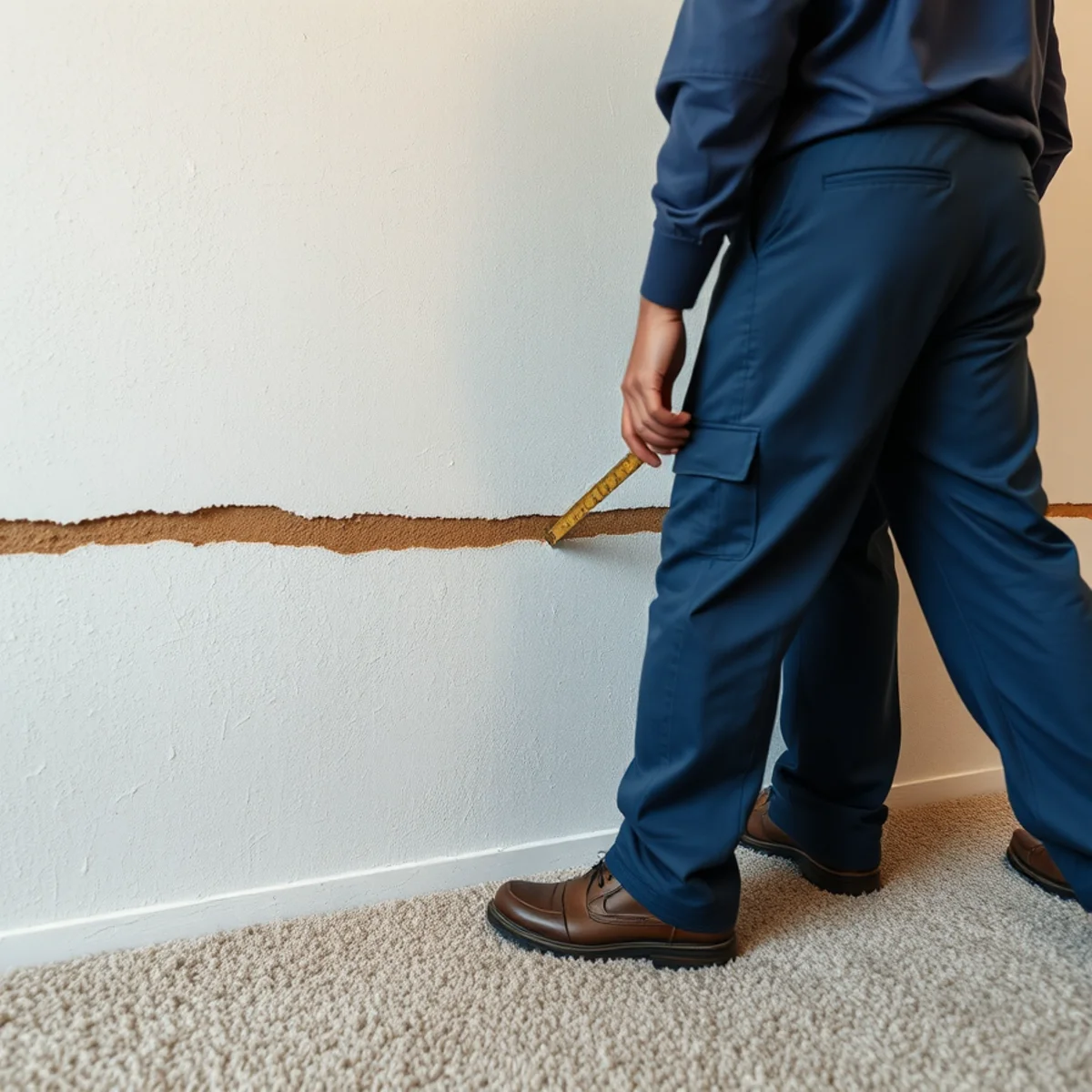
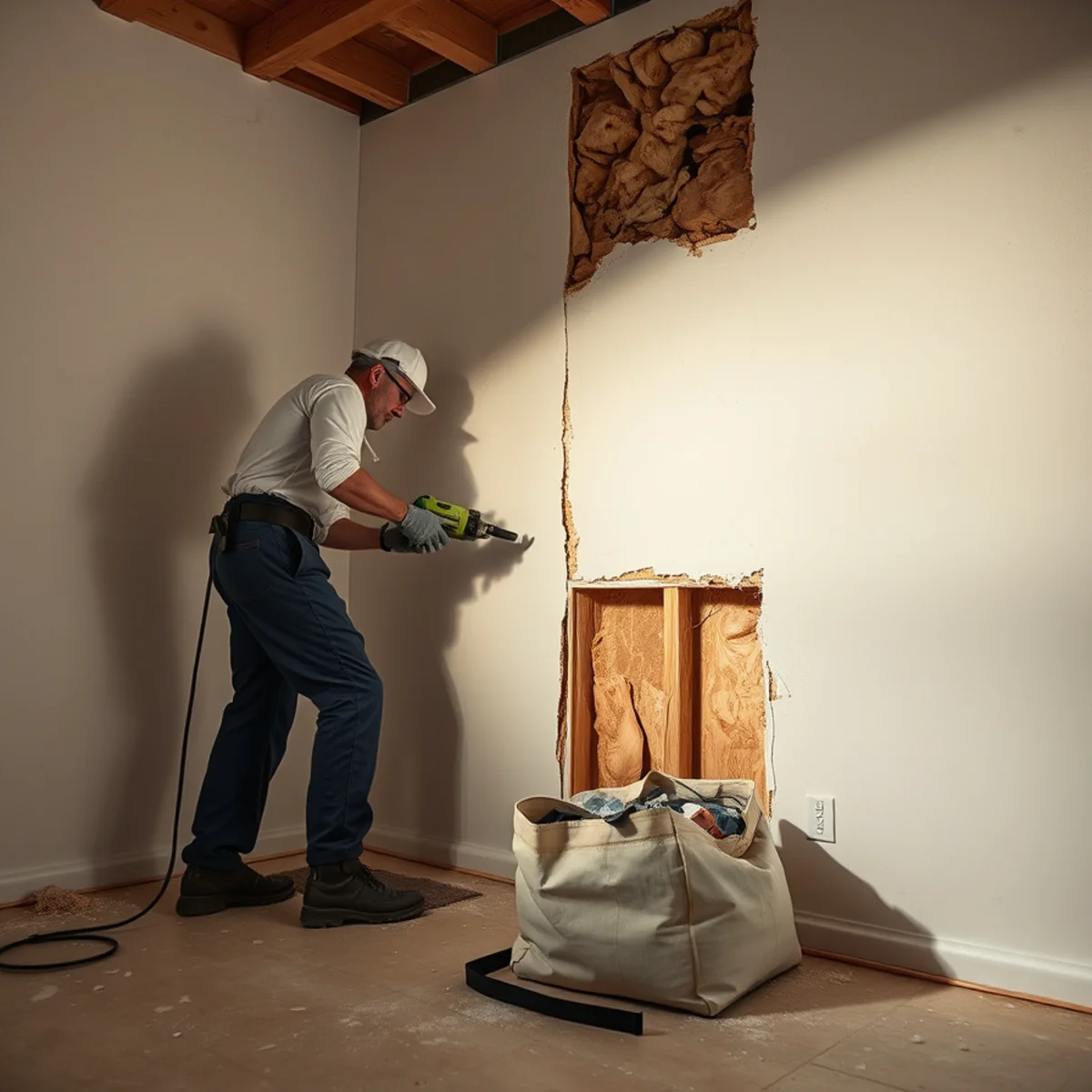
We separate what can be cleaned from what has to go. Porous materials that contacted floodwater — carpet pad, insulation, particleboard, upholstered furniture — are removed and documented. Drywall is cut above the waterline, typically at a clean two-foot or four-foot line.
- 4
Days 1–2
Cleaning and sanitizing
Every remaining surface is cleaned, then treated with an EPA-registered antimicrobial. Framing, slab and remaining wall cavities all get treated, not just what you can see.
- 5
Days 2–5
Structural drying
Air movers and dehumidifiers, plus HEPA air scrubbers running throughout. Slab that has been under water for hours usually needs low-grain or desiccant drying and adds days.
- 6
Week 2+
Rebuild
Insulation, drywall, texture, paint, base, flooring and any cabinetry. We handle the reconstruction ourselves so the mitigation scope and the repair scope agree with each other.
On the Job
Flood Cleanup in action
What this work actually looks like in an Irvine property.
Flood Risk in Irvine: What Is Actually Behind It
Irvine's stormwater runs through the San Diego Creek watershed, which drains a large part of central Orange County into Upper Newport Bay. Orange County Public Works maintains the channel system, and it works well in a normal season. The pressure comes in a big event, when the channels are running high, the storm drains are at capacity, and water backs up at the low points instead of moving through.
Researchers at UC Irvine have published work arguing that widely used private flood models understate flood exposure in urbanized Southern California, in part because they under-represent flooding driven by drainage capacity rather than by river overflow. In practical terms: the fact that your address is not inside a FEMA special flood hazard area does not mean you cannot take on water in a hard storm.
The properties we see flood most often here are not the ones near the creek. They are the ones at the bottom of a grade, the ones with a driveway that slopes toward the garage, and the ones where landscaping has been raised over the years until the finished grade sits above the slab.
Grade that slopes toward the house
Decades of added mulch and planter beds quietly raise the soil above the slab edge. Water follows the slope.
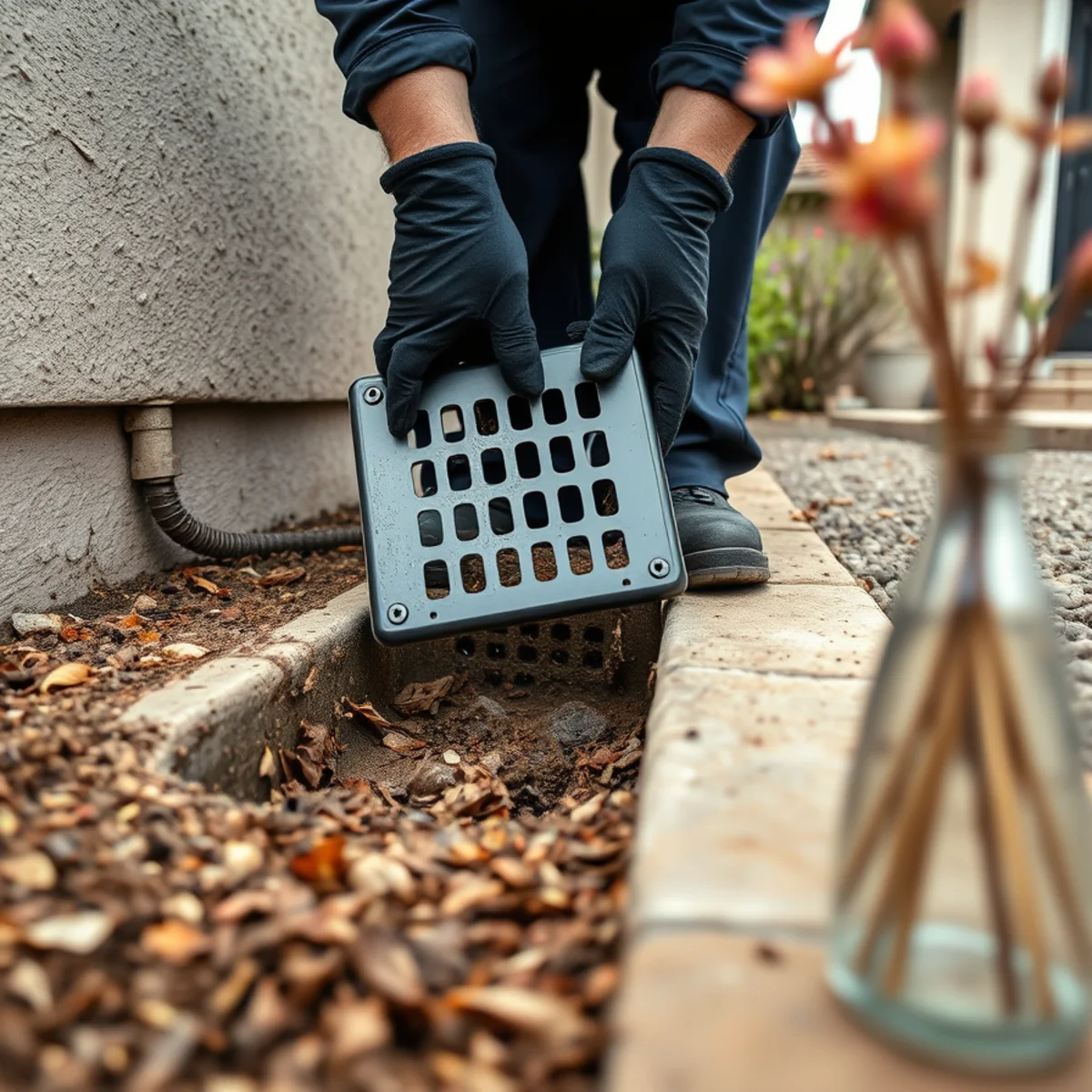
Blocked area drains
The yard drains in Irvine tract homes silt up and get covered by planting. They fail in the first hard rain of the season.
Garage thresholds
A driveway pitched toward the garage door is the most common entry point we see in a storm event.
Overwhelmed street drainage
When the catch basins back up, curb water goes wherever the grade takes it — including into ground-floor units.
Standing water right now? Call us before you do anything else.
We are on site within 60 minutes anywhere in Irvine, 24 hours a day.
The Insurance Reality Nobody Explains Up Front
A standard California homeowners policy covers water that comes from inside your plumbing suddenly and accidentally. It does not cover flooding — water that arrives from outside, from surface runoff, from an overflowing channel or from rising groundwater. That coverage only comes from a separate flood policy, typically through the NFIP or a private flood carrier, and it carries a waiting period after purchase.
This creates a hard split in how a flood job gets handled. If a storm blew a roof tile off and rain came through the opening, that is usually a covered homeowners claim, because the point of entry was storm-created damage to the structure. If water came under the garage door because the street drainage backed up, it is very likely not covered without flood insurance.
We tell you which side of that line your loss appears to fall on at the initial assessment, before you have committed to a scope. We document both scenarios thoroughly, because the distinction is frequently argued and the photographs are what settle it.
What You Get
What flood cleanup includes
No vague scopes. This is what is actually on the invoice and what you receive at the end of the job.
Water classification before anything moves
Outdoor floodwater is Category 3 from the moment it arrives, regardless of how clear it looks. That classification sets the whole protocol and it is not a judgement call.
Pump-out with the silt, not after it
Submersible pumps clear the depth, truck-mounted extraction takes the rest, and debris comes out with the water rather than being left to dry into the floor.
Salvage triage you can see
We separate what cleans from what has to go, and everything removed is photographed and inventoried before it leaves. Contents claims are only as good as that record.
Drywall cut above the waterline
A clean two-foot or four-foot line rather than a ragged tear-out, with saturated insulation, outlets and low cabinetry addressed where the tide mark says they were involved.
Cleaning, then an EPA-registered antimicrobial
Framing, slab and remaining cavities all treated, not just what you can see. Cleaning before disinfecting is the step amateurs skip, and disinfectant over soil does nothing.
Slab drying with the right equipment
Concrete under standing water for hours needs low-grain or desiccant dehumidification and adds days. We size for it on day one rather than discovering it on day four.
Why Water Damage Irvine
Why Irvine calls us for flood cleanup
Plenty of companies list this service. These are the things that actually change the outcome on this particular kind of job.
We tell you about coverage before you commit
Water that came in from outside is flood, and a standard California policy excludes it. We say which side of that line your loss appears to fall on at the assessment, not after the scope is signed.
We know what actually floods in Irvine
Not the homes near the creek. The ones at the bottom of a grade, with a driveway pitched toward the garage, or where decades of planter soil have raised the finished grade above the slab edge.
Category 3 protocol without shortcuts
Containment, negative air, HEPA scrubbing, PPE and regulated disposal. A company quoting flood work at clean-water pricing is planning to leave porous material in place.
A reduced-cosmetics scope when you are uncovered
If the loss is not covered we will scope a version that prioritises health and structure over finish, so your out-of-pocket goes where it matters. Ask for it.
Honest Pricing
What Flood Cleanup Costs in Irvine
Flood cleanup sits at the top of the mitigation range — commonly $7.00 to $8.50 per affected square foot for Category 3 work — because contamination protocols, PPE, disposal and mandatory removal of porous materials all apply. The rebuild that follows is separate, and in a flood it is usually substantial, since the bottom two to four feet of every affected wall has been removed.
A flooded single-car garage with the water heater, washer and stored contents affected commonly lands in the mid four figures for mitigation alone. A ground floor of a home with several inches throughout can reach five figures before rebuild starts.
Category 3 protocols
Containment, negative air, HEPA scrubbing, PPE and regulated disposal are not optional on outdoor floodwater.
Depth and waterline height
Depth sets how high drywall is cut and whether insulation, outlets and low cabinetry are involved.
Volume of unsalvageable contents
Carpet, pad, upholstered furniture, mattresses, particleboard furniture and cardboard-stored belongings all leave. Disposal is a real line item.
Slab drying time
Concrete under standing water for hours needs aggressive dehumidification and adds equipment days.
HVAC involvement
Wet ductwork or a flooded air handler requires cleaning or replacement before the system runs again.
Rebuild scope
Drywall, insulation, base, flooring, paint and cabinetry across every affected room — the largest single share of a flood total.
A note on estimates: If your loss looks like it will not be covered, we will tell you before you commit, and we will scope a version of the job that prioritizes health and structure over cosmetics so your out-of-pocket goes where it matters.
Local Coverage
Flood Cleanup across Irvine and Orange County
Same crews, same equipment, same 60-minute commitment across Irvine. Pick your neighborhood or city for the local detail.
Irvine Neighborhoods
Nearby Cities
Questions
Flood Cleanup — Frequently Asked
Does homeowners insurance cover flood damage in California?
Generally no. Standard homeowners policies exclude flood — surface water, runoff and rising water from outside. That requires separate flood insurance through the NFIP or a private carrier, and new policies typically have a 30-day waiting period. Storm damage that breaches the structure first, such as rain entering through a wind-damaged roof, is usually treated differently and is often covered.
Is floodwater dangerous even if it looks clear?
Yes. Water that traveled across landscaping, driveways and streets carries fertilizer, pesticide residue, petroleum products, animal waste and bacteria. IICRC classifies it as Category 3 regardless of appearance. Keep children and pets out, wear boots and gloves if you must enter, and do not run the HVAC.
What can be saved after a flood?
Hard, non-porous items generally clean up: tile, sealed concrete, solid wood furniture, glass, metal, dishware. Porous items that absorbed contaminated water do not: carpet pad, insulation, particleboard, mattresses, upholstered furniture and most paper goods. We photograph and inventory everything removed so your contents claim is supportable.
Do I need to be there for the cleanup?
For the initial assessment, yes if you can — that is when scope decisions get made and when it helps to have you point out what matters to you. After that we can work with a key, a property manager or an HOA. We send daily photo updates either way.
Can I run a dehumidifier and dry it out myself after a flood?
Not on outdoor floodwater. The problem is not the moisture, it is the contamination — porous materials that absorbed Category 3 water cannot be reliably decontaminated and have to be removed under the IICRC S500 standard. Drying them in place leaves the pathogens in the building and produces a musty room that never quite clears.
Local Proof
What customers say
Read verified customer reviews on our Google Business Profile.
“Our water heater went at 4 a.m. and the garage was under an inch of water. A real person answered, told me exactly which valve to close, and a crew was here before 5. They stopped it reaching the hallway.”
Water Heater Leak Cleanup
“We had a warm patch on the kitchen floor for weeks and assumed it was nothing. They found the slab leak in about twenty minutes without opening a single tile, and the report went straight to our adjuster.”
Slab Leak Detection
“Another company told us the whole plaster ceiling had to come out. These guys dried it in place over six days and the room looks exactly like it did. On a 1912 house that matters.”
Structural Drying
Testimonials shown are illustrative placeholders pending verified customer reviews and are not marked up as structured review data. More about our reviews
Related services
Water Extraction & Removal
Truck-mounted vacuums and submersible pumps pull hundreds of gallons an hour — including the water already inside your walls and pad.
Read moreStorm Damage Cleanup
Emergency tarping and board-up first, then extraction, drying and repair — before the next band of the storm arrives.
Read moreSewage Cleanup & Backup Removal
Category 3 protocol done properly: containment, negative air, HEPA scrubbing, full disinfection and odor removal at the source.
Read more
Read next
Stormwater Got Inside: What's Salvageable After a Flood and What Isn't
Hard and non-porous cleans. Porous and absorbent goes. The hard part is the things in between — and the things you do not want to lose.
Read moreFlood Insurance vs. Homeowners Insurance: Why Storm Flooding Usually Isn't Covered
Rain through a wind-damaged roof: usually covered. The same rain coming under your garage door: usually not. The distinction is worth understanding before it rains.
Read more
24/7 live dispatch
Flood Cleanup in Irvine, CA — 60 minutes away
Call (201) 277-9344 and a live dispatcher will give you an arrival window on that call. Free on-site assessment and written scope before any demolition.
- Free on-site assessment and written scope before any demolition
- Fully insured — general liability and workers' compensation