
Prevention & Maintenance · 5 min read
Gutters, Downspouts, and Yard Drainage: A Pre-Rainy-Season Checklist for OC Homes
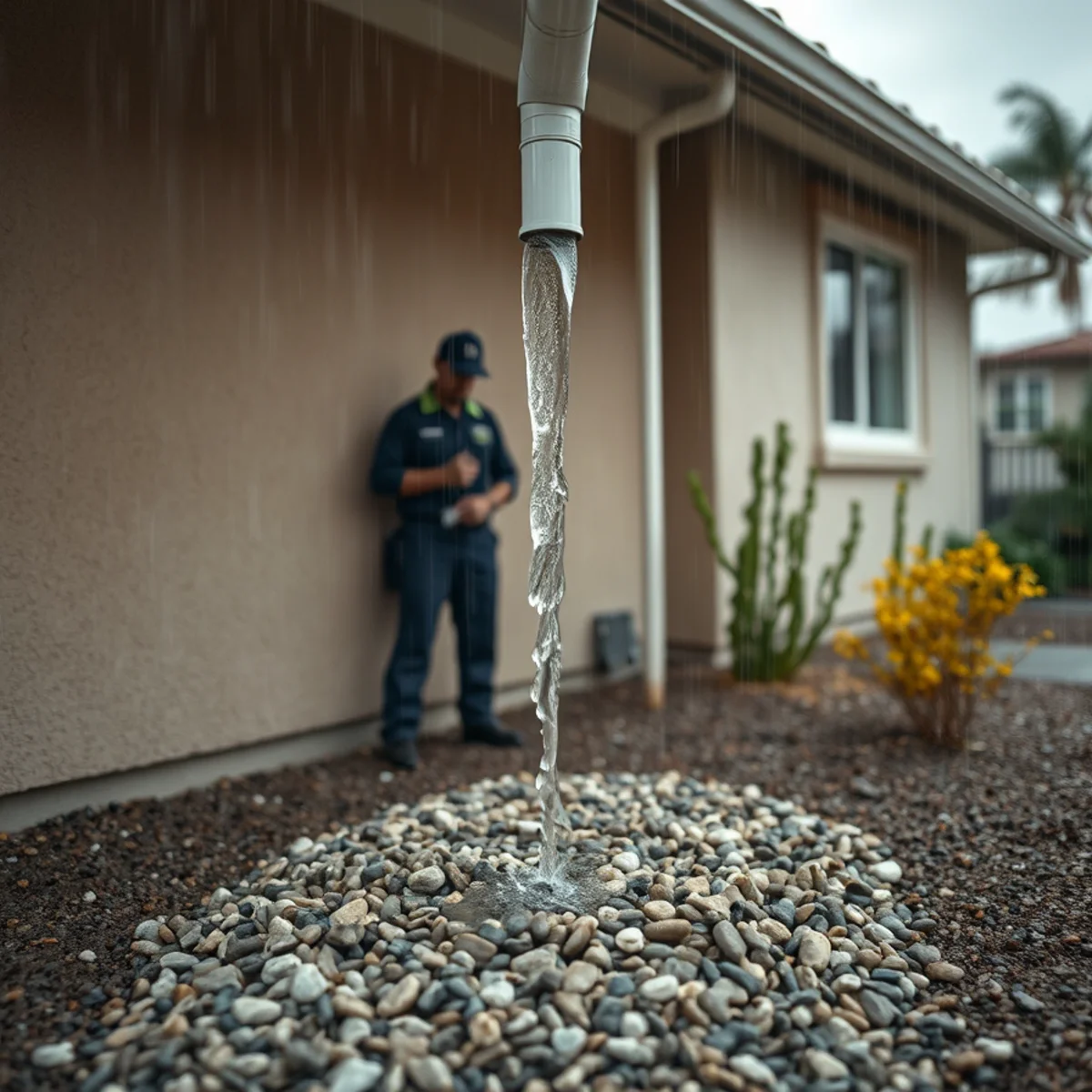
Most storm intrusion we respond to has nothing wrong with the building. It is about where water goes once it lands.
Read article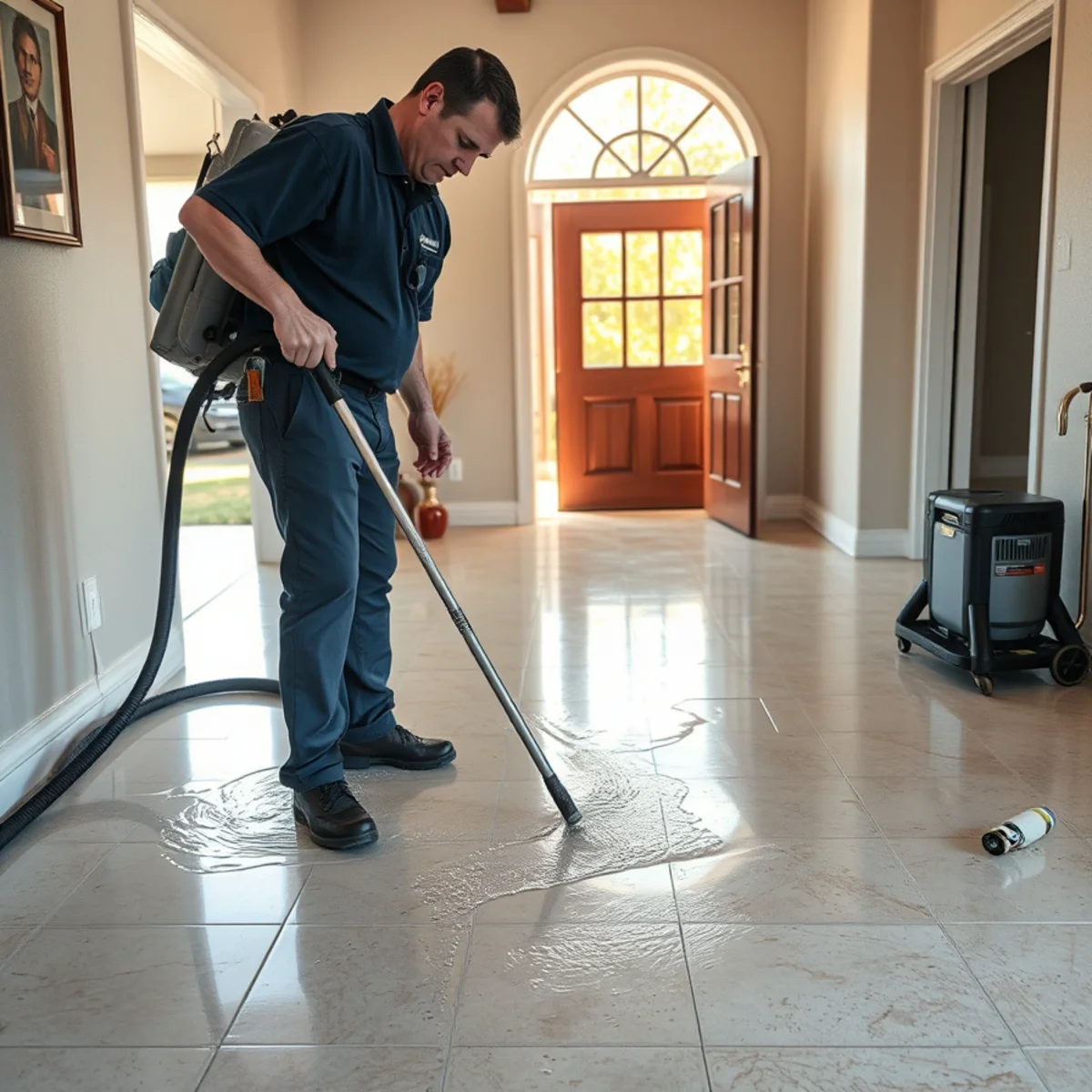
24/7 Live Dispatch — Not an Answering Service
A failed supply line pushes four to eight gallons a minute onto your floor. In an Irvine slab home that water is under the tile and up the drywall before you find the shut-off. We are on site in 60 minutes, extracting before you finish the insurance forms.
60 min
On-site response
24/7
Live dispatch
IICRC
Certified firm
60
Areas served
Not an emergency? Tell us what happened and we'll come look.
IICRC-Certified Firm
WRT & Applied Structural Drying
Licensed & Fully Insured
GL and workers' compensation
We Bill Your Insurer
Direct billing for covered work
24/7 Emergency Service
Live person, any hour
Before We Arrive
This is the same list our dispatcher walks you through on the phone. Save it now, while nothing is wrong — the single most useful thing you can do for a future water emergency is know where your main shut-off is on a calm afternoon.
Minutes 1–5 — Shut the water off
The main valve is usually in a concrete meter box at the kerb or on the exterior wall near the front hose bib. Turn it clockwise until it stops. Call us while you are looking and we will talk you through finding it.
Minutes 5–10 — Cut power, but only safely
If water is near outlets, appliances or a panel, switch off those circuits — but only if you can reach the breaker from a dry position. If you cannot do it safely, do not do it. Tell us when you call.
Minutes 10–15 — Lift what matters
Electronics, documents, photographs and anything sitting on a wet floor. Get furniture legs up on foil or blocks so the stain does not bleed into carpet.
Minutes 15–20 — Document before you clean
Wide shots of every affected room, then close-ups of the source and each wet material, then a walk-through video with narration. This is the backbone of your claim and it cannot be recreated later.
Minutes 20–25 — Call us
Tell us the water source, which rooms are affected and whether power is off. A live dispatcher answers — not an answering service — and you get an arrival window and a named contact on that call.
Minutes 25–60 — Wait safely
Keep children and pets off wet floors. Do not run household fans — without a dehumidifier they push moisture into walls you were not watching. Do not use a shop vac on gray or black water. Pull your policy number together.
Extraction to Rebuild
Four phases, one company. No handoff to a general contractor halfway through and no gap between the mitigation invoice and the repair invoice for your adjuster to argue about.
Emergency water extraction underway in a flooded Irvine, CA home
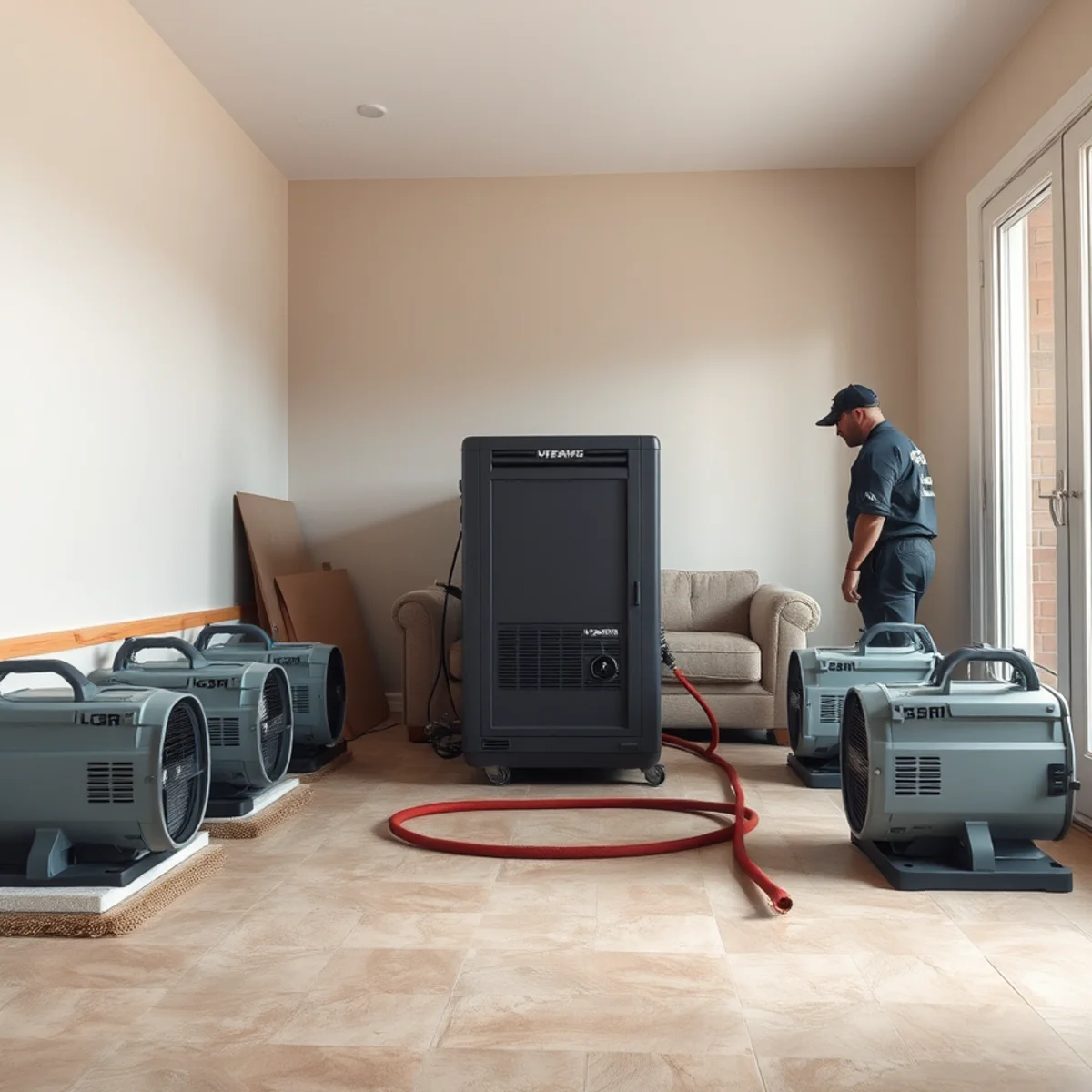
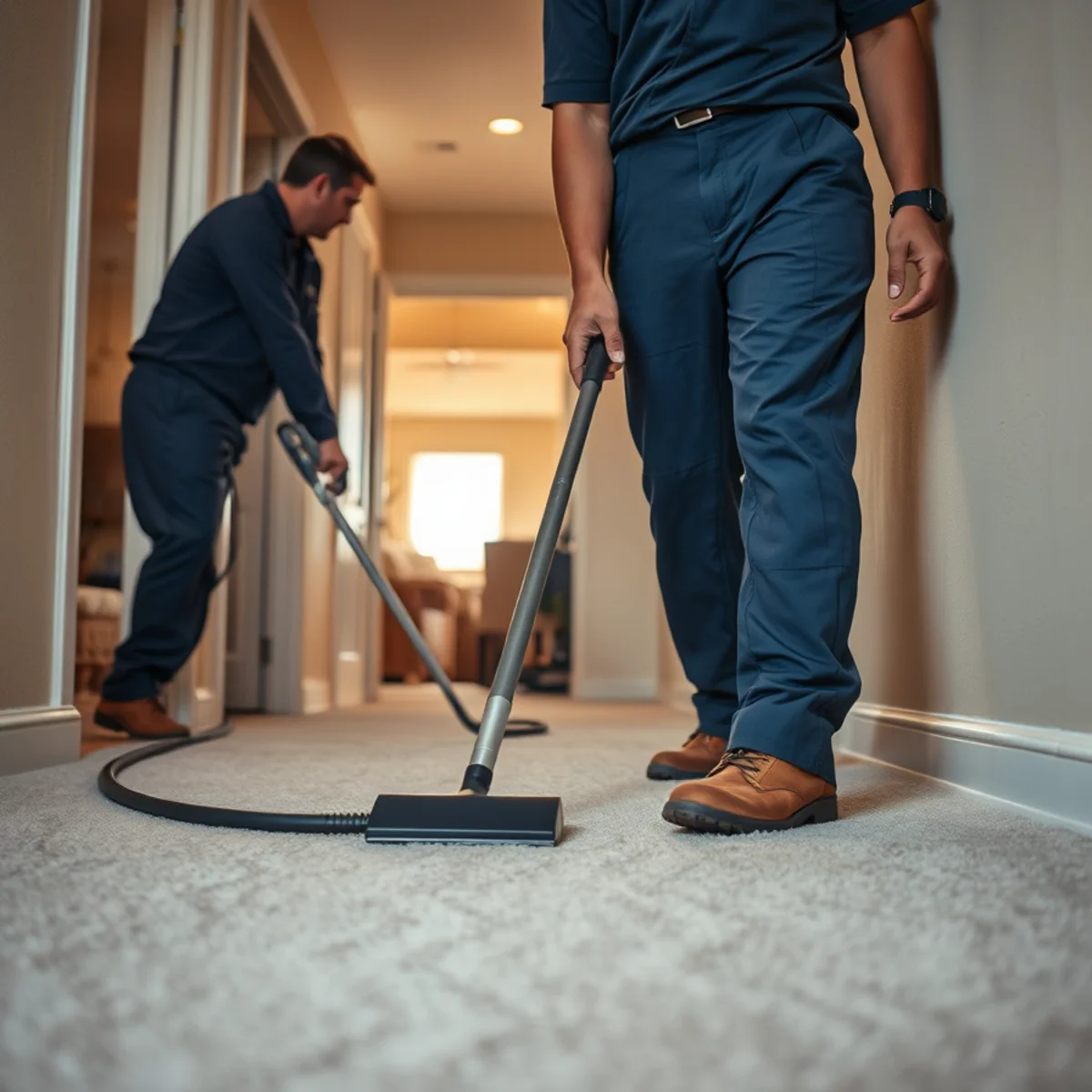
Air movers and dehumidifiers drying a water damaged Irvine, CA room
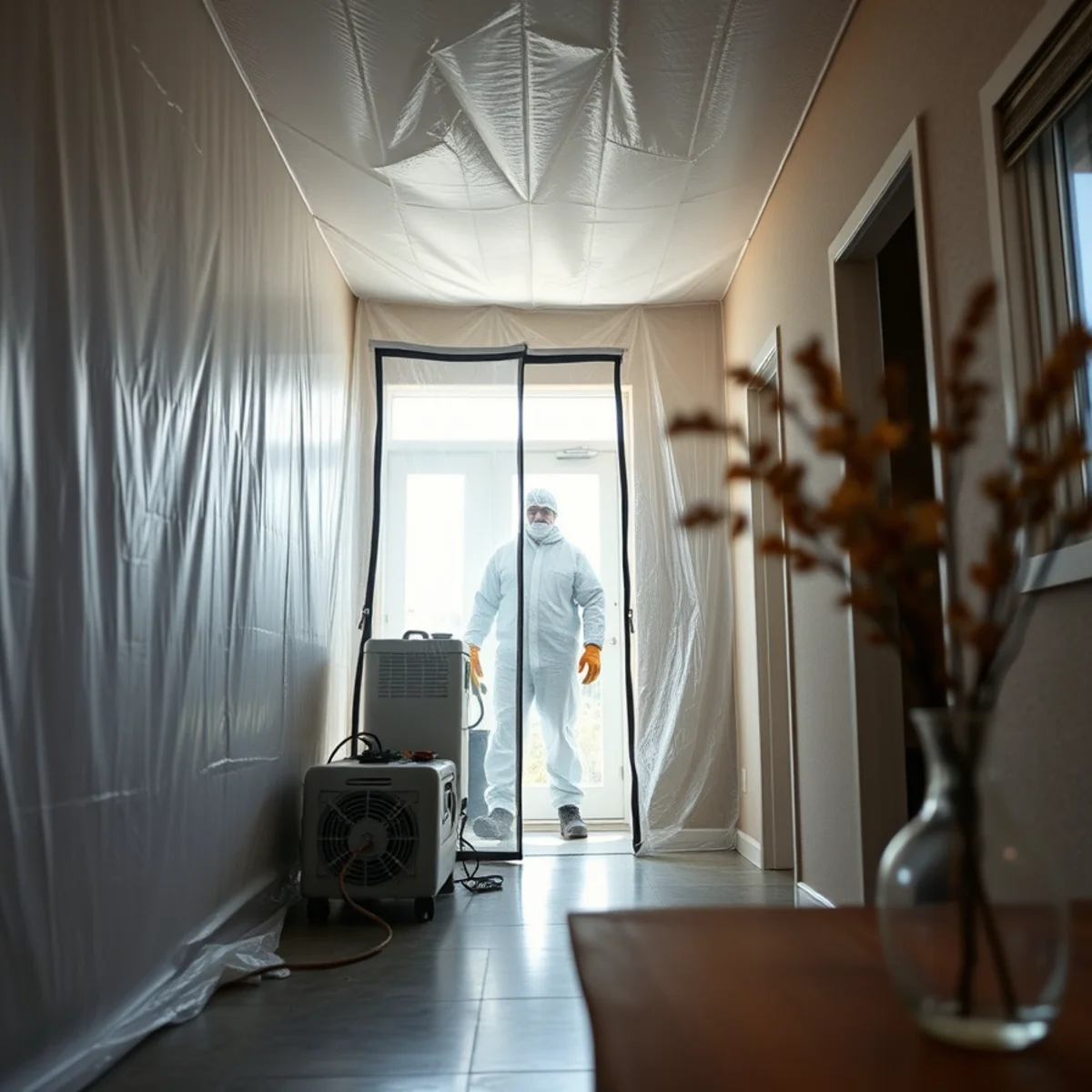
Containment and HEPA filtration during mold remediation in an Irvine, CA home
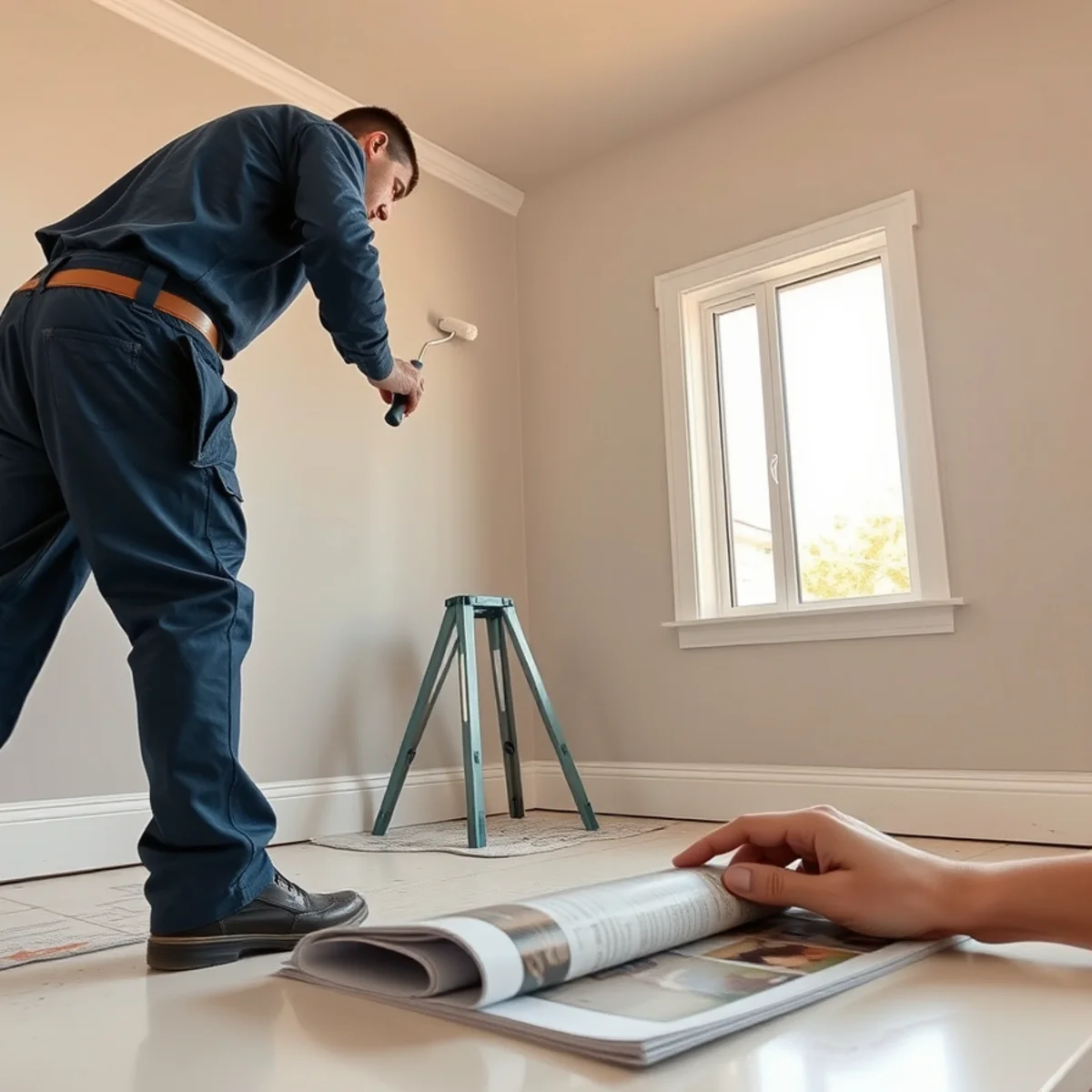
Rebuilding and repainting a restored room in an Irvine, CA home
Our Process
Every competitor page ranking for this search lists services. Almost none tells you what happens or how long it takes. Here is the real sequence, with the real durations, so you can plan your week.
First 60 minutes
Live dispatch and arrival
You reach a person. We confirm the address, the water source and whether power is off, dispatch a crew from Rockfield Boulevard, and give you an arrival window with a named contact who is accountable for holding it.
Hours 1–3
Assessment and extraction
We classify the water, then map the real wet footprint with moisture meters and a thermal camera — routinely two to three times larger than the area you can see. Containment goes up if it is needed, and truck-mounted extraction starts immediately.
Days 1–3
Structural drying and dehumidification
Air movers break the boundary layer across wet surfaces; industrial dehumidifiers capture the vapour they release. We read moisture at the same marked points every day and adjust equipment until materials reach dry standard — not until they feel dry.
Days 2–4
Cleaning, antimicrobial and air scrubbing
Surfaces are cleaned, then treated with an antimicrobial so mould gets no foothold. HEPA scrubbers run throughout. Sewage or black water gets full containment under negative air so nothing crosses into clean rooms.
Days 5–14+
Repair and rebuild
Unsalvageable drywall, insulation and flooring come out, then we put it back: drywall, texture, paint, base, flooring and cabinetry. One company from the first extraction to the final coat of paint, so there is no gap for your adjuster to argue about.
The whole process is documented, and you receive a written scope of work before any demolition begins. For the full phase-by-phase detail, see our water damage restoration process in Irvine.
What We Do
Emergency extraction through final rebuild, handled by one company so there is no gap between the mitigation invoice and the repair invoice for your adjuster to argue about.
Emergency — Call First
Live dispatch at any hour, crews on site in 60 minutes, extraction starting before the paperwork does.
Learn moreFrom the moment the line lets go: shut-off guidance on the phone, extraction on arrival, drying the same visit.
Learn moreBelow-grade and sub-area water pumped out, sanitized and dried — including the garages and sunken rooms that stand in for basements here.
Learn moreEmergency tarping and board-up first, then extraction, drying and repair — before the next band of the storm arrives.
Learn moreFind the source, dry the cavity, then repair and texture-match — because painting over a stain never once fixed a leak.
Learn moreCore Restoration Services
Extraction, structural drying, mold prevention and full rebuild — one crew, one contract, billed straight to your insurer.
Learn moreTruck-mounted vacuums and submersible pumps pull hundreds of gallons an hour — including the water already inside your walls and pad.
Learn moreAir movers plus industrial dehumidifiers, with daily moisture readings — equipment leaves when the material hits dry standard, not when it feels dry.
Learn moreStorm runoff, channel overflow and interior floods — pumped out, sanitized, dried and documented for your claim.
Learn moreCategory 3 protocol done properly: containment, negative air, HEPA scrubbing, full disinfection and odor removal at the source.
Learn moreContainment, HEPA-filtered removal and moisture correction — because mold that grows back was a water problem, not a mold problem.
Learn moreThermal imaging, acoustic listening and moisture mapping to pinpoint a leak before anyone opens a wall or a slab.
Learn moreCause & Property-Specific
Irvine's signature water loss. We locate it, document it for your claim, dry the slab properly, and rebuild what came out.
Learn moreForty to eighty gallons on the garage slab, plus everything it reaches. Extracted, dried and documented — usually the same day.
Learn moreTarp it, trace where the water actually traveled, pull the soaked insulation, dry the attic and rebuild the ceiling below.
Learn moreOffices, retail, restaurants, medical suites and warehouses — scoped around your operating hours, your tenants and your downtime.
Learn moreSingle-family, condo or townhome — one company from the first extraction through the final coat of paint, with your insurer billed directly.
Learn moreBoard-up, soot and smoke removal, odor elimination — plus the water damage the fire department left behind.
Learn moreLocal Risk Profile
Most water damage in this city falls into one of four patterns, and each needs a different detection and drying approach. Our assessment identifies the source and the full extent before we start.
Slab leaks in pre-1990 homes
Copper supply lines run through the concrete. Warm spots on the floor, an unexplained water bill, or the sound of running water with everything off. Irvine's most common hidden loss by a wide margin.
Water heaters and appliances
Garage water heaters at eight to twelve years, braided supply lines rated for five to eight, washing machine hoses under constant pressure. These usually fail while nobody is home.
HVAC condensate overflow
Attic air handlers run hard from June to October and produce gallons of condensate a day. A clogged drain line or a rusted-through secondary pan drops all of it into the ceiling below.
Storm and roof intrusion
Irvine takes about fourteen inches of rain a year, almost all between November and March. Santa Ana winds crack tile and degrade flashing in autumn; the next atmospheric river finds every one of them.
The Angle No Franchise Page Covers
Irvine was built in planned phases, so its plumbing ages in cohorts. Woodbridge, University Park, Northwood, Deerfield, El Camino Real and Walnut all went up between the early 1970s and the late 1980s on slab-on-grade foundations, with copper supply lines running through and beneath the concrete. Those lines are now forty to fifty-five years old.
Two chemistries work on that pipe at the same time. Orange County water is hard and mineral-heavy, so scale builds on the inside, narrowing the bore and creating turbulence at bends and fittings. Meanwhile the soil around the slab runs alkaline, attacking the pipe from outside. The result is a pinhole — a weep too small to make a puddle, running continuously under a foundation for weeks.
That is why so many Irvine losses are discovered late, and why the warning signs are indirect rather than obvious. It is also why we push detection as a routine check in the older villages rather than an emergency service.
Warning signs to watch for
Two of these together is close to conclusive. Shut off every fixture and watch your water meter for fifteen minutes — if it moves, you have a leak.
Know What You Are Dealing With
The IICRC S500 standard sorts water into three categories, and the category decides what can be dried in place versus what has to come out. It is the single biggest driver of both cost and timeline.
| Category | Common sources | Health risk | Recommended response |
|---|---|---|---|
| Category 1Clean water | Broken supply lines, tub or sink overflow, appliance supply failure, rain before it touches anything contaminated | Low risk, but it does not stay clean. Left standing, it degrades into Category 2 within about 48 hours. | Extract, dry, monitor. No special containment. Carpet and pad usually saved. |
| Category 2Gray water | Washing machine or dishwasher discharge, urine-only toilet overflow, sump pump failure | Moderate. Contains bacteria and the nutrients mould needs to establish. | Extract, remove affected porous materials, apply antimicrobial, contain if the area is large. Pad comes out; carpet is usually cleanable. |
| Category 3Black water | Sewage backup, toilet overflow with solids, outdoor floodwater, or any water that has stood long enough to grow biology | High. Carries pathogens that cause serious illness, and it aerosolises during cleanup. | Full containment with negative air, HEPA scrubbing, technicians in PPE, all porous materials removed and disposed of, antimicrobial on everything that stays. |
Category degrades with time. Clean water sitting on a warm floor for 48 hours is no longer clean water — it has picked up soil and organics from everything it touched and now supports microbial growth. Waiting does not just cost you drying days; it can move your loss up a category and take the carpet pad, drywall and insulation with it.
Why Irvine Calls Us
We studied every restoration company ranking for “water damage Irvine” before we built this. These are the gaps we found, and what we do instead.
Our crews and equipment are based off Rockfield Boulevard in south Irvine, minutes from the I-5 / I-405 interchange. That is why the promise is geographic rather than aspirational — we are not dispatching from Los Angeles.
Most companies dry your home and hand you to a general contractor — two contracts, two schedules, two scopes for your adjuster to reconcile. We carry the job to the final coat of paint under one scope.
Mitigation runs about $3.00–$7.50 per affected square foot; rebuild $20–$37 per square foot. No competitor ranking for this search will give you a number. You get a written scope before any demolition.
This city was built on slab with copper under the concrete. We know which villages are in the pinhole failure window, and we find leaks with thermal imaging and acoustics rather than a jackhammer.
Daily moisture readings at mapped points against your home's dry standard. Equipment leaves when the meter says so, and you get the full log — which is also what your adjuster needs.
Most of Irvine is HOA-governed. Certificates of insurance, equipment approval, staging, work hours, and separate scope documentation per unit when water crosses unit lines. You should not be negotiating that.
Honest Pricing
None of the national franchise pages ranking for this search will give you a number, so here are ours. You get a written line-item scope after the on-site assessment and before any demolition starts.
Mitigation — $3.00 to $7.50 per affected square foot
Extraction, equipment and the daily monitoring visits. Category 3 sits at the top of that range, around $7.00 to $8.50, because containment, PPE and regulated disposal all apply.
Repair and rebuild — $20 to $37 per square foot
A separate line item and a separate order of magnitude. Irvine runs toward the higher end because engineered hardwood, stone and custom cabinetry are common here and expensive to put back.
In practice
A single-room clean-water loss caught within hours usually lands in the low four figures with no rebuild at all. A multi-room event that soaked cabinetry runs well into five figures.
The variable you control
How fast you call. Same-hour extraction keeps the carpet, the pad and the drywall in place. The same loss found eight hours later routinely means removal and rebuild instead.
We do not quote a firm price over the phone, and you should be sceptical of anyone who does before seeing the moisture map. What we will do on the phone is tell you honestly whether what you are describing sounds like a $2,000 problem or a $20,000 one. For the full breakdown, read our 2026 Irvine water damage cost guide.
Insurance
Competitors mention insurance in a sentence. Here is what we actually do, what you should do, and where California policies usually draw the line.
What we do
What you should do
Most California policies cover water damage that is sudden and accidental. What they generally do not cover is damage that accumulated slowly — which is exactly why reporting the day you notice something matters. Call (201) 277-9344 and we will tell you honestly which side of that line your loss appears to fall on. What California homeowners insurance covers goes through it in full.
Credentials
Credentials matter most in an emergency, when you have no time to check. So here is exactly what we hold — and where a value is not yet published, we have left it blank rather than inventing it.
IICRC-Certified Firm
Technicians hold Water Damage Restoration (WRT) & Applied Structural Drying (ASD). These are the specific credentials for water restoration and for the drying phase.
Fully insured
General liability and workers' compensation. An unlicensed contractor without cover leaves you exposed if something goes wrong in your home.
Written scope before demolition
You get a line-item scope and an estimate after the on-site assessment and before anything is opened up. If we find more water than the meter showed, you hear about it before we proceed.
The daily moisture log is yours
Readings at the same marked points, every day, until materials hit dry standard. Ask any restoration company for that log at the end of a job — if they cannot produce one, they were guessing.
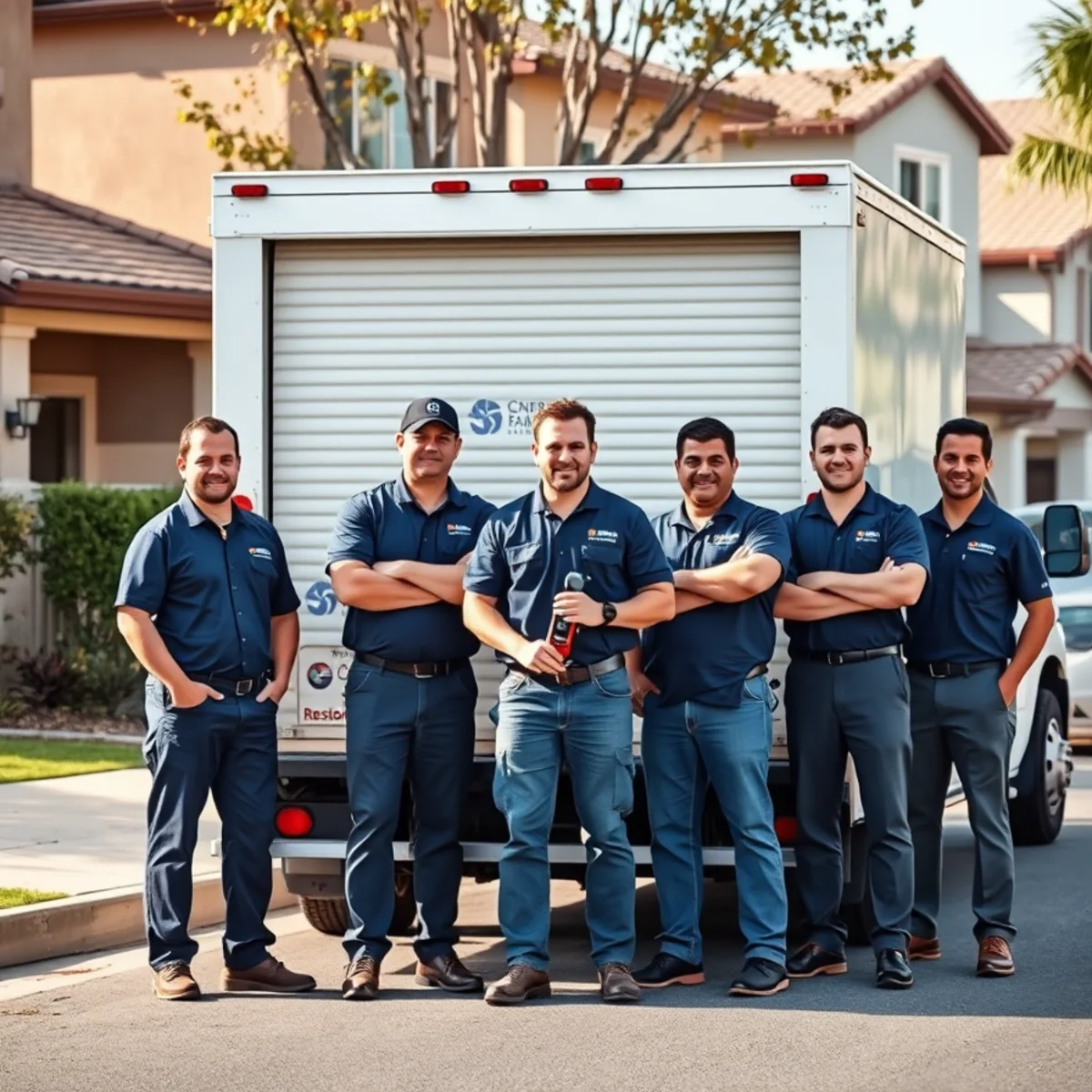
Locally Based, Not Franchised
We are a local restoration company operating out of 15707 Rockfield Blvd in south Irvine, a few minutes from where the I-5 and I-405 come together at the El Toro Y. From there, every part of Irvine is a short run — and at 2 a.m. the freeways are empty.
That geography is the reason a 60-minute commitment is realistic here and not for a franchise dispatching from Anaheim or Riverside County. And it is why we know which Woodbridge build phase is failing, why Turtle Rock walls go damp without a plumbing leak, and what a Northwood roof looks like after a Santa Ana.
Where We Work
Full 60-minute commitment across Irvine and the neighbouring cities. Honest arrival windows everywhere else — we would rather tell you a number we can hold.
Irvine Neighborhoods
Cities We Serve
about 12 minutes
Historic Old Town Tustin (1870s citrus hub) plus Tustin Legacy on the former MCAS Tustin base — two housing markets a century apart in the same city.
about 18 minutes
County seat with dense pre-1950 downtown stock and Santa Ana River floodplain exposure; high rental density means most losses are landlord-managed.
about 8 minutes
1960s–80s atrium-style homes around the original lakes plus newer Foothill Ranch and Portola Hills tracts — aging copper meeting first-generation builder plumbing.
about 18 minutes
Salt-air corrosion on plumbing and fittings, waterfront homes on Balboa Island and the peninsula, and Fashion Island commercial requiring white-glove work.
about 20 minutes
1950s–60s Eastside and Westside bungalows on raised foundations alongside South Coast Metro's dense commercial and restaurant base.
about 15 minutes
One of the nation's largest master-planned communities, built 1960s–80s around Lake Mission Viejo; original copper is now at end of life across whole tracts.
about 18 minutes
1990s–2000s master-planned community on former ranch land, dense with attached condos and townhomes where one failure affects several units.
about 14 minutes
1960s–70s hillside tracts with slope-drainage exposure plus Nellie Gail Ranch equestrian estates on large irrigated lots.
about 30 minutes
OC's largest city: pre-war Anaheim Colony historic homes, post-war tracts, Disneyland-area hospitality, and Anaheim Hills canyon terrain.
What Customers Say
We work in these neighborhoods every week. Ask us for references on your specific street — we will give them to you.
Read verified customer reviews on our Google Business Profile.
“Our water heater went at 4 a.m. and the garage was under an inch of water. A real person answered, told me exactly which valve to close, and a crew was here before 5. They stopped it reaching the hallway.”
“We had a warm patch on the kitchen floor for weeks and assumed it was nothing. They found the slab leak in about twenty minutes without opening a single tile, and the report went straight to our adjuster.”
“Another company told us the whole plaster ceiling had to come out. These guys dried it in place over six days and the room looks exactly like it did. On a 1912 house that matters.”
Testimonials shown are illustrative placeholders pending verified customer reviews and are not marked up as structured review data. More about our reviews
From Our Field Notes
Prevention & Maintenance · 5 min read
Most storm intrusion we respond to has nothing wrong with the building. It is about where water goes once it lands.
Read article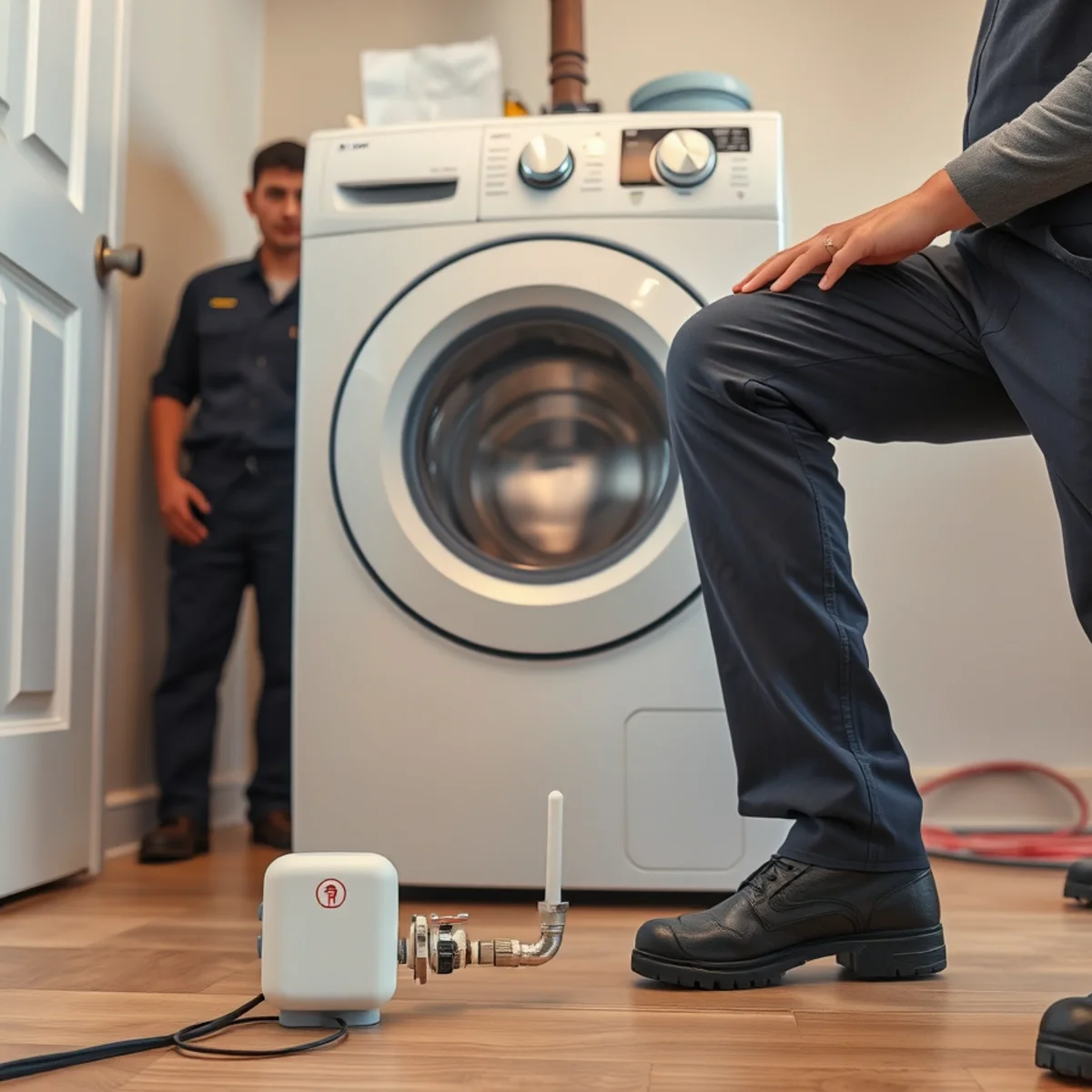
Prevention & Maintenance · 5 min read
Nearly every catastrophic loss we respond to was a small failure that ran unnoticed for hours or days. That is exactly the problem these solve.
Read article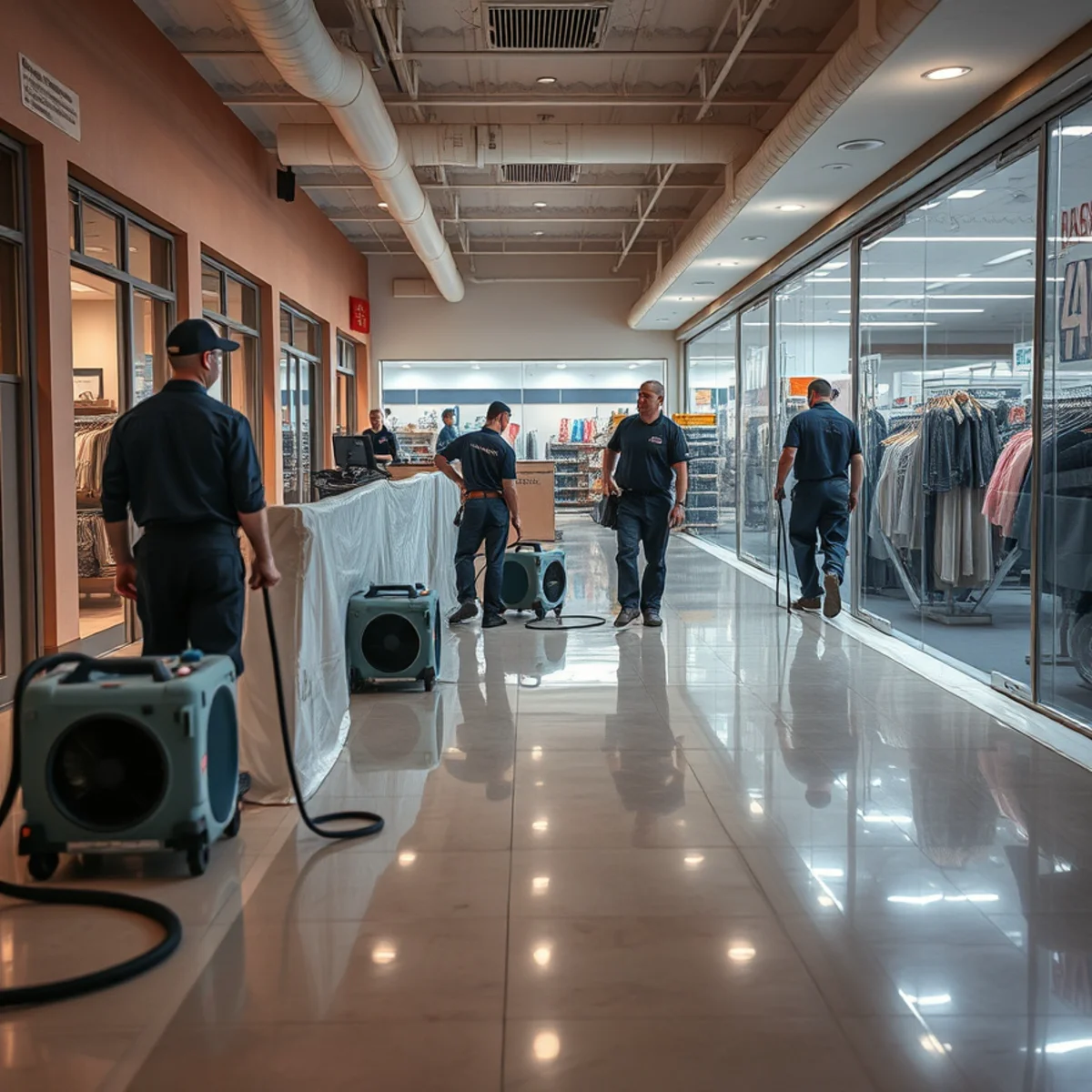
Commercial & Property Managers · 6 min read
For a retail tenant the damage is rarely the biggest cost. The closed days are. Here is how to minimize them.
Read articleFind Us
Our base at 15707 Rockfield Blvd, Irvine, CA 92618 is what makes a 60-minute commitment across Irvine realistic. 24/7 emergency dispatch — a live person answers, not a service.
Visit or Dispatch From
Water Damage Restoration Irvine
15707 Rockfield Blvd
Irvine, CA 92618
24 hours a day, 7 days a week
Tell us what happened. We respond within minutes, 24/7.
Common Questions
If you have a question we did not answer here, call (201) 277-9344. A live person will answer, day or night.
We commit to being on site within 60 minutes anywhere in Irvine, 24 hours a day. Our crews and equipment are based off Rockfield Boulevard in south Irvine, minutes from the I-5 and I-405 interchange, so we are not dispatching from Los Angeles or the Inland Empire and hoping traffic cooperates.
Yes, and a person answers — not a voicemail box or a national call center. Overnight is when most of our emergency calls come in. The dispatcher gives you an arrival window on that first call and stays on the line while you find your shut-off if you need help. Call (201) 277-9344.
Mitigation — extraction and drying — typically runs about $3.00 to $7.50 per affected square foot depending on water category. Repair and rebuild runs roughly $20 to $37 per square foot for finished space in this market. Most single-room clean-water losses land in the low four figures; multi-room losses requiring rebuild go well into five figures. You get a written line-item scope after the on-site assessment and before any demolition.
Usually, if the damage was sudden and accidental — a burst supply line, a failed water heater, an appliance hose. Gradual damage from a leak that ran for months is where carriers push back, which is why reporting quickly matters. We document everything, write the scope in the format adjusters expect, speak with your adjuster directly, and bill the carrier for covered work.
Shut off the main water valve. Cut power to the wet area only if you can do it from a dry position. Move electronics, documents and small valuables off the floor. Photograph and video everything before you touch it. Keep children and pets off wet floors. And leave household fans off — without a dehumidifier they spread moisture rather than removing it.
It is a leak in the water lines running through or under your concrete foundation, and it is Irvine's most common hidden loss. The warning signs are indirect: a warm patch of floor with no appliance or sunlight to explain it, a water bill that jumped with no change in usage, the sound of running water with every fixture off, or damp flooring in a room that has no plumbing in it. Homes built before about 1990 are the higher-risk group, because copper under slab, hard Orange County water and alkaline soil combine to produce pinhole corrosion.
Two to four days for most residential losses, five to seven if a concrete slab is involved. We read moisture at the same marked points daily and the equipment does not come out until those materials reach dry standard — not when they stop feeling wet. You get the full reading log at the end.
Water removal is the physical extraction of standing water — the part you can see. Drying is pulling the moisture that is left out of the materials and the air, using air movers and industrial dehumidifiers, and it is what actually prevents mould. Restoration is the repair and rebuild afterward: drywall, texture, paint, base, flooring and cabinetry. We handle all three under one scope, which is the difference between one contract and three.
Not for the whole job, but we do need access to the property. Most families stay in the house while drying runs, in rooms outside containment. We recommend you are there for the initial assessment if you can be — that is when scope decisions get made and when it helps to have you point out what matters to you. After that we can work with you, a property manager, a neighbour or a lockbox, and we send photo updates either way.
Yes, and in Irvine that is most jobs. We handle HOA approval for equipment placement in common areas, dumpster and staging locations, access windows, and the certificates of insurance management companies require before anyone starts work. We also produce separate scope documentation per unit when a loss crosses unit lines.
Both, and that is deliberate. Most companies stop at drying and hand you off to a general contractor, which means two contracts, two schedules and two scopes for your adjuster to reconcile. We carry the job from the first extraction through the final coat of paint under one scope and one point of contact.
24/7 live dispatch · On site in 60 minutes, anywhere in Irvine