Problem Solving · 5 min read
Stormwater Got Inside: What's Salvageable After a Flood and What Isn't
Hard and non-porous cleans. Porous and absorbent goes. The hard part is the things in between — and the things you do not want to lose.
Short answer
Hard, non-porous items clean and stay: sealed concrete, tile, glass, metal, solid wood furniture, most hard plastics. Porous items that absorbed floodwater go without exception — carpet pad, mattresses, upholstered furniture, particleboard, wetted insulation and drywall below the wick line. Stormwater is Category 3 by definition, so the standard is verifiability, not appearance.
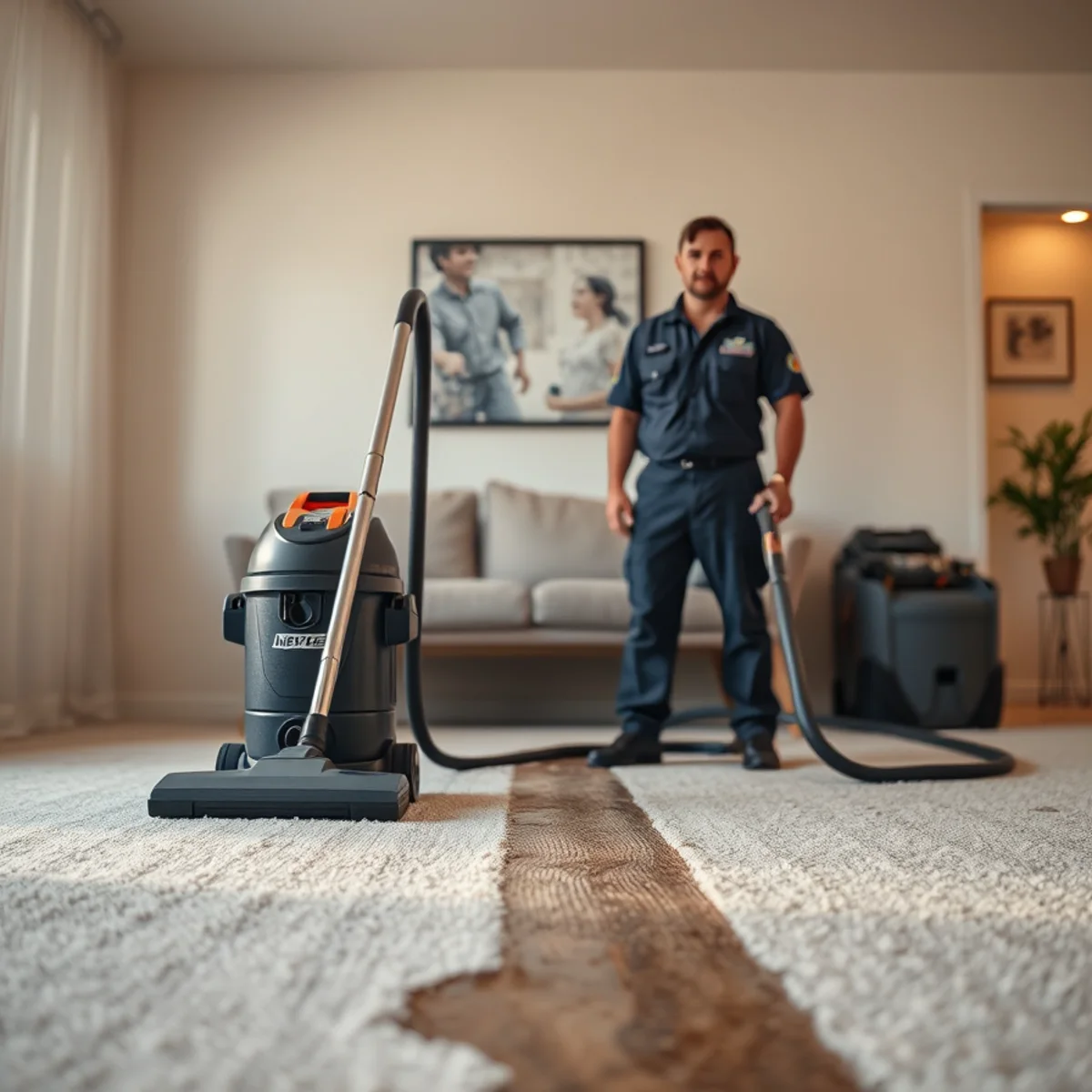
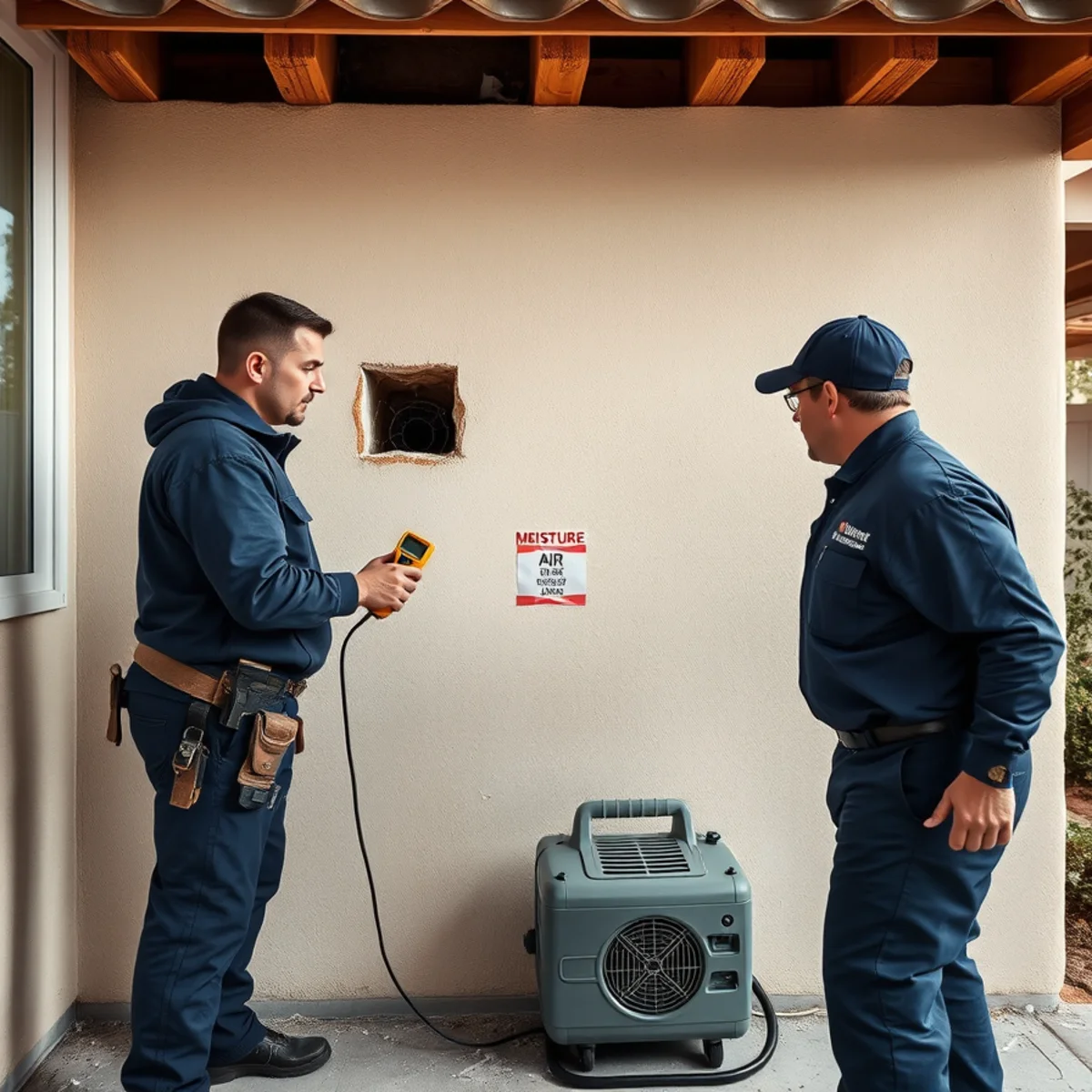
Water that entered your home from outside picked up landscape chemicals, driveway oil, animal waste and street debris on the way in. Under the IICRC S500 standard that makes it Category 3 regardless of how clear it looks.
That single classification drives every decision about what stays and what goes, and it is not negotiable based on how much you liked the couch.
What Cleans and Stays
Hard, non-porous materials that can be washed and disinfected on every surface. Tile, sealed concrete, glass, metal, hard plastics, dishware and cookware, solid wood furniture with intact finish, and most electronics if they were not submerged and are professionally evaluated first.
Jewelry, coins and hard collectibles clean readily.
Clothing and most washable textiles can usually be salvaged through professional laundering at high temperature with appropriate sanitizing — not a home washing machine cycle.
Tile, stone, sealed concrete
Clean and disinfect. Stays.
Glass, metal, hard plastic
Washable on every surface. Stays.
Solid wood furniture
Usually salvageable if the finish is intact and it dried without warping.
Clothing and washable textiles
Professional sanitizing laundry, not a home machine.
What Goes, Without Exception
Carpet pad. Always. It is an absorbent open-cell material that held contaminated water and it cannot be cleaned.
Insulation of any kind that got wet — fiberglass, cellulose, batt or blown.
Drywall to a line above the waterline, typically a clean two-foot or four-foot cut.
Particleboard and MDF anything: cabinet bases, cheaper furniture, shelving. These wick, swell and delaminate.
Mattresses, box springs, upholstered furniture, pillows and stuffed toys. Porous, absorbent, and impossible to decontaminate through their full depth.
Food, including anything in a container that was submerged, and anything porous stored on a floor — cardboard boxes and their contents.
Standing water right now? Call us before you do anything else.
We are on site within 60 minutes anywhere in Irvine, 24 hours a day.
The In-Between Cases
Carpet itself: sometimes salvageable with professional cleaning and sanitizing if the exposure was brief, but on outdoor floodwater the usual answer is replacement.
Engineered hardwood: rarely survives Category 3 exposure, because the water reaches the core through the seams.
Books and paper: technically recoverable through freeze-drying, which is a specialist service and expensive. Worth it for genuinely irreplaceable documents, not for a paperback collection.
Photographs: this is the one worth fighting for. Wet photographs can often be saved if handled quickly — rinse gently in clean water, do not let them dry stuck together, and freeze them if you cannot get to them immediately. Freezing buys weeks.
Electronics that were submerged: do not power them on. Have them professionally evaluated. Some are recoverable, many are not, and switching on a wet device usually settles the question badly.
Document Before Anything Leaves
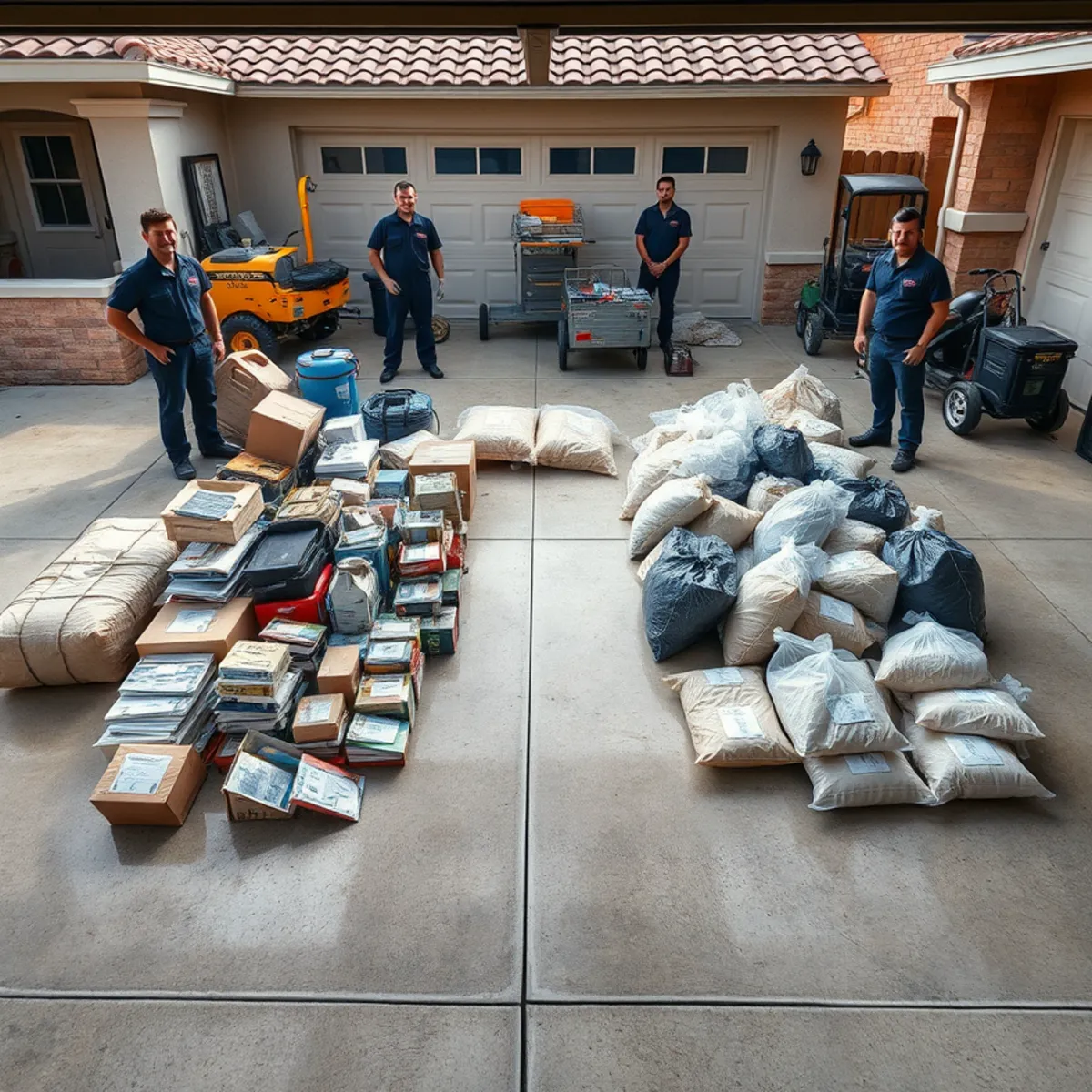
Every item you dispose of should be photographed in place, then inventoried with a description and an estimated value. This is your contents claim and it is only as good as the record.
Group similar items and photograph them together for volume, then photograph anything individually valuable.
If you have receipts, purchase records or older photos showing the item in the house, gather those. Adjusters accept indirect evidence but they need something.
A restoration company should do this inventory as part of the job. If you are handling disposal yourself, do the documentation first — it is the single most common reason contents claims get reduced.
Handle It Safely
Contaminated materials need to be bagged and handled under the applicable waste rules, not piled loose in a driveway where children and pets can reach them.
Wear gloves, boots and eye protection. A fitted N95 or better if you are moving anything that has begun to grow.
Do not run the HVAC while contaminated material is being handled indoors — it will distribute contamination to every room in the house.
And keep the affected area isolated from the rest of the home until cleaning and disinfection are complete.
From the field
The in-between cases, and how we actually decide
The clear cases are easy. What people struggle with is the middle: solid hardwood flooring, sentimental textiles, books and documents, and semi-porous furniture. The decision rule we use is whether the material can be cleaned to a state we can verify — meaning contamination reached only surfaces we can reach, and the material can be dried to standard without trapping anything inside it.
Solid hardwood on a subfloor sometimes passes that test with rapid extraction and mat drying; engineered plank and laminate almost never do, because their cores are compressed fibre. Textiles and soft goods can be professionally laundered or dry cleaned at temperatures that matter, and that is a real option for items worth it. Documents and photographs have a genuine specialty path — freeze-drying — and it works far better than people expect, but it has to start before mould does.
The honest tradeoff is between value and certainty. We will not tell you to bin an heirloom because the rule says porous, and we will not pretend a foam mattress that drank floodwater can be made safe. Where an item matters and the answer is borderline, the right move is usually to freeze or isolate it immediately, which stops the clock while you decide.
Photograph and inventory before anything leaves
Model numbers, purchase dates and receipts where you have them. Items removed without documentation are very hard to claim afterwards.
Wear real protection while sorting
Nitrile gloves, N95 or better, eye protection and boots. Floodwater-affected contents are Category 3, and sorting through them stirs everything up.
Frequently Asked Questions
Is floodwater dangerous even if it looks clean?
Yes. Water that traveled across landscaping, driveways and streets carries fertilizer, pesticide residue, petroleum products, animal waste and bacteria. IICRC classifies it as Category 3 regardless of appearance, and that classification determines what has to be removed.
Can I save wet photographs?
Often, if you act fast. Rinse gently in clean water, do not let prints dry stuck together, and freeze them if you cannot deal with them within a day or two. Freezing halts deterioration and buys you weeks. Professional photo recovery services exist and are worth it for genuinely irreplaceable images.
Do I have to throw away my furniture?
Upholstered furniture, mattresses and anything with a particleboard or MDF structure that contacted floodwater: yes. Solid wood furniture with an intact finish that dried without warping is usually salvageable after cleaning and disinfection. Photograph everything before disposal for your contents claim.
Need help with this in Irvine?
We handle this work every week across Irvine and Orange County. A live dispatcher answers 24/7, gives you an arrival window, and tells you what to do while you wait. Free on-site assessment and written scope before any demolition.
Related services