
Restoration Service
Fire Damage Restoration in Irvine, CA
Board-up, soot and smoke removal, odor elimination — plus the water damage the fire department left behind.
- On site in 60 minutes, anywhere in Irvine
- IICRC-Certified Crews
- We bill your insurer directly for covered work
Almost every fire loss is also a water loss. Suppression puts hundreds or thousands of gallons into a structure in minutes, and that water is now sitting in a building full of soot, ash and combustion residue — which makes it Category 3 within hours.
That combination is why fire restoration has to be sequenced correctly. Extract and dry immediately, because a wet fire scene grows mold on top of the soot damage. But clean and neutralize the residue before running air aggressively, or you distribute soot through the whole building.
We handle both sides: emergency board-up and roof tarping to secure the property, water extraction and structural drying, soot and smoke residue removal, odor elimination at the source, contents cleaning, and the reconstruction that follows.
Request Fire Damage
Tell us what happened. We respond within minutes, 24/7.
Know the Signs
Understanding Fire, Smoke and Soot Damage
Different fires leave different residues, and the residue type dictates the cleaning method. Using the wrong one sets the damage permanently.
Dry smoke residue
From fast, high-temperature fires burning paper and wood. Powdery and relatively easy to remove, but it works into porous surfaces and cracks.
Wet smoke residue
From slow, smoldering, low-heat fires burning plastics and synthetics. Sticky, dense and strongly odorous. Smears if wiped incorrectly, and it is the hardest residue to remove.
Protein residue
From kitchen fires involving food. Nearly invisible, discolors paints and varnishes, and carries an intense odor that persists long after surfaces look clean.
Fuel oil soot
From a furnace puff-back. Distributes an oily black residue through the entire HVAC system and every room it serves.
Water and suppression damage
Frequently the largest single component of the loss. Contaminated by ash and combustion byproducts, so it is Category 3 by default.
Corrosion on metals and electronics
Soot is acidic. Left in place it etches glass, pits chrome and corrodes electrical contacts within days. Speed matters here specifically.
Odor absorbed into porous materials
Drywall, insulation, carpet, upholstery and framing hold smoke odor. Removing the odor means addressing the material, not spraying the air.
Our Process
Fire and Smoke Restoration, Step by Step
Order matters more here than in almost any other restoration. Doing the right steps in the wrong sequence causes permanent damage.
- 1
Hour 1
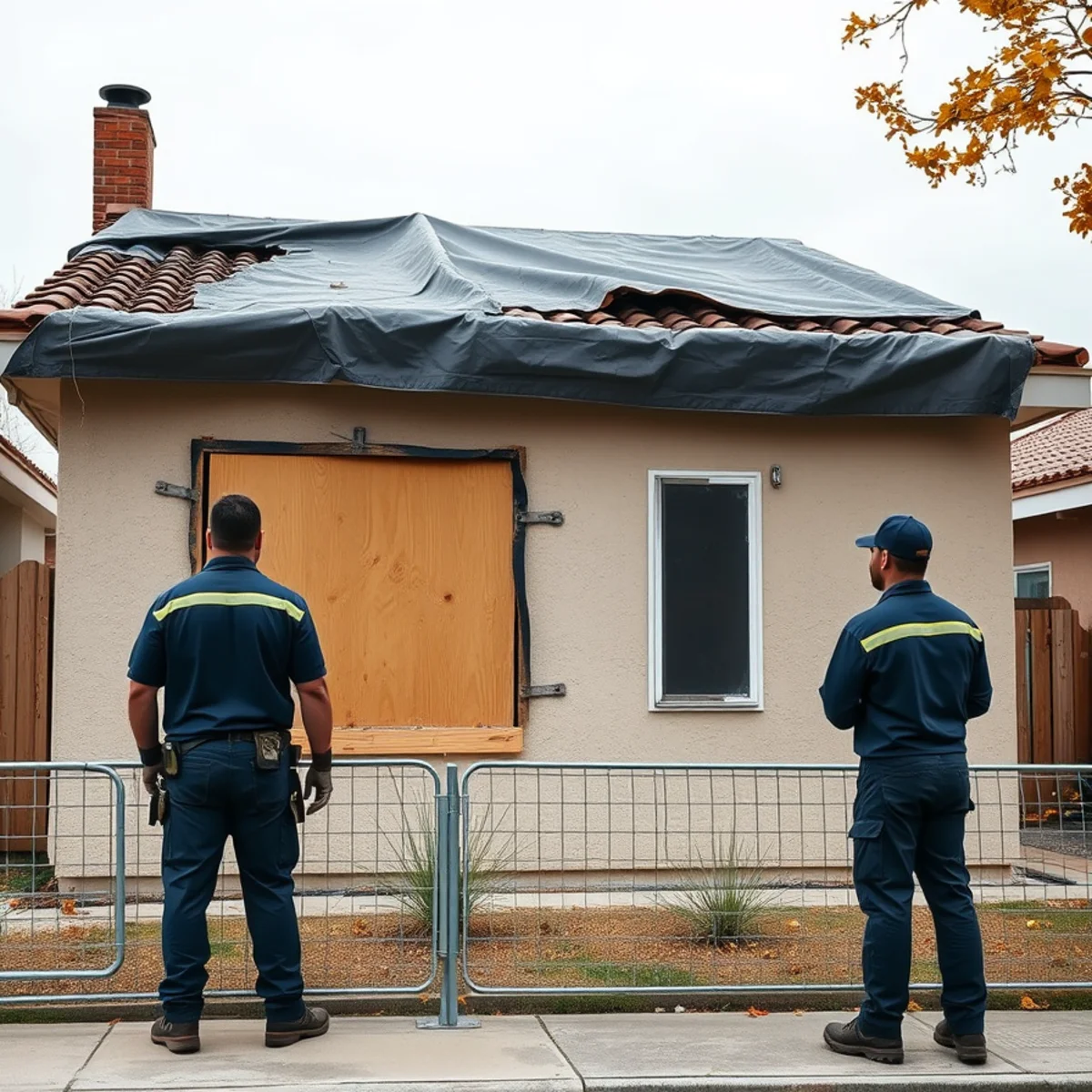
Secure the structure
Emergency board-up of openings, roof tarping where suppression or the fire itself breached it, and temporary fencing if required. This protects against weather and against liability while the property is unoccupied.
- 2
Day 1
Assess and pre-test
We test cleaning methods on inconspicuous areas of each material before touching visible surfaces. Wet smoke on a painted wall and dry smoke on the same wall need opposite techniques.
- 3
Days 1–2
Water extraction and drying
Suppression water comes out first and drying starts immediately. Fire-scene water is treated as Category 3 because of ash and combustion contamination. This has to run in parallel with soot work, not after it.
- 4
Days 2–5
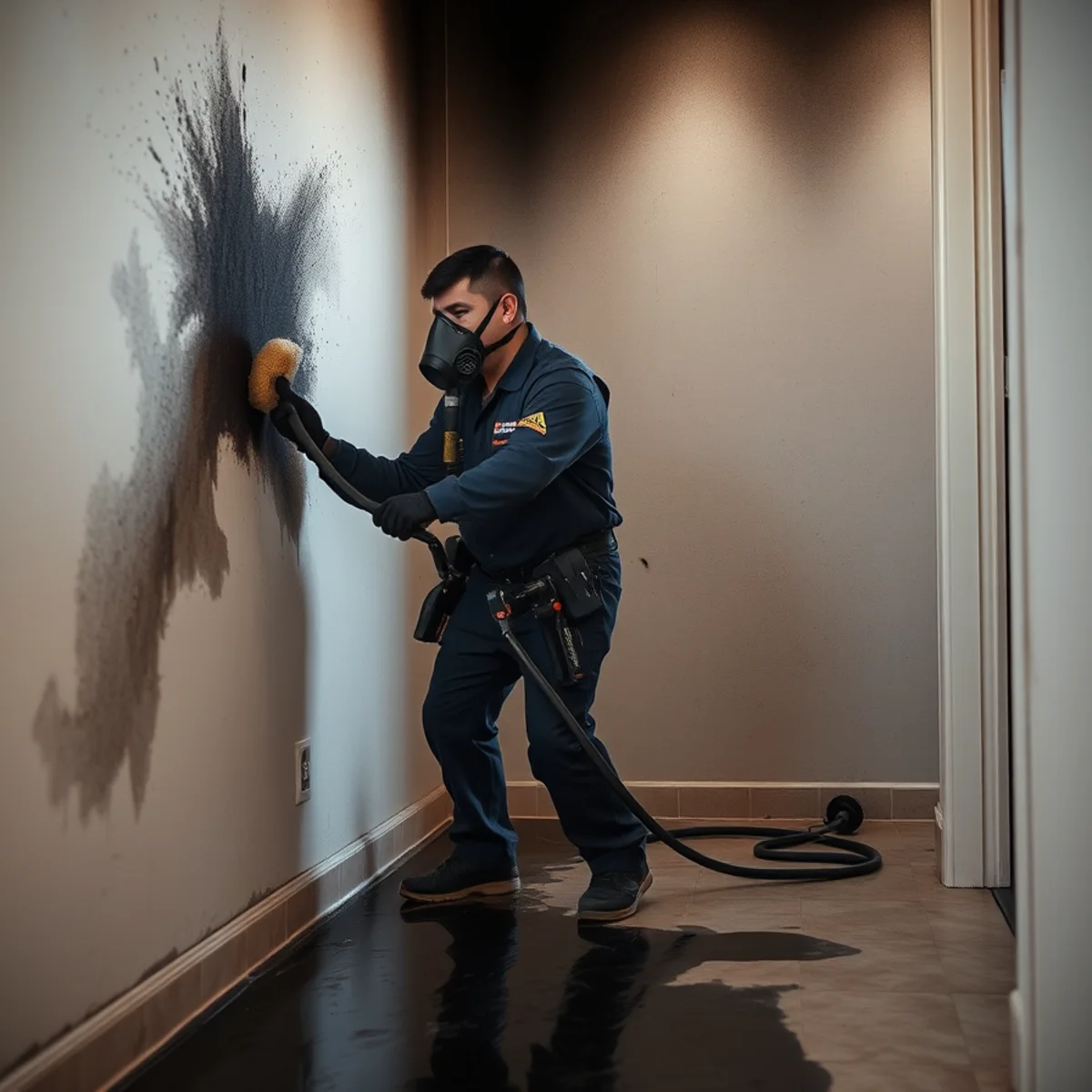
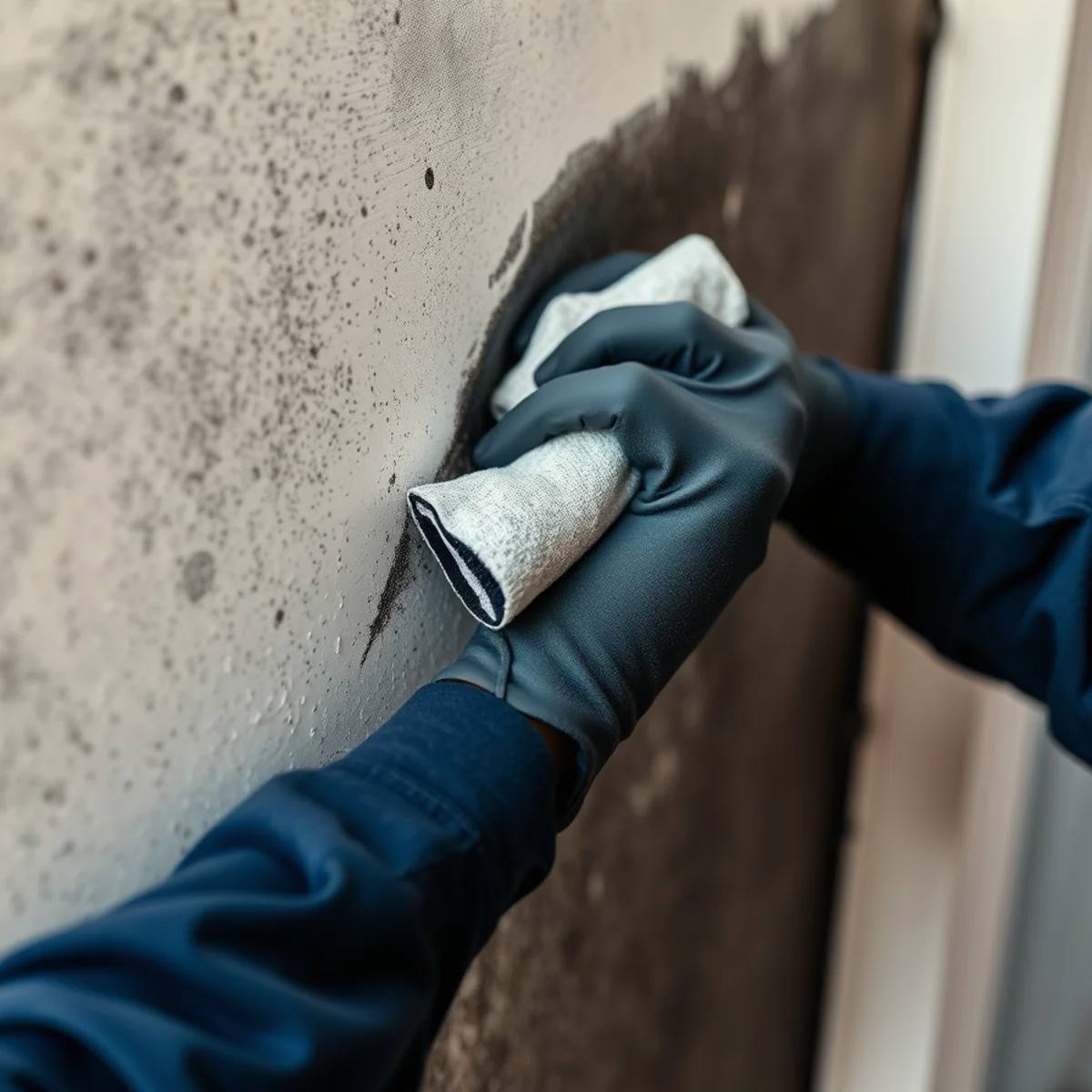
Soot and residue removal
HEPA vacuuming first — never wiping first, which drives residue into the surface. Then dry chemical sponges for dry smoke, appropriate solvents for wet smoke and protein residue. Ceilings down, then walls, then floors.
- 5
Days 3–7
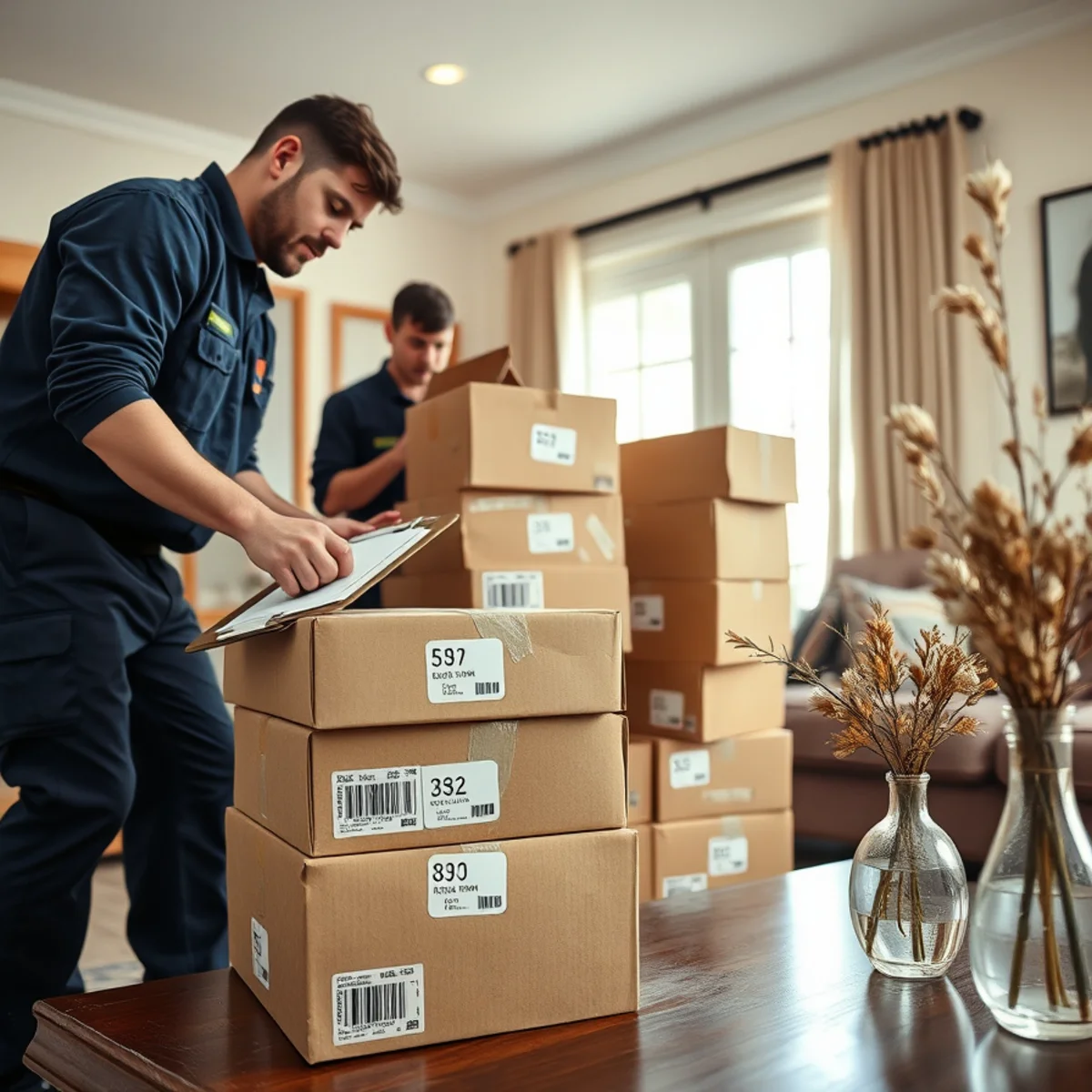
Contents cleaning
Salvageable contents are inventoried, packed out and cleaned off site with ultrasonic and ozone treatment as appropriate. Non-salvageable items are photographed and inventoried for your contents claim.
- 6
Days 5–10
Odor elimination at the source
Remove what holds the odor — contaminated insulation, drywall, carpet and pad. Seal remaining framing with a shellac-based sealer. Then hydroxyl or ozone treatment as a finishing step. Never as a substitute for removal.
- 7
Weeks 2+
Reconstruction
Framing repair, insulation, drywall, texture, paint, flooring, cabinetry and finishes. One company through the whole sequence.
On the Job
Fire Damage in action
What this work actually looks like in an Irvine property.
Why Speed Matters More After a Fire Than After a Flood
Water damage gets worse over days. Fire damage gets worse over hours, and it does so through a mechanism most homeowners do not expect: soot is acidic, and it begins etching and corroding on contact.
Within the first day, soot discolors and begins to permanently stain porous surfaces, and it starts corroding metals. Within a few days, chrome and brass pit, glass etches permanently, electrical contacts corrode and electronics that survived the fire fail from residue rather than from heat. Within a couple of weeks, painted walls, grout, marble and unfinished wood may be permanently discolored — and what was a cleaning job becomes a replacement job.
Add the suppression water sitting underneath all of it, and you have mold starting inside 24 to 48 hours on top of the fire damage. This is why fire restoration is one of the few situations where we will push hard on the phone for same-day access, even when the structure has been red-tagged and you cannot yet re-enter.
Standing water right now? Call us before you do anything else.
We are on site within 60 minutes anywhere in Irvine, 24 hours a day.
Smoke Odor: What Actually Works
Smoke odor is the complaint that outlasts every other part of a fire restoration, and it is where most of the industry's shortcuts happen.
Odor molecules embed in porous material — drywall paper, insulation, carpet backing, upholstery, unfinished framing. Any approach that treats the air rather than the material provides temporary relief and then the smell returns, usually on the first warm humid day when the material off-gasses.
The sequence that works is unglamorous: remove the porous materials that hold odor, clean every remaining surface including inside cabinets and behind appliances, replace HVAC filters and clean or replace ductwork, seal remaining framing with a shellac-based sealer, and only then run hydroxyl generators or ozone as a finishing step on residual airborne odor. Thermal fogging can help penetrate the same paths smoke traveled.
If a contractor proposes to solve your smoke odor by ozoning the house without removing contaminated material first, they are masking it. It will come back.
Remove the source material
Contaminated insulation, drywall, carpet and pad. Non-negotiable first step.
Clean every surface
Including inside cabinets, behind appliances, in closets and above ceiling lines.
Address the HVAC system
Filters replaced, ducts cleaned or replaced. Otherwise the system redistributes odor indefinitely.
Seal remaining framing
Shellac-based primer locks in odor from wood that cannot be removed.
Then treat the air
Hydroxyl or ozone as a finishing step on residual odor, never as the primary method.
What You Get
What fire damage includes
No vague scopes. This is what is actually on the invoice and what you receive at the end of the job.
The structure secured the same day
Emergency board-up of openings, roof tarping where the fire or suppression breached it, and temporary fencing if required, to protect against weather and liability while the property is empty.
Cleaning methods pre-tested on every material
Dry smoke and wet smoke need opposite techniques, and using the wrong one sets the damage permanently. We test on inconspicuous areas before touching visible surfaces.
Suppression water extracted and dried in parallel
Fire-scene water is Category 3 because of ash and combustion contamination, and it starts the mould clock at 24 to 48 hours. This runs alongside soot work, not after it.
Soot removed in the right sequence
HEPA vacuuming first, never wiping first, which drives residue into the surface. Then dry chemical sponges or appropriate solvents, ceilings down, then walls, then floors.
Contents inventoried, packed out and cleaned
Salvageable items cleaned off site with ultrasonic and appropriate textile processing. Non-salvageable items photographed and inventoried before disposal.
Odour eliminated at the source, then finished
Contaminated insulation, drywall, carpet and pad removed, HVAC addressed, remaining framing sealed with shellac-based primer, and only then hydroxyl or ozone on residual airborne odour.
Why Water Damage Irvine
Why Irvine calls us for fire damage
Plenty of companies list this service. These are the things that actually change the outcome on this particular kind of job.
Soot is acidic and the clock is hours, not days
Within a day it stains porous surfaces permanently and starts corroding metals. Within weeks a cleaning job becomes a replacement job. This is the one loss where we push hardest for same-day access.
Almost every fire loss is also a water loss
Suppression puts hundreds or thousands of gallons into the building in minutes, and it is frequently the larger component of the claim. We scope and document both.
We will not ozone your house instead of fixing it
Any approach that treats the air rather than removing the material that holds the odour gives temporary relief and the smell returns on the first warm humid day.
Nothing leaves before it is inventoried
Contents are often a large share of a fire claim. Do not let anyone remove or discard belongings before that record exists.
Honest Pricing
What Fire Damage Restoration Costs
Fire losses vary more widely than any other category. A contained kitchen fire with smoke through part of a house is a different order of magnitude from a structural fire requiring framing replacement. The components are: emergency board-up and securing, water extraction and drying from suppression, soot and residue cleaning, contents cleaning or replacement, odor elimination, and reconstruction.
In most fire claims the reconstruction dominates, and contents frequently surprise people — the cleaning or replacement of household belongings is often a large fraction of the total. Careful inventory documentation is what gets that portion paid.
Fire size and structural involvement
Surface smoke damage versus framing that has to be replaced is the biggest single fork.
Residue type
Wet smoke and protein residue are dramatically more labor-intensive to clean than dry smoke.
Smoke travel
Smoke moves through an entire house via the HVAC system and open framing. Affected area routinely far exceeds burned area.
Suppression water volume
A full mitigation and drying scope layered on top of the fire scope, treated as Category 3.
Contents volume and value
Pack-out, off-site cleaning, storage and inventory. Frequently a large share of the claim.
Odor remediation depth
How much porous material has to be removed to eliminate odor at the source rather than mask it.
A note on estimates: Fire claims are complex and adjusters often bring in specialists. Do not sign a scope you do not understand, and do not let anyone dispose of contents before they are inventoried and photographed. We document everything before it moves.
Local Coverage
Fire Damage Restoration across Irvine and Orange County
Same crews, same equipment, same 60-minute commitment across Irvine. Pick your neighborhood or city for the local detail.
Irvine Neighborhoods
Nearby Cities
Questions
Fire Damage — Frequently Asked
How soon after a fire should restoration start?
As soon as the fire department releases the property. Soot is acidic and begins etching metals, glass and finishes within hours, and suppression water starts the mold clock at 24 to 48 hours. The difference between day-one access and week-one access is frequently the difference between cleaning a surface and replacing it.
Can smoke odor really be removed completely?
Yes, when it is done at the source. That means removing porous materials that hold odor, cleaning every surface, addressing the HVAC system, sealing remaining framing, and only then treating residual airborne odor with hydroxyl or ozone. Any approach that starts and ends with treating the air will produce temporary relief and a returning smell.
Is the water damage from firefighting covered?
Yes. Water damage from suppression efforts is a standard covered peril under homeowners policies as part of the fire loss. It is frequently the larger component of the claim, and it needs its own documented mitigation scope alongside the fire scope.
What about my belongings?
Salvageable contents are inventoried, packed out and cleaned off site — ultrasonic cleaning for hard goods, specialized textile processing for clothing and soft goods. Non-salvageable items are photographed and inventoried before disposal so your contents claim is supportable. Do not let anyone remove or discard belongings before that inventory exists.
Can I go back in and start cleaning before you arrive?
Please do not, beyond retrieving essentials with the fire department's permission. Soot is acidic and wiping it dry drives residue permanently into paint, grout and stone, turning a cleaning job into a replacement. It also aerosolises particulate you would be breathing without protection. The most useful thing you can do is photograph everything and leave it alone.
Local Proof
What customers say
Read verified customer reviews on our Google Business Profile.
“Our water heater went at 4 a.m. and the garage was under an inch of water. A real person answered, told me exactly which valve to close, and a crew was here before 5. They stopped it reaching the hallway.”
Water Heater Leak Cleanup
“We had a warm patch on the kitchen floor for weeks and assumed it was nothing. They found the slab leak in about twenty minutes without opening a single tile, and the report went straight to our adjuster.”
Slab Leak Detection
“Another company told us the whole plaster ceiling had to come out. These guys dried it in place over six days and the room looks exactly like it did. On a 1912 house that matters.”
Structural Drying
Testimonials shown are illustrative placeholders pending verified customer reviews and are not marked up as structured review data. More about our reviews
Related services
Water Damage Restoration
Extraction, structural drying, mold prevention and full rebuild — one crew, one contract, billed straight to your insurer.
Read moreStructural Drying & Dehumidification
Air movers plus industrial dehumidifiers, with daily moisture readings — equipment leaves when the material hits dry standard, not when it feels dry.
Read moreCommercial Water Damage Restoration
Offices, retail, restaurants, medical suites and warehouses — scoped around your operating hours, your tenants and your downtime.
Read more
Read next
How to Document Water Damage for an Insurance Claim (Photo & Receipt Checklist)
Your claim will be decided on evidence created in the first hours. Here is exactly what to capture before anything gets cleaned up.
Read moreCategory 1, 2, or 3? Why the Type of Floodwater Changes the Entire Cleanup
Category is the single biggest driver of both cost and timeline. And the thing most homeowners miss is that it degrades while you wait.
Read more
24/7 live dispatch
Fire Damage Restoration in Irvine, CA — 60 minutes away
Call (201) 277-9344 and a live dispatcher will give you an arrival window on that call. Free on-site assessment and written scope before any demolition.
- Free on-site assessment and written scope before any demolition
- Fully insured — general liability and workers' compensation