Cost & Insurance · 6 min read
How to Document Water Damage for an Insurance Claim (Photo & Receipt Checklist)
Your claim will be decided on evidence created in the first hours. Here is exactly what to capture before anything gets cleaned up.
Short answer
Photograph before you touch anything: wide shots of every affected room, close-ups of the source and each wet material, then a narrated walk-through video. Keep damaged items for the adjuster, save every emergency receipt, and get the moisture readings and line-item scope only a restoration company can produce. Report the loss the day you notice it.
Insurance adjusters make decisions from a file. What is in that file is almost entirely determined by what you and your restoration company capture in the first day.
This is the checklist we walk homeowners through, in order.
Photograph Before You Touch Anything
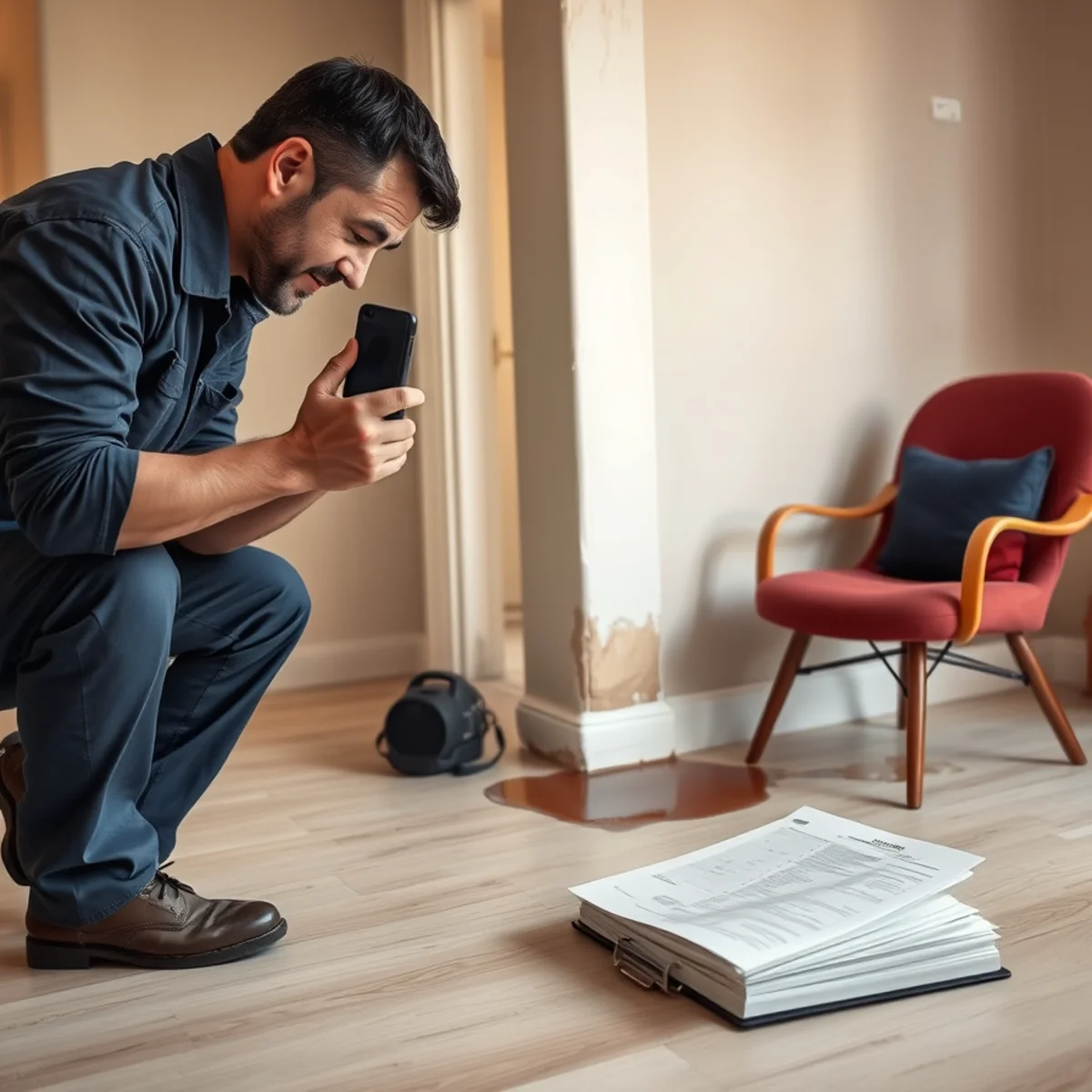
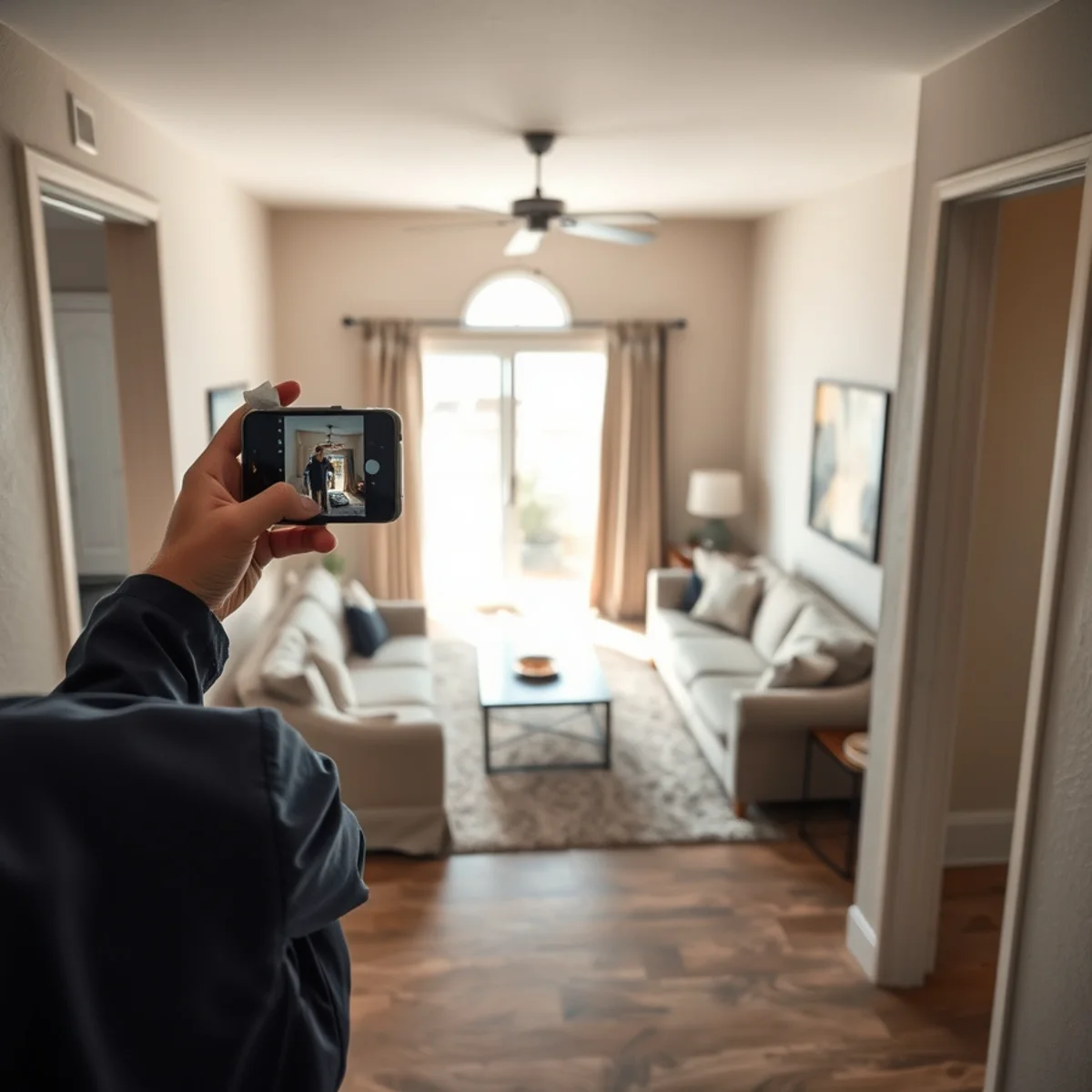
Start wide. Stand in each doorway and shoot the whole room, so there is an unambiguous record of the extent. Then work inward: the source, the standing water, each wet material, each damaged item.
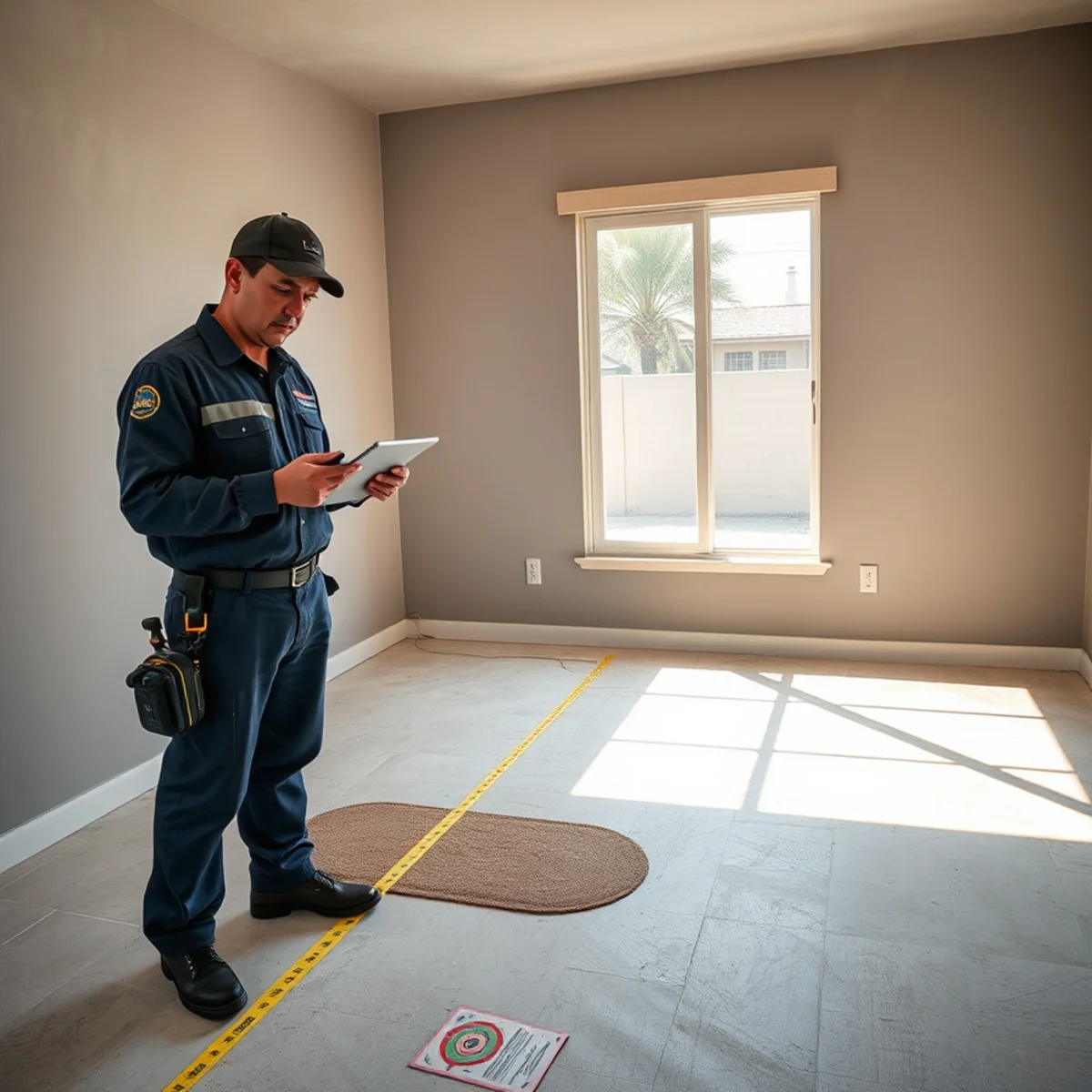
Include something for scale in close-ups — a tape measure, a ruler, a dollar bill. An adjuster looking at a photo of a stain has no idea whether it is six inches or six feet.
Then shoot video walking the whole house, narrating: what happened, when you found it, what is wet, what you have done so far. Voice narration timestamps your account in a way a still photo cannot.
Capture the Things People Forget
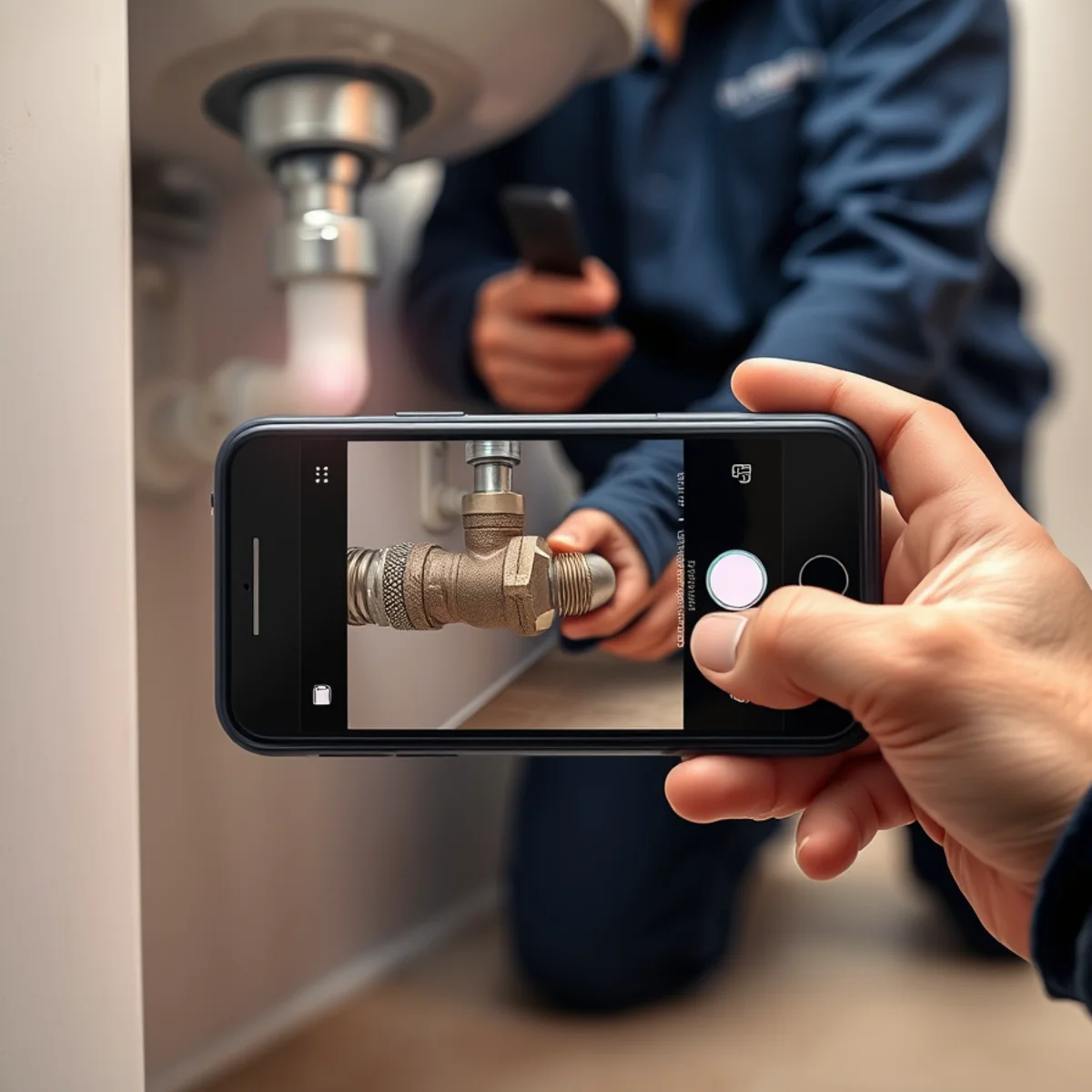
The source itself, close up, before anyone repairs it. A corroded pipe, a split water heater tank, a failed supply hose — the physical evidence of a sudden failure is what supports a sudden-loss finding.
The waterline on walls or furniture, which establishes depth.
Inside cabinets and under sinks, where water pools invisibly.
The ceiling below, if this is an upstairs loss.
The exterior, if weather was involved — before any tarping goes on. This is the single most time-critical photograph in a storm claim.
The failed component
Close-up, in place, before repair. Keep the actual part.
Waterline height
With something for scale. Determines drywall cut height and insulation involvement.
Serial and model numbers
On damaged appliances and equipment. Adjusters need them for valuation.
Exterior damage before tarping
The evidence that a storm created the opening rather than a worn roof.
Standing water right now? Call us before you do anything else.
We are on site within 60 minutes anywhere in Irvine, 24 hours a day.
Do Not Throw Anything Away Yet
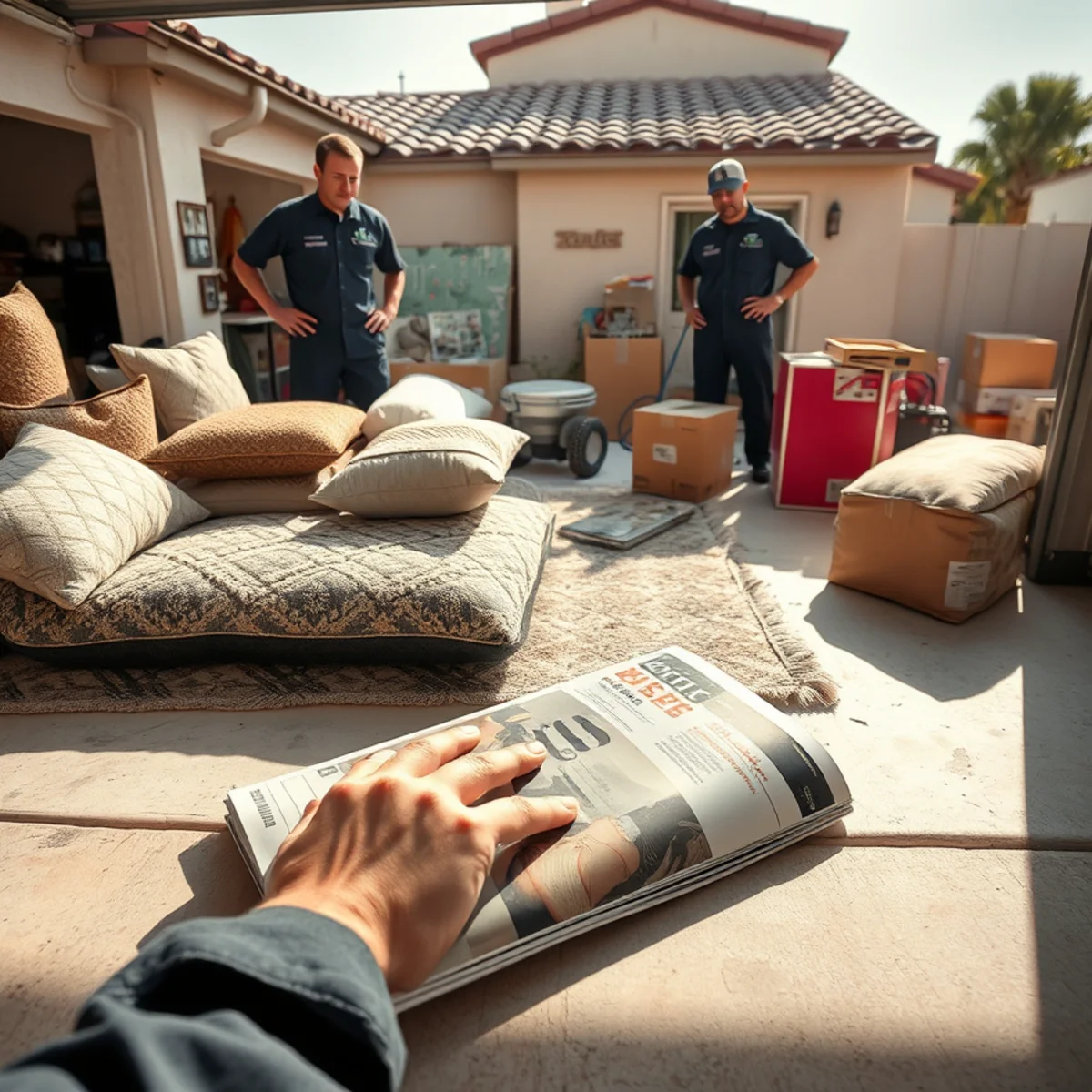
This is the most common and most expensive mistake. Hauling soaked carpet, ruined furniture and wet boxes to the curb before anyone photographed them is how contents claims get cut.
Keep the failed part — the hose, the valve, the section of pipe, the water heater. Keep damaged contents until the adjuster has seen them or your restoration company has inventoried and photographed them for you.
If something has to leave immediately for health reasons — sewage-contaminated material, for instance — make sure it is photographed and inventoried on the way out.

Keep Every Receipt
The emergency plumber. The hotel. The fans and dehumidifiers you bought at midnight before you knew better. The meals if your kitchen is out of service. The rental car if a garage flooded a vehicle.
Reasonable emergency expenses are generally reimbursable, and additional living expenses are covered where a policy includes loss of use and the home is uninhabitable. Ask your adjuster about that coverage in the first conversation, not after you have spent a week paying yourself.
Keep your electricity bills for the drying period too. Restoration equipment draws real power for several days and that increase is frequently reimbursable.
Get the Documentation Only a Restoration Company Can Produce
Daily moisture readings at mapped points, with locations, dates and values. This is what proves the structure reached dry standard, and it is what an adjuster wants before approving repairs.
A line-item scope of work in the format carriers expect, separated into mitigation and rebuild.
Photographic progression through the job — before, during, after.
Ask for all of it in writing at the end. If a company cannot produce a moisture log, they were not measuring, and you have no evidence the job was done properly.
Report Promptly and Keep Your Own Record
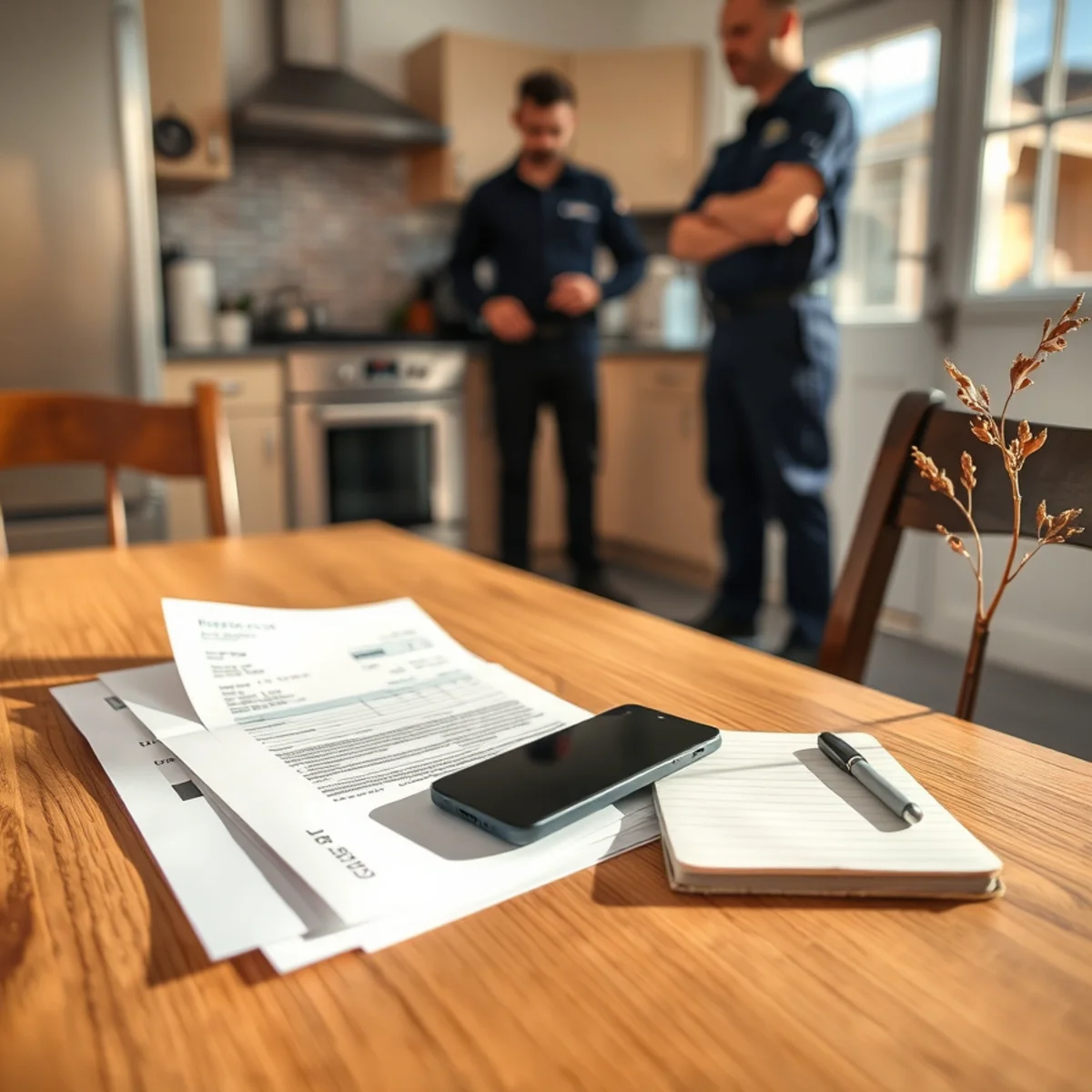
Call your carrier the same day, even before you know the scope. Note the date, time, who you spoke to and your claim number.
Keep a simple log of every conversation with the carrier, the adjuster and every contractor: date, who, what was said, what was agreed. Water claims can run for months and memory is not evidence.
Email is better than phone for anything substantive, because it creates its own record.
From the field
The documentation only a restoration company can produce
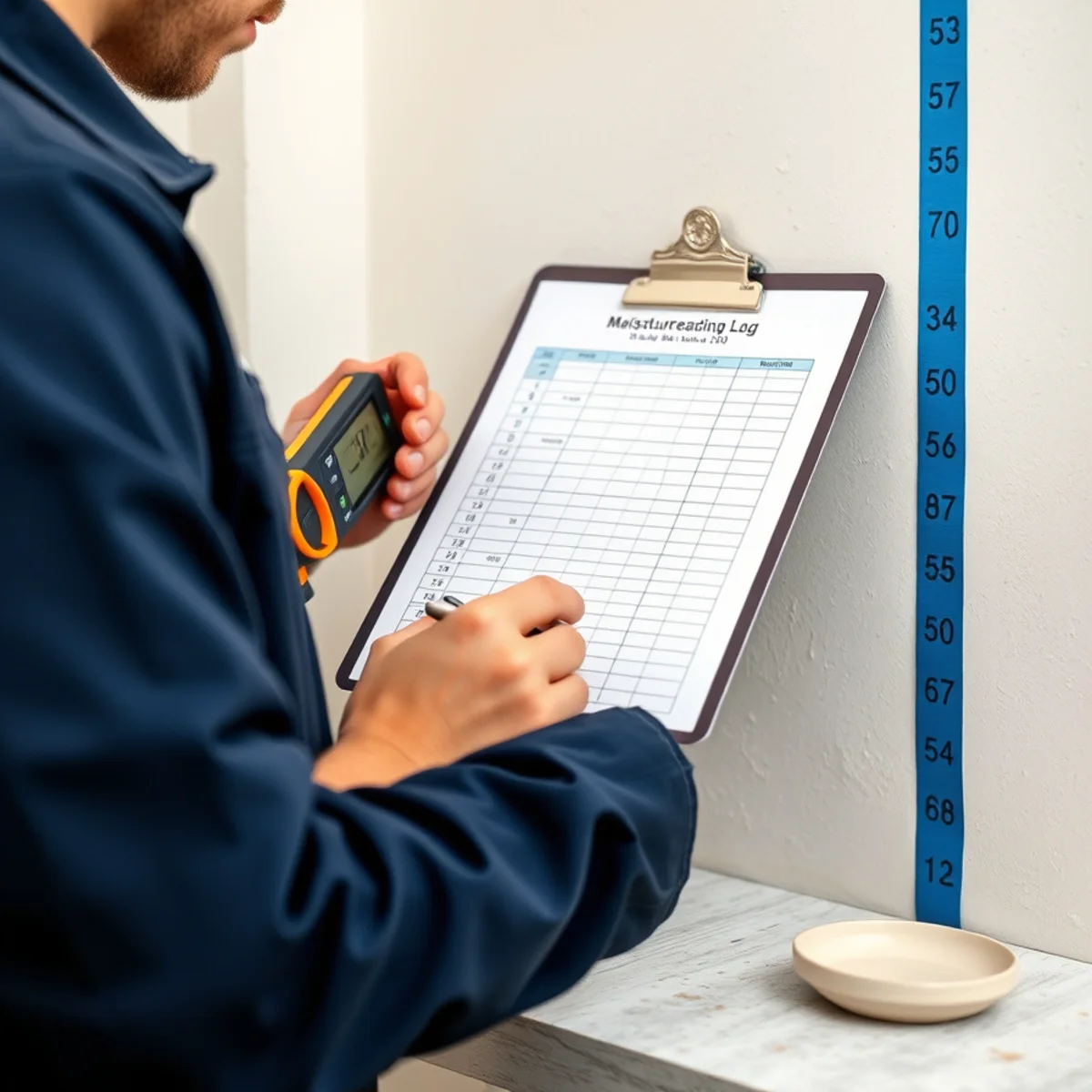
Homeowner photographs establish what the damage looked like. What they cannot establish is what the materials were doing, and that is the part adjusters weigh most heavily. A daily moisture log — readings taken at the same marked points, dated, showing materials moving toward dry standard — is the difference between 'the wall felt wet' and a measured record of a wet wall being dried to a documented endpoint.
The other piece is a line-item scope written in the format carriers use, split into mitigation and rebuild. An adjuster approving a claim is matching line items to their own estimating software. A one-page total with no breakdown is not obstruction on their part; it genuinely cannot be processed. We write scopes in that structure as a matter of course, and we speak to your adjuster directly so you are not relaying technical questions between two parties who both want detail you do not have.
The honest caveat: none of this guarantees an outcome, and any company promising you one is telling you something they cannot know. What documentation does is remove the ambiguity that carriers resolve in their own favour. Ask any restoration company for the moisture log at the end of a job — if they cannot produce one, they were guessing, and so was your claim.
Do not take anything to the kerb yet
Damaged contents are evidence until the adjuster has seen or been offered them. Photograph, bag, and store rather than discard.
Keep a dated note of every conversation
Who you spoke to, when, and what they said, including your carrier and every contractor. It costs nothing and it settles disputes about timing.
Frequently Asked Questions
How many photos are enough?
More than feels necessary. Storage is free and a photo you did not take cannot be recreated. As a floor: every affected room wide from the doorway, every wet material close up, the source, the waterline with scale, and a narrated walk-through video.
Should I clean up before the adjuster arrives?
Do the mitigation — your policy requires you to prevent further damage, and waiting makes things worse. But document thoroughly before mitigation starts, and do not dispose of damaged contents until they have been photographed and inventoried.
What if I already threw things away?
Reconstruct what you can: purchase receipts, credit card records, photos of the room from before the loss, listing photos if you bought the house recently. It is weaker than direct documentation but it is far better than nothing, and adjusters do accept it.
Need help with this in Irvine?
We handle this work every week across Irvine and Orange County. A live dispatcher answers 24/7, gives you an arrival window, and tells you what to do while you wait. Free on-site assessment and written scope before any demolition.
Related services