Problem Solving · 5 min read
Category 1, 2, or 3? Why the Type of Floodwater Changes the Entire Cleanup
Category is the single biggest driver of both cost and timeline. And the thing most homeowners miss is that it degrades while you wait.
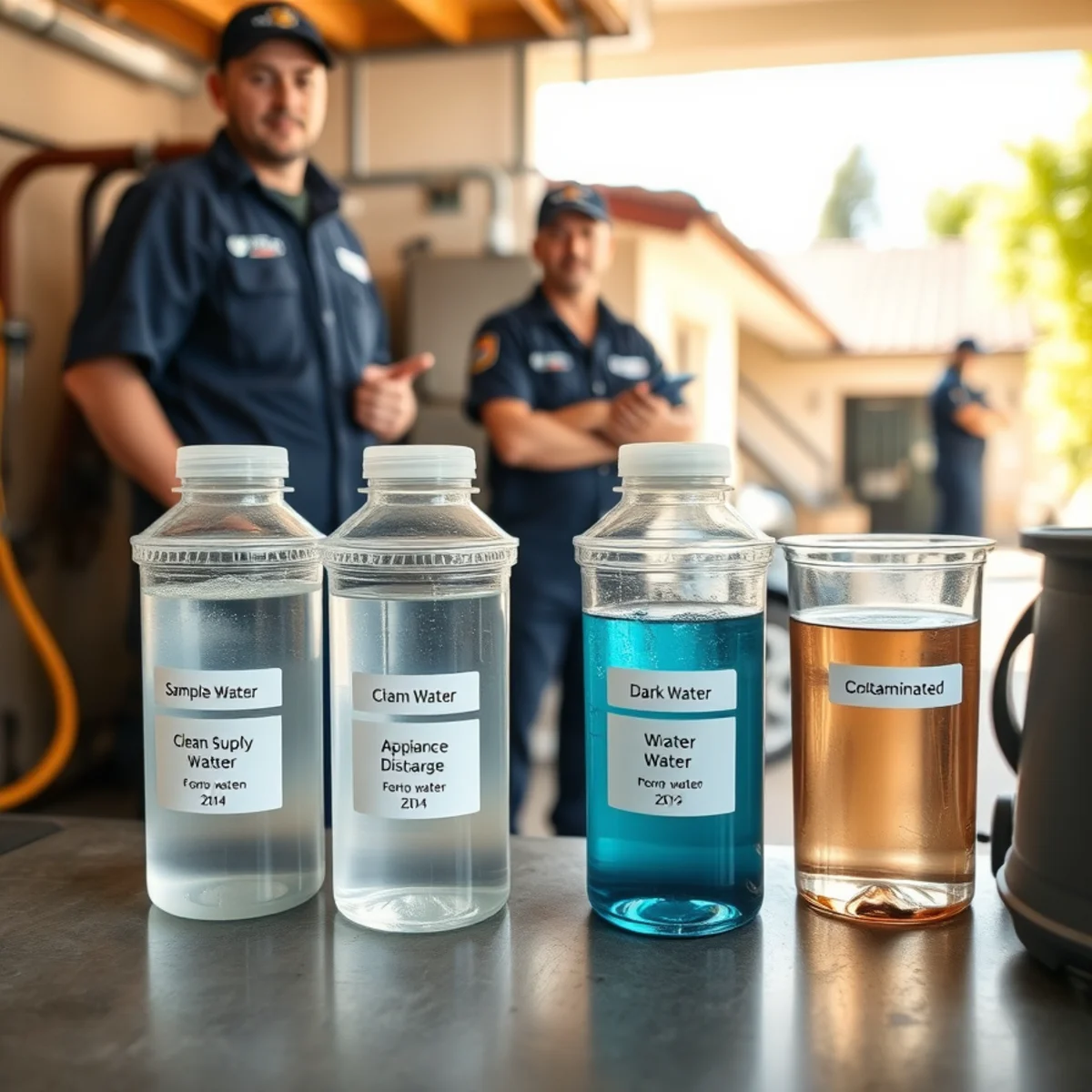
Short answer
Category 1 is clean supply water, Category 2 is gray water carrying bacteria and nutrients, Category 3 is black water carrying pathogens. The category decides everything downstream: whether porous materials are dried or removed, whether containment and PPE are required, and whether disposal is regulated. Category is set by source and by elapsed time, not by appearance.
Before anything else happens on a water loss, a technician classifies the water. That classification determines what can be dried in place, what has to be removed, what protective equipment is required, and roughly half of what you will pay.
It is worth understanding before an estimate lands in front of you.
Category 1: Clean Water
Water from a sanitary source that poses no substantial health risk. Broken supply lines, tub and sink overflows, appliance supply line failures, and rainwater before it contacts anything contaminated.
Handling: extract, dry, monitor. No special containment. Carpet and pad are typically saved with deep extraction. Drywall is usually dried in place with base removal and cavity venting.
This is the cheapest scenario and it is where you want your loss to stay.
Category 2: Gray Water
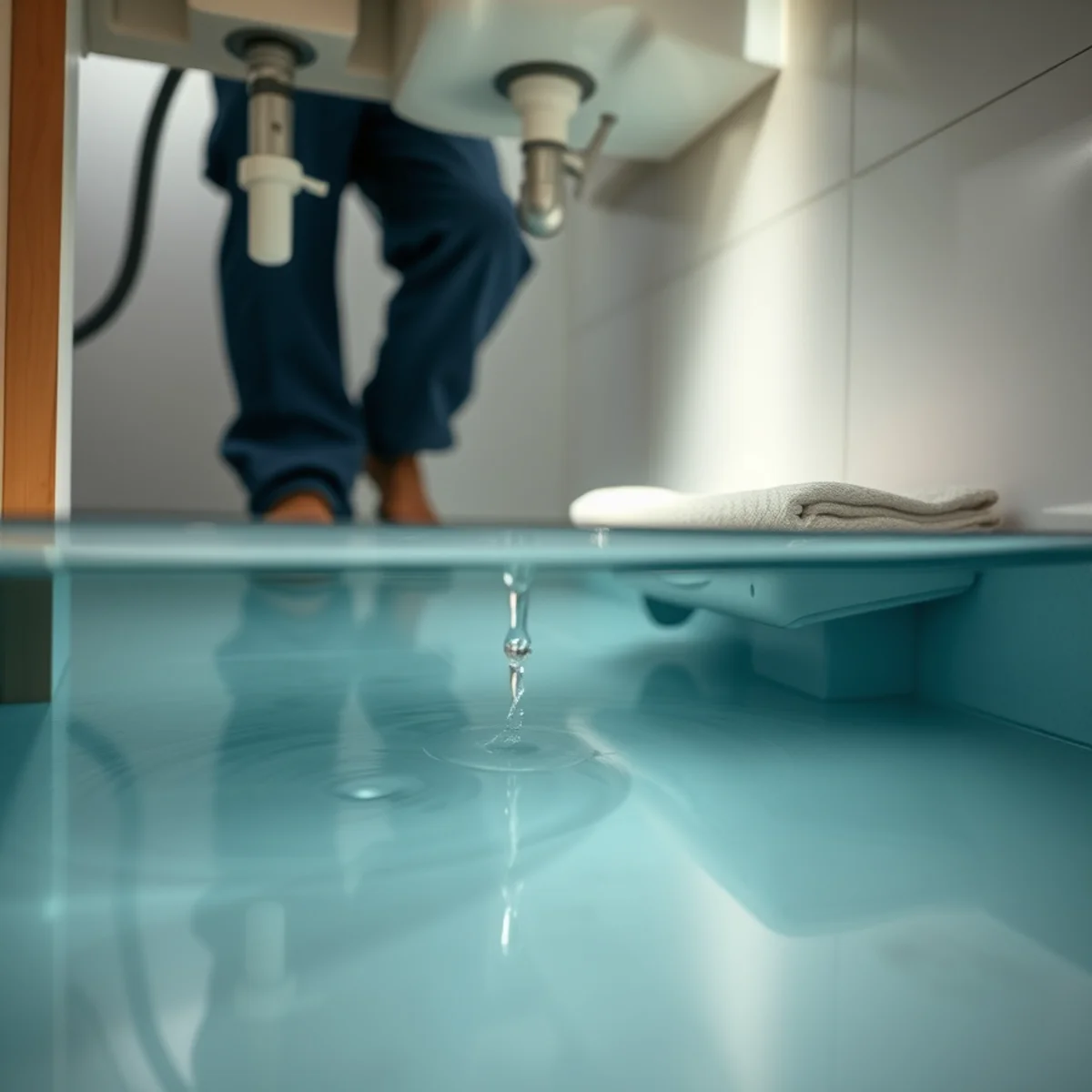
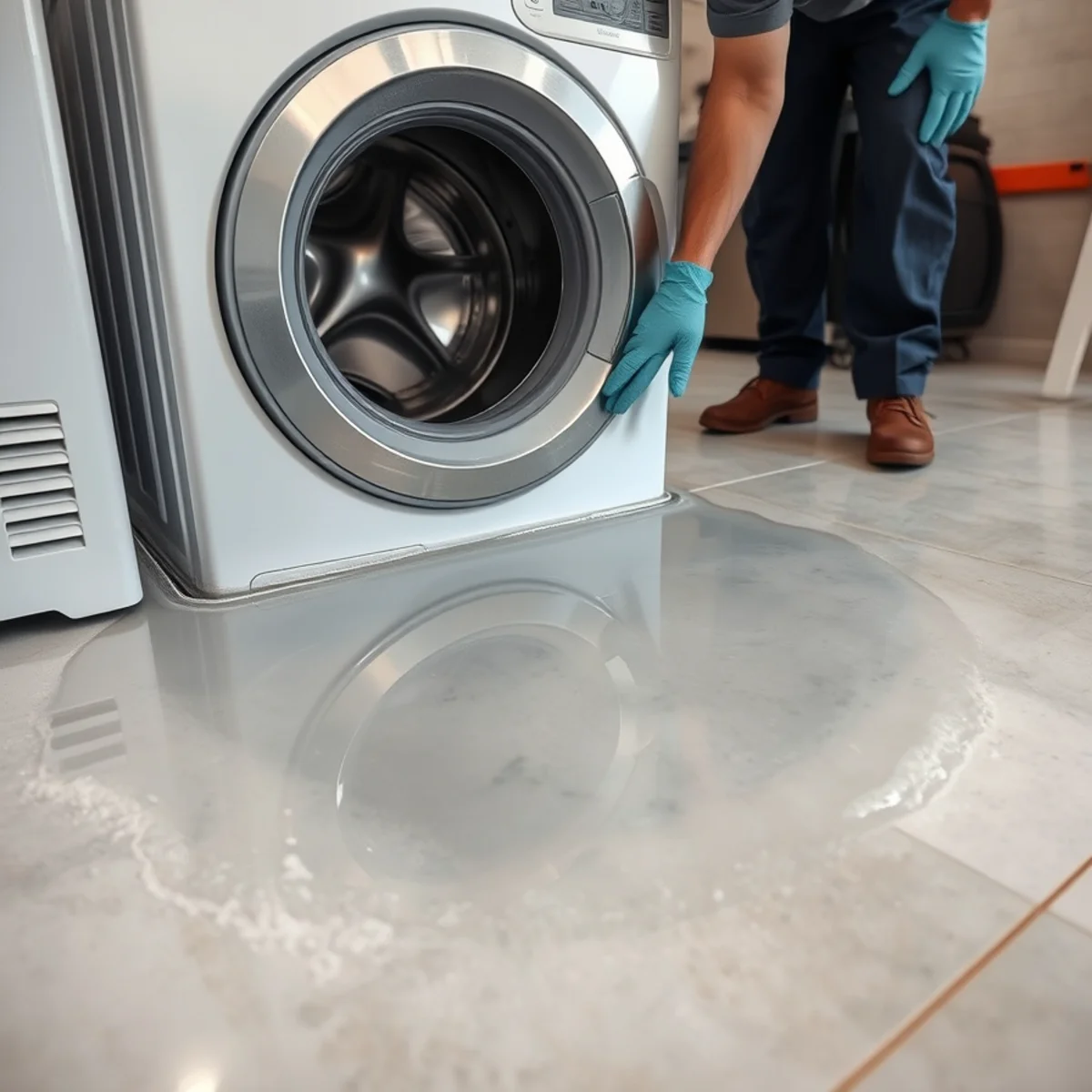
Water containing significant contamination with the potential to cause discomfort or illness. Washing machine and dishwasher discharge, toilet overflow with urine only, sump pump failures, and aquarium water.
Handling: extract, remove affected porous materials — carpet pad comes out — apply an antimicrobial, and use containment if the area is large. Drywall may be saved depending on exposure duration and height of wicking.
Roughly speaking, expect a meaningful step up in cost from Category 1 for the same footprint.
Standing water right now? Call us before you do anything else.
We are on site within 60 minutes anywhere in Irvine, 24 hours a day.
Category 3: Black Water
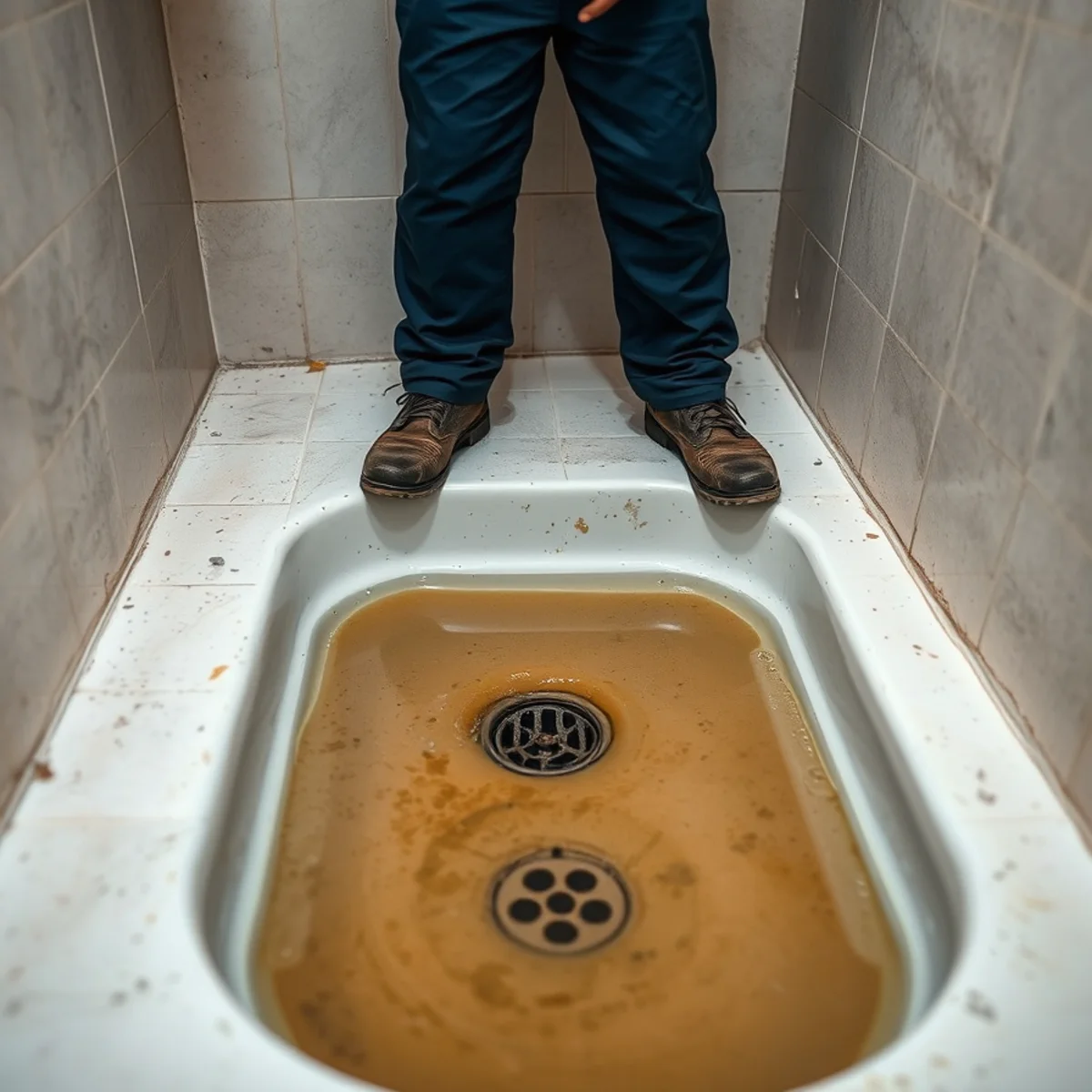
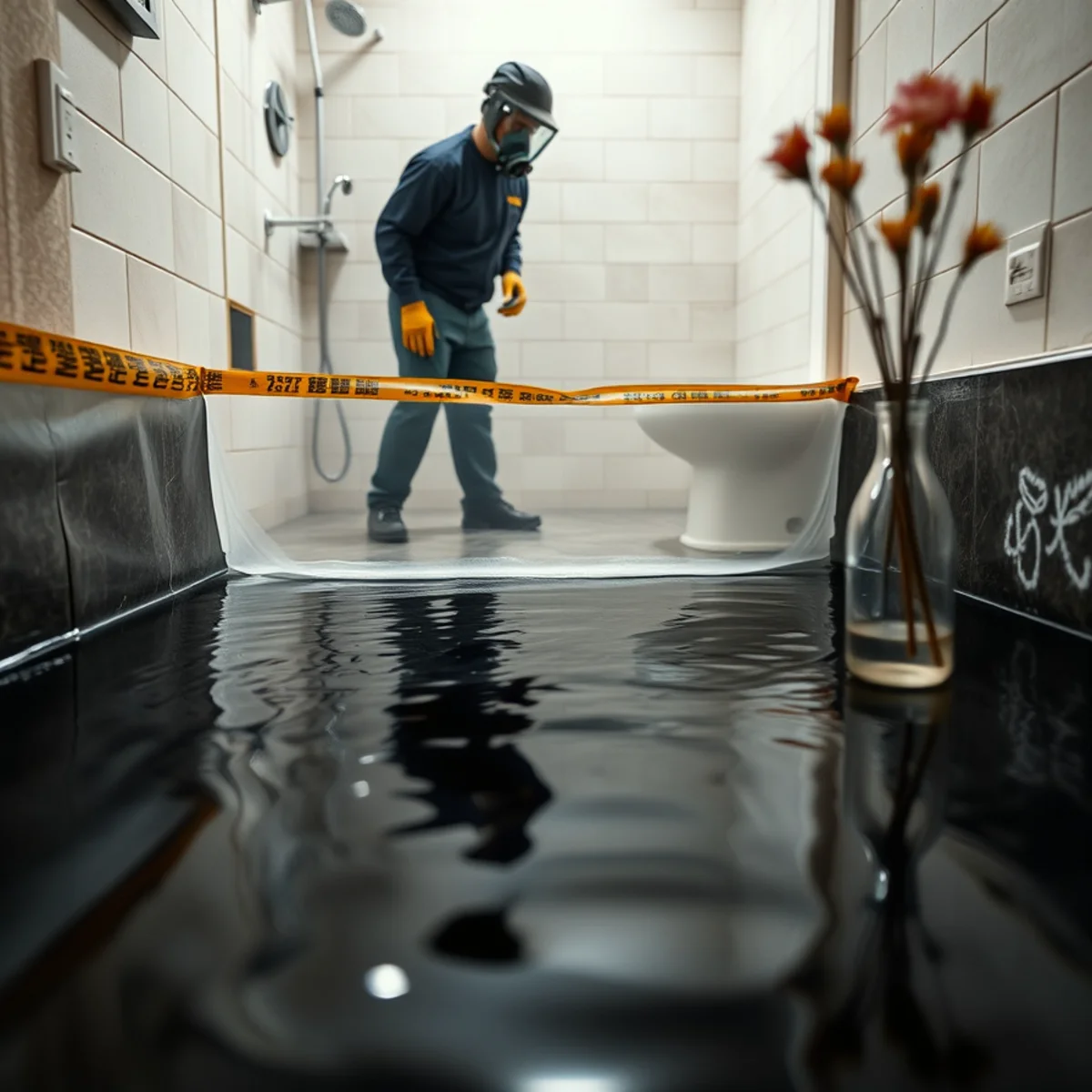
Grossly contaminated water containing pathogenic agents. Sewage backup, toilet overflow with solids, outdoor floodwater, and any water that has been standing long enough to support significant microbial growth.
Handling: full poly containment with negative air pressure, HEPA air scrubbing, technicians in proper PPE, extraction to a sealed tank, mandatory removal and regulated disposal of every porous material that contacted the water, cleaning followed by an EPA-registered antimicrobial on everything that remains.
This runs at the top of the mitigation scale — commonly around $7.00 to $8.50 per affected square foot — and none of the protocol is optional.
The Part Most Homeowners Miss: Category Degrades
Category is not fixed at the moment of the loss. It describes the water's current condition, and that condition worsens.
Clean water sitting on a warm floor for 48 hours has picked up soil, gypsum, dust and organics from everything it touched, and it now supports microbial growth. It is no longer Category 1.
In practical terms, waiting can move your loss from a dry-in-place job to a remove-and-replace job. The carpet pad you would have saved on hour two is disposed of on day two. The drywall you would have dried gets cut.
This is the single strongest financial argument for calling immediately, and it is why response time is not just a convenience metric in this industry.
Classes: The Other Half of the Assessment
Alongside category, the IICRC S500 standard uses classes to describe how much material got wet and how hard it will be to dry. Categories describe contamination; classes describe the drying challenge.
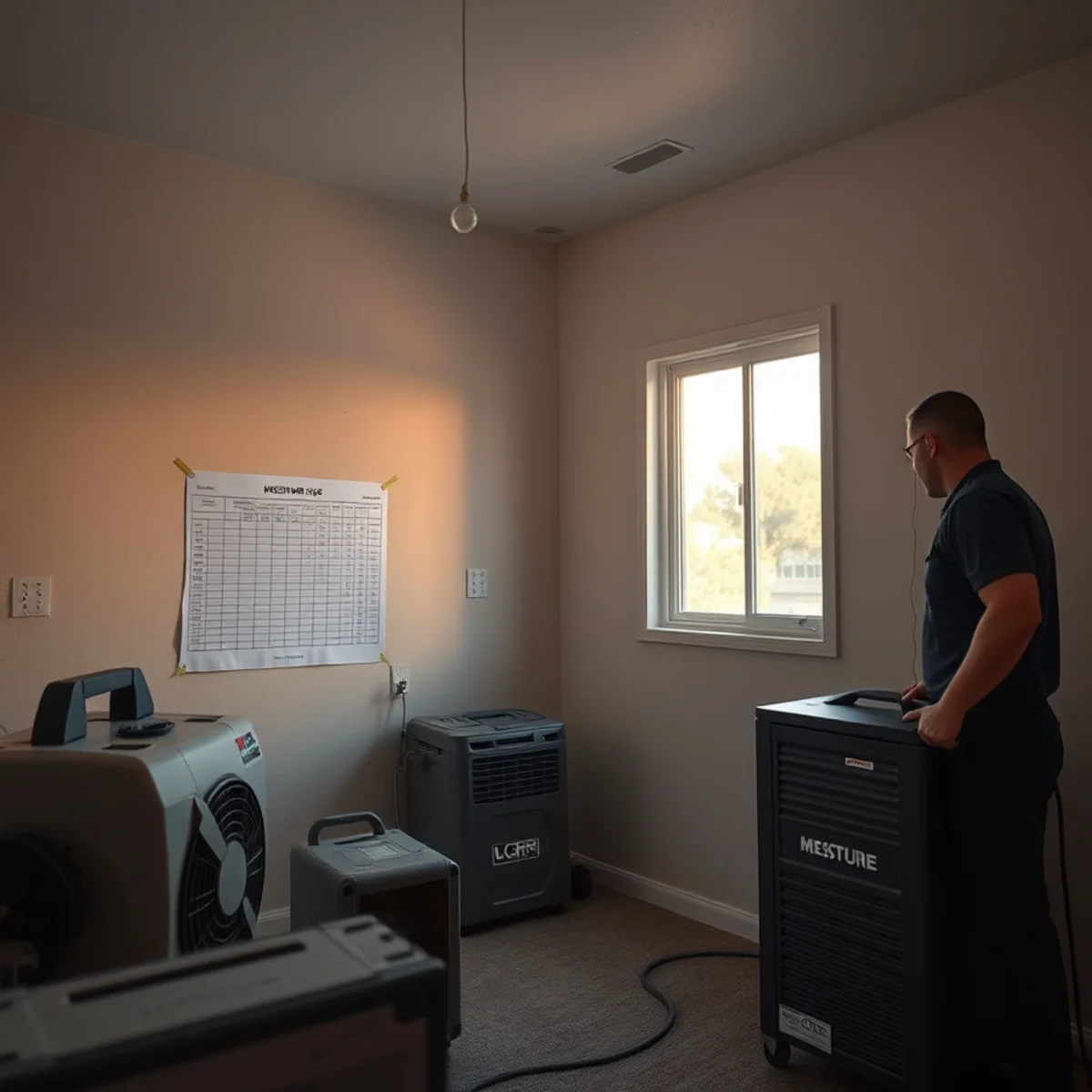
Broadly: a small area with minimal absorption dries fastest. A whole room with saturated carpet and wicking drywall is a bigger job. Water that saturated the entire assembly including subfloor and structural cavities is harder still. And losses involving genuinely low-permeability materials — hardwood, plaster, concrete, brick — are the slowest regardless of how much water there was.
That is why a small Category 1 loss in a concrete slab can take longer to dry than a larger one in a tiled room.
From the field
Classes — the other half of the assessment nobody talks about
Category tells you how contaminated the water is. Class tells you how hard the drying will be, and it is the number that actually sets your equipment plan and your timeline. Class 1 is a small affected area with low-porosity materials — a fast job. Class 2 is a whole room with carpet and pad and wicking up to two feet. Class 3 is water that came from above and saturated ceilings, walls and insulation. Class 4 is specialty drying: hardwood, plaster, concrete, stone and other materials that hold water and release it slowly.
Knowing both is why two Category 1 losses can look nothing alike on an estimate. Clean water on a tiled floor is Category 1 Class 1 and finishes in two days. The same clean water through a second-floor ceiling into insulation and hardwood below is Category 1 Class 4 and runs a week with specialty equipment.
The tradeoff that follows: on a Class 4 job the equipment costs more per day and the job runs longer, and it is still the cheaper path than replacing the material. Where we push back on our own industry is jobs scoped as Class 1 to look competitive on price and then quietly extended — ask for the class in the initial scope, because it is the honest signal of how long this will take.
Category degrades with time, in one direction
Clean water left standing becomes Category 2 in roughly 48 hours and keeps going. The category at cleanup is what governs, not the category at the source.
Ask which category and class are in your scope
Both belong in the written scope. They justify the equipment, the removals and the timeline, and an adjuster is looking for them too.
Frequently Asked Questions
How do I know what category my water damage is?
Source is the starting point: supply line or clean rain is Category 1, appliance discharge or urine-only overflow is Category 2, sewage or outdoor floodwater is Category 3. But time matters too — clean water that has been sitting for 48 hours has degraded. A technician assesses both source and duration.
Can Category 1 water become Category 3?
Yes, given enough time and the right conditions. Clean water that stands long enough to support significant microbial growth is Category 3 by definition, regardless of where it started. That progression is why waiting to call is the most expensive decision available on a water loss.
Why does Category 3 cost so much more?
Because the protocol is different and mandatory: full containment with negative air, PPE, HEPA scrubbing, extraction to a sealed tank, regulated disposal, and removal of every porous material that contacted the water. Nothing that absorbed Category 3 water can be reliably decontaminated, so it goes rather than being dried.
Need help with this in Irvine?
We handle this work every week across Irvine and Orange County. A live dispatcher answers 24/7, gives you an arrival window, and tells you what to do while you wait. Free on-site assessment and written scope before any demolition.
Related services