Emergency Guides · 6 min read
Burst Pipe? Your First-Hour Action Plan to Stop the Damage
A half-inch supply line moves four to eight gallons a minute. Twenty minutes of hunting for the shut-off is over a hundred gallons in your walls. Here is the order to do things in.
Short answer
Shut the main water valve off first — nothing else matters until the water stops. Then cut power to affected circuits if you can reach the breaker safely, move contents off wet floors, photograph and video everything before you clean, and call for professional extraction. Do that in the first hour and you usually keep the flooring.
A burst supply line at typical household pressure delivers somewhere between four and eight gallons a minute. That number is worth sitting with, because it means every minute you spend looking for the shut-off valve is another five gallons going under your flooring and up the inside of your walls.
This is the sequence we give people on the phone. Do it in this order — the order matters more than the speed.
Minutes 1–5: Shut Off the Water
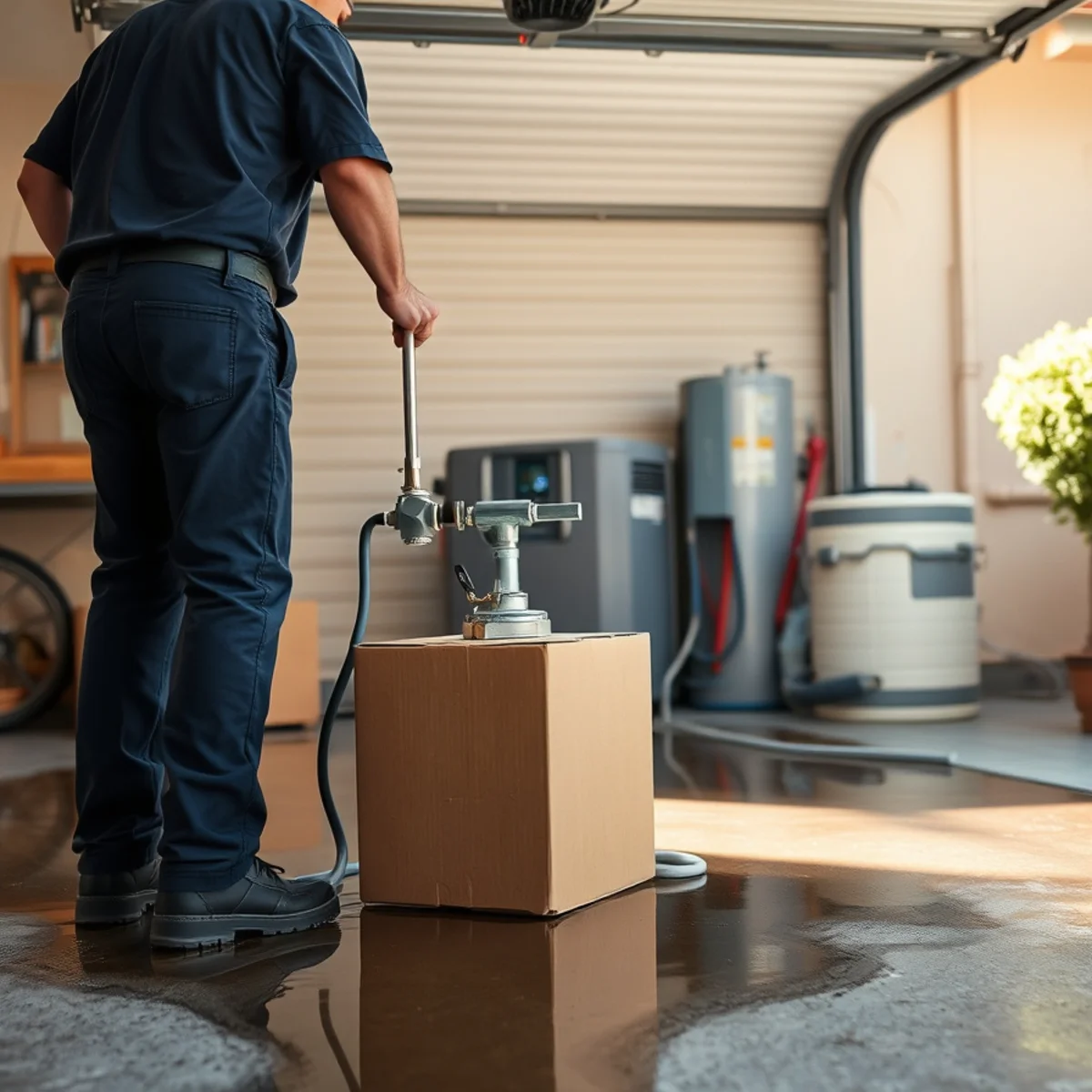
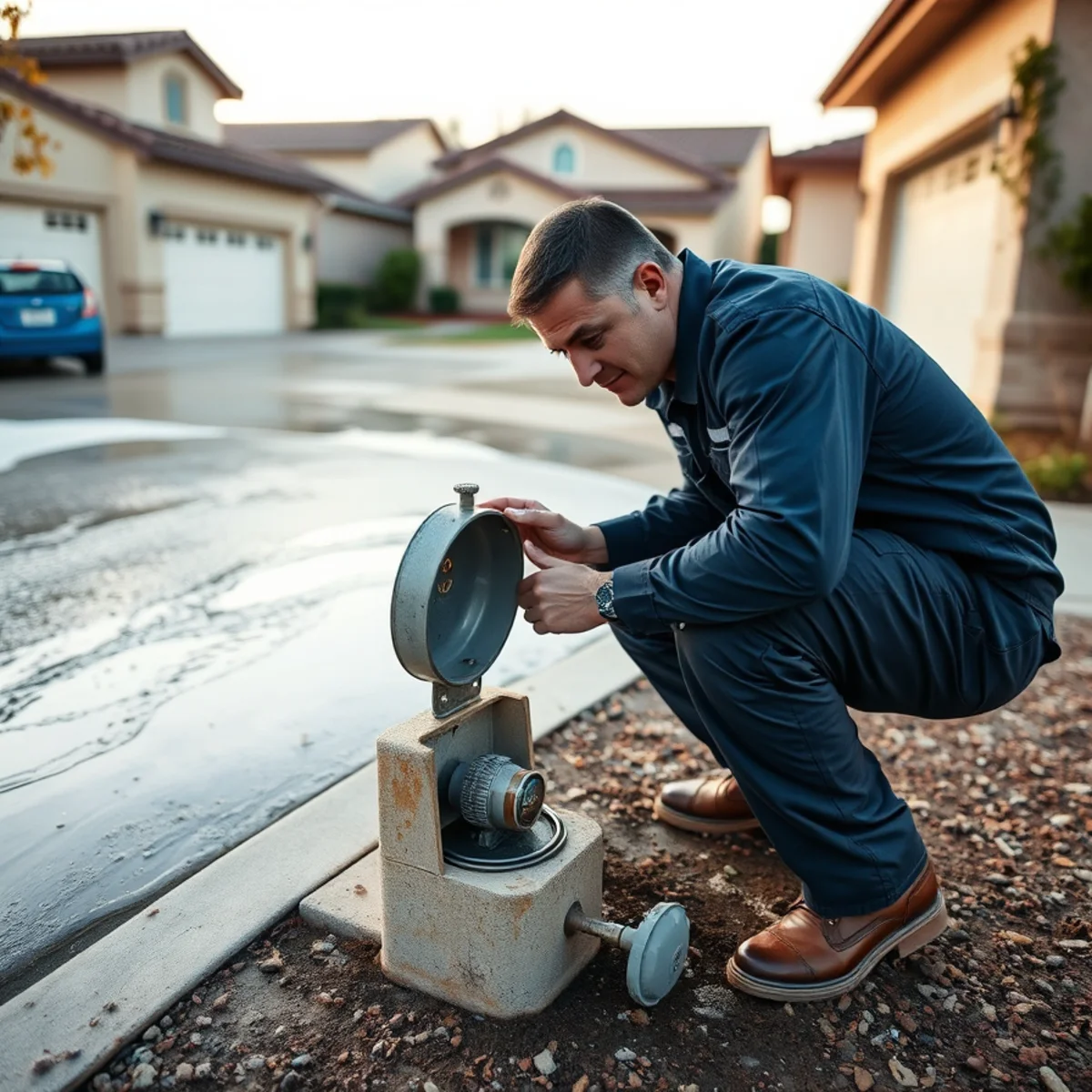
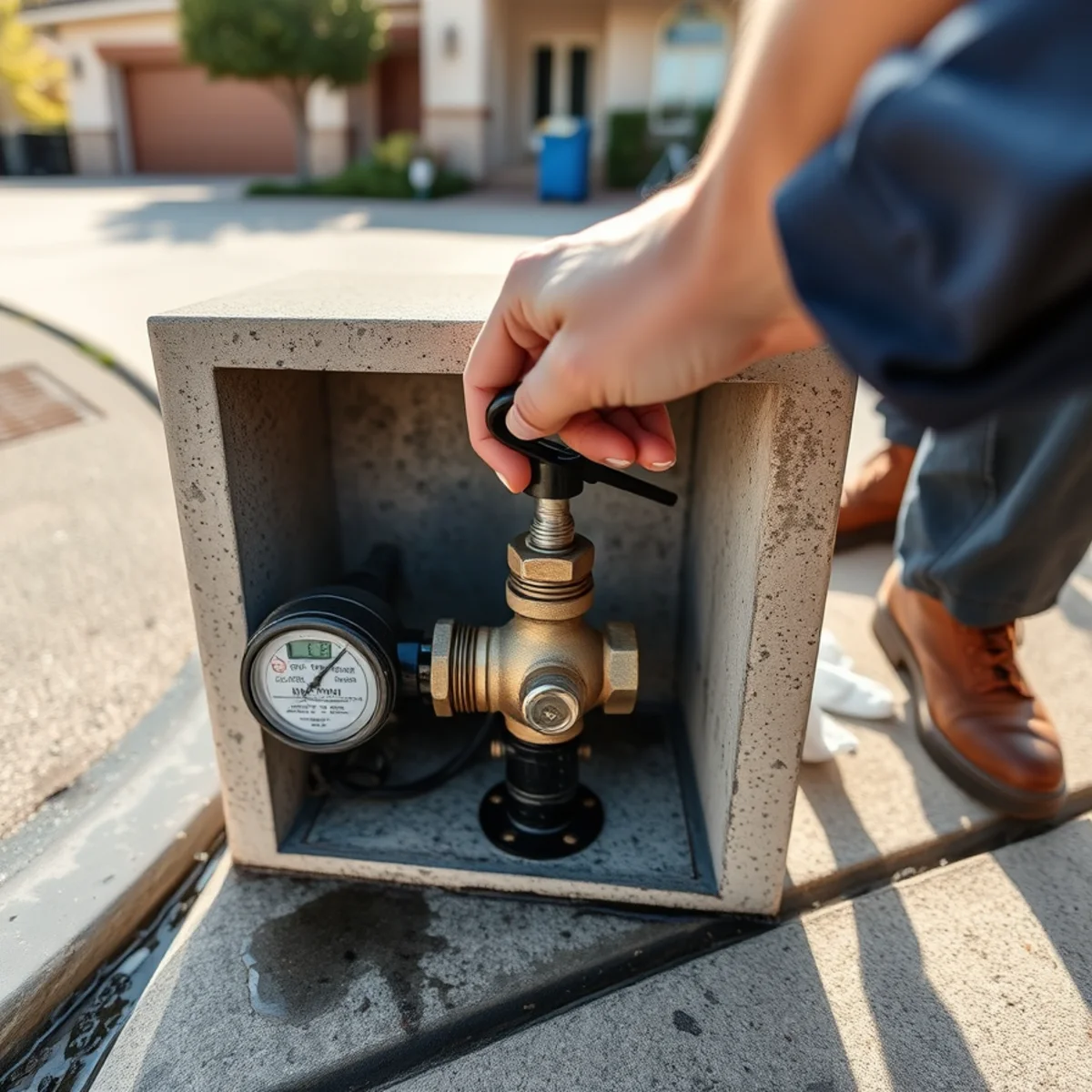
Nothing else matters until the water stops. In most Irvine homes the main shut-off is in one of two places: a concrete meter box at the curb or in the parkway near the sidewalk, or a valve on the exterior wall of the house near the front hose bib. Turn it clockwise until it stops.
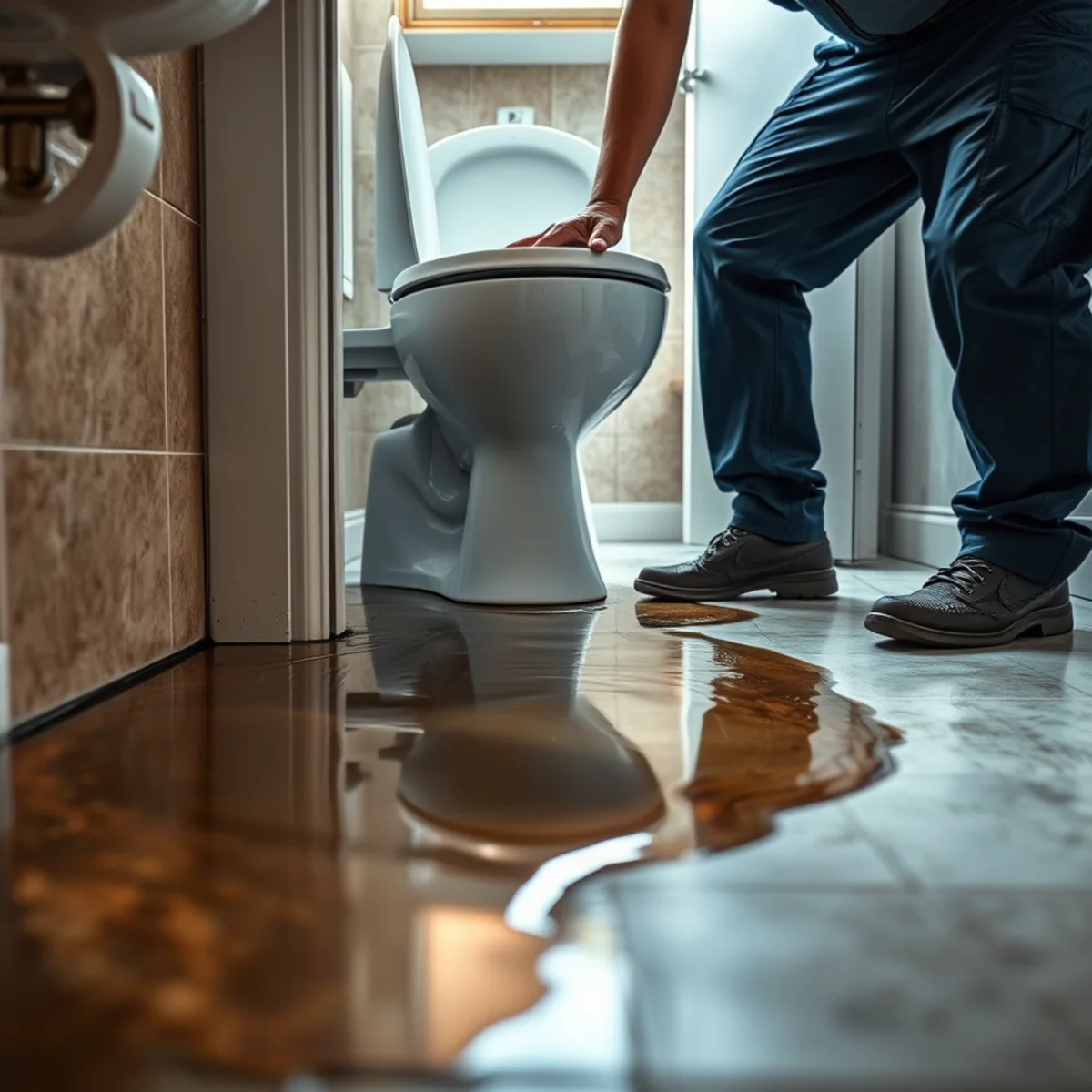
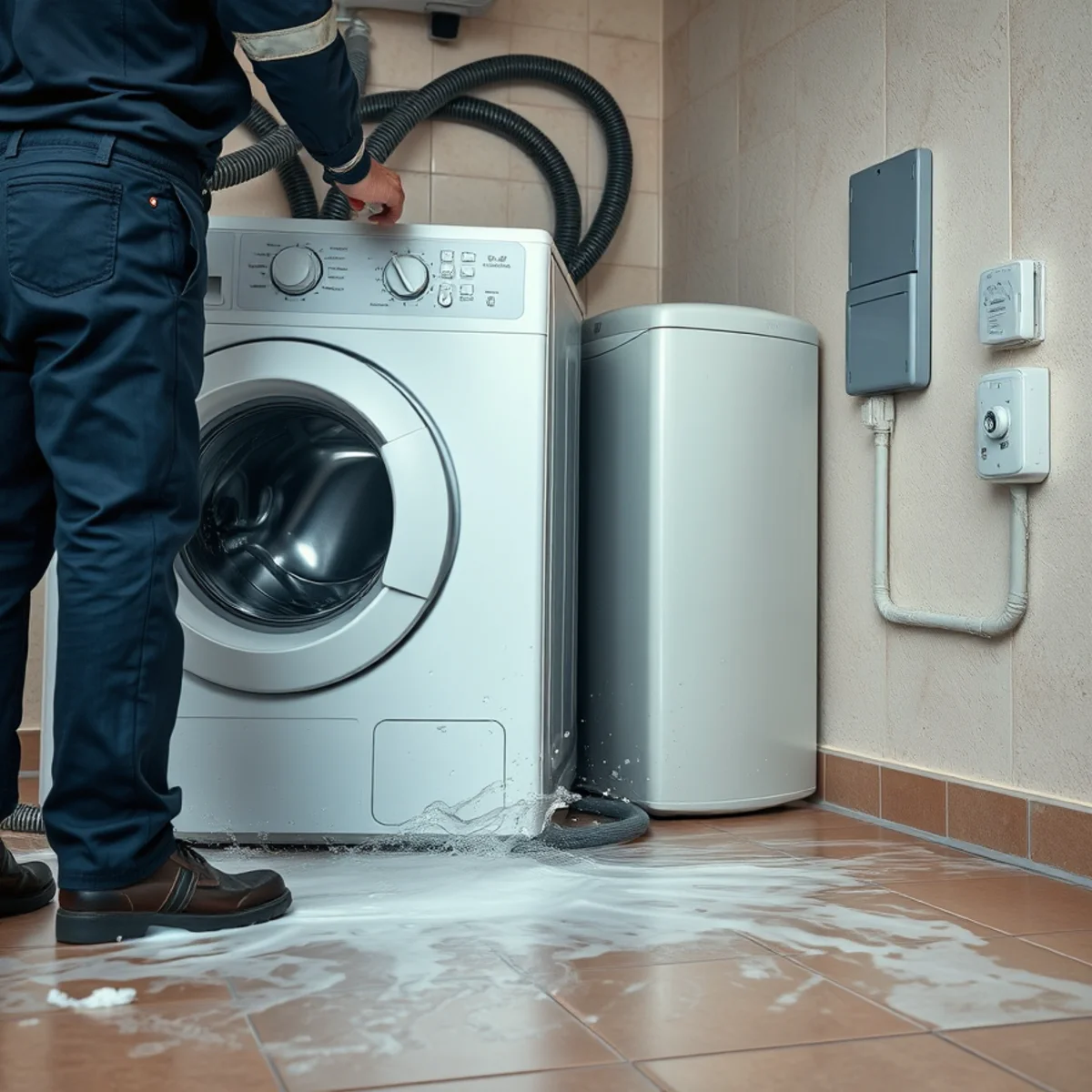
If the break is clearly at one fixture — under a sink, behind a toilet, at the washing machine — the local angle stop for that fixture may be enough. Be aware that angle stops that have never been turned frequently seize from hard-water scale and will not close. If yours will not budge, go straight to the main.
In a condo or attached townhome there is usually a unit shut-off in a hallway closet or an exterior utility panel. Find yours on a calm afternoon rather than during a flood.
Curb meter box
A concrete lid at the sidewalk, usually marked. The valve is beside the meter. You may need a meter key or a large adjustable wrench.
Exterior wall valve
Near the front hose bib on the street-facing side. A round handle or a lever.
Unit shut-off
In attached housing, often a hallway closet, laundry closet or exterior utility panel.
Minutes 5–10: Deal With Electricity
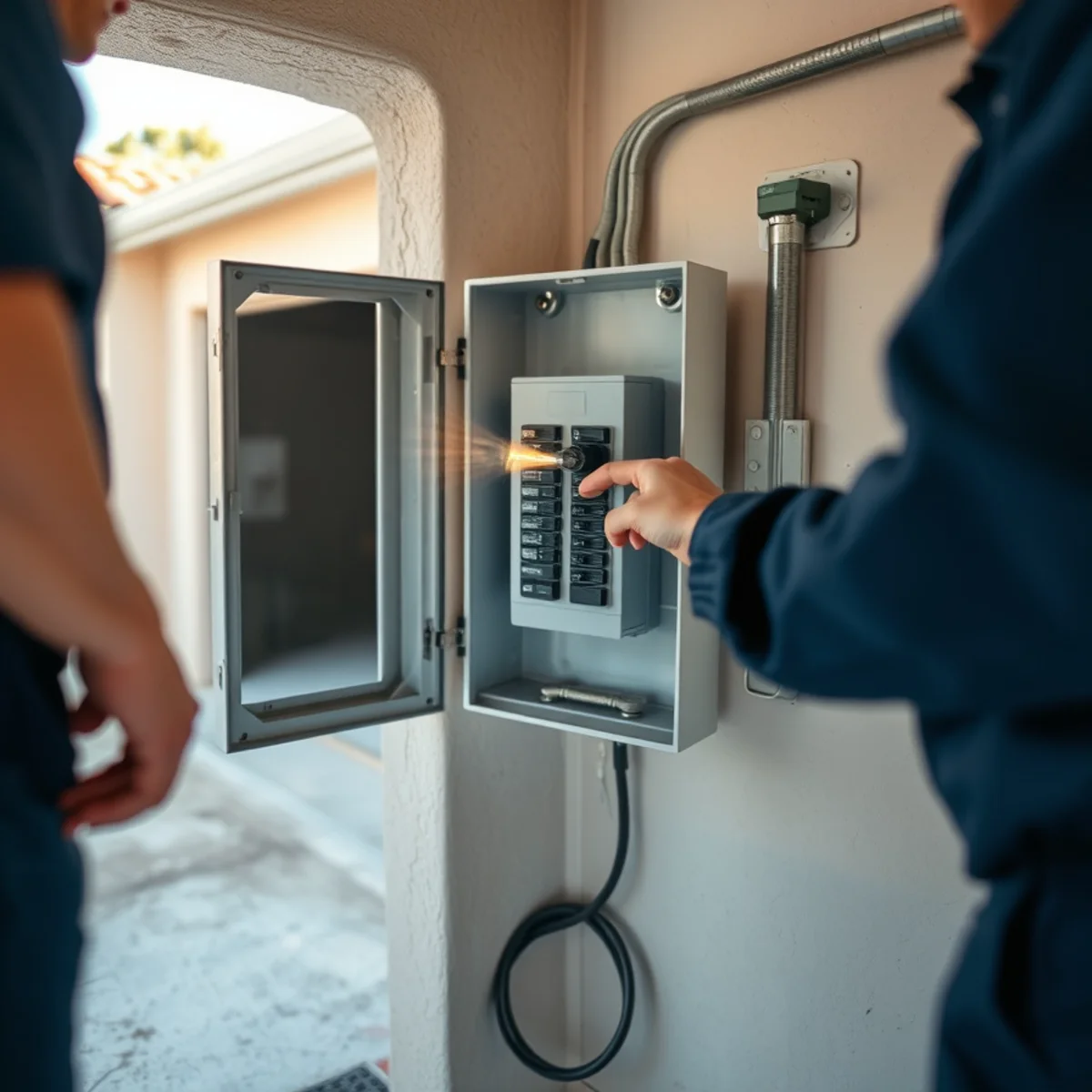
If water is anywhere near outlets, appliances, extension cords or your electrical panel, cut power to the affected area at the breaker — but only if you can reach the panel from a dry location without standing in water.
If you cannot get to the panel safely, do not try. Keep everyone out of the area and tell us when you call. We will handle it or bring in the utility.
This is the one step where the right answer is sometimes to do nothing. Water and electricity kill people every year and none of your property is worth it.
Standing water right now? Call us before you do anything else.
We are on site within 60 minutes anywhere in Irvine, 24 hours a day.
Minutes 10–15: Move What You Can
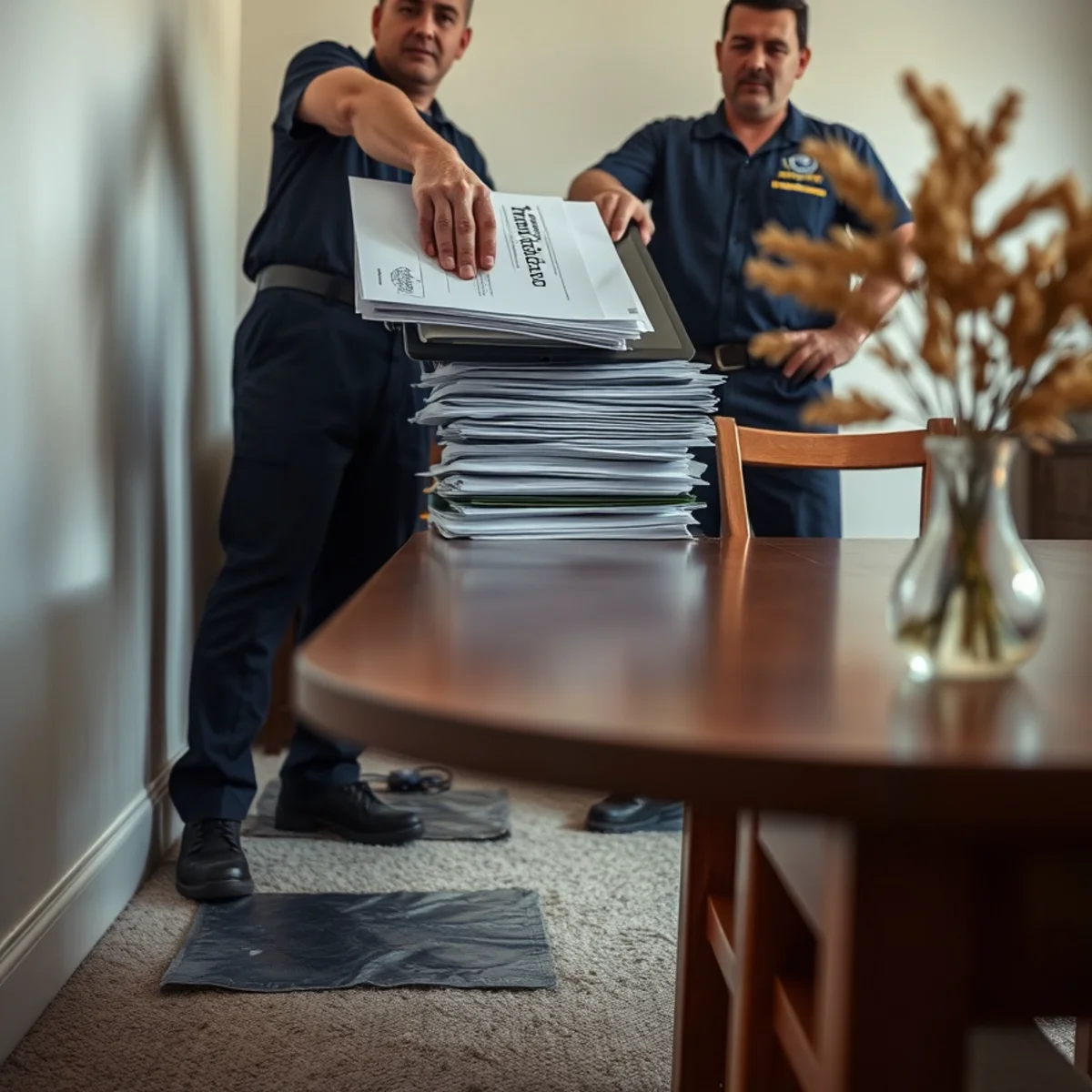
Lift anything off the wet floor that will absorb water or that you cannot replace. Electronics first, then documents and photographs, then rugs and anything with a fabric base.
For furniture that is too heavy to move, get the legs off the floor. Aluminium foil folded under each leg or a block of wood works — wooden legs sitting in water will wick and stain, and the stain transfers into carpet.
Do not start pulling up carpet or moving soaked contents outside. That comes later and doing it now costs you documentation.
Minutes 15–20: Document Everything Before You Touch Anything Else
This is the step people skip and regret. Your insurance claim will be evaluated on evidence, and the evidence has to be created before cleanup starts.
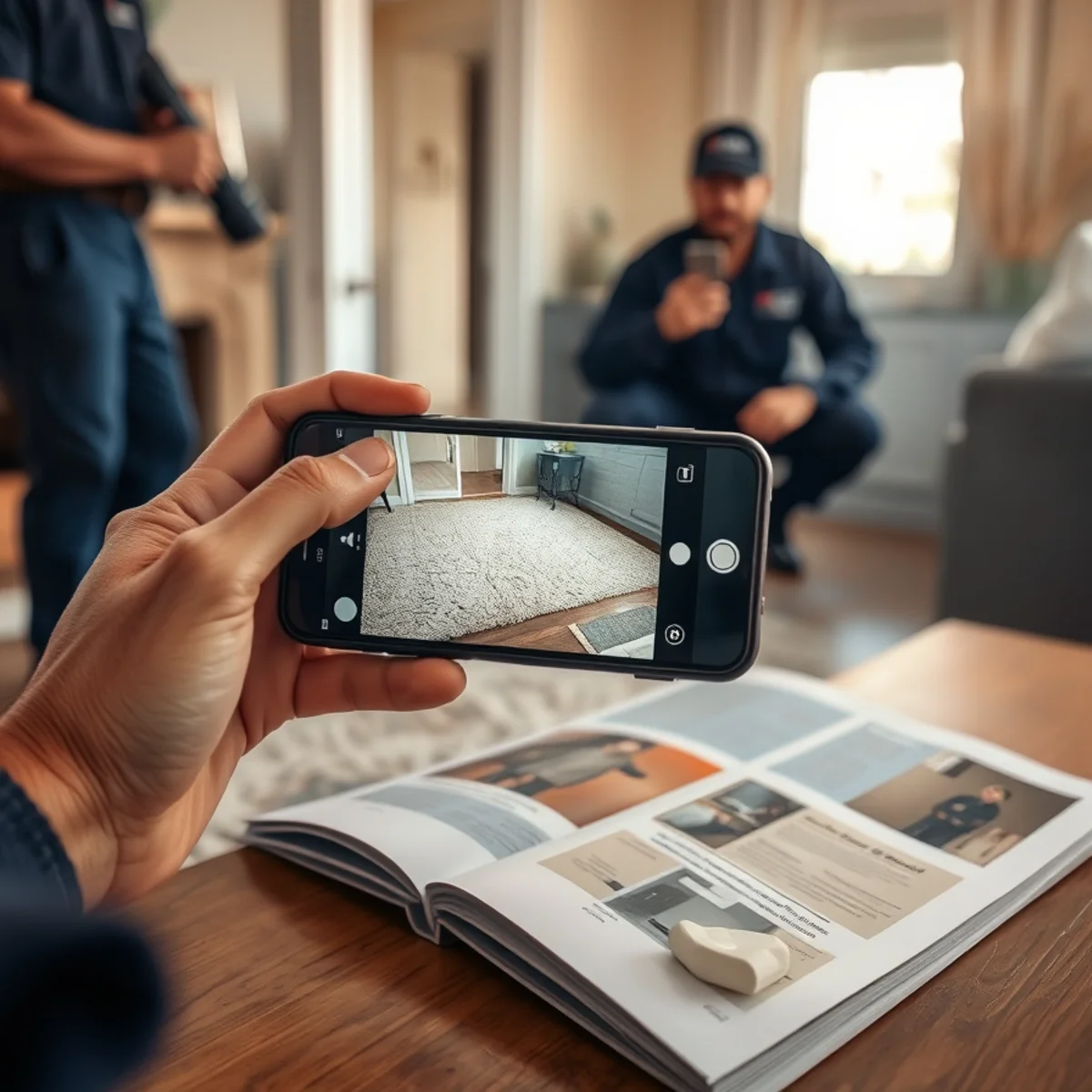
Take wide shots of every affected room from the doorway. Then close-ups of the source, the standing water, every wet material, and anything damaged. Then walk the house on video and narrate what you are seeing — what happened, when you found it, what is wet.
Keep every damaged item until the adjuster has seen it or a restoration company has documented it for you. Hauling ruined carpet to the curb before anyone photographed it is one of the most common reasons contents claims get reduced.
Minutes 20–25: Call for Professional Extraction
Tell the dispatcher the water source if you know it, which rooms are affected, and whether power is off. Ask for an arrival window and the name of the person coming.
Water damage is one of the few emergencies where response time converts directly into money. Extraction within the first hour usually saves the carpet, the pad and the drywall, keeping the job in mitigation. The same loss found eight hours later routinely means the pad is disposed of and the bottom two feet of drywall comes out, which moves you into rebuild.
Our crews reach anywhere in Irvine within 60 minutes, 24 hours a day. If you are elsewhere in Orange County, ask any company you call for a realistic arrival window rather than a marketing promise.
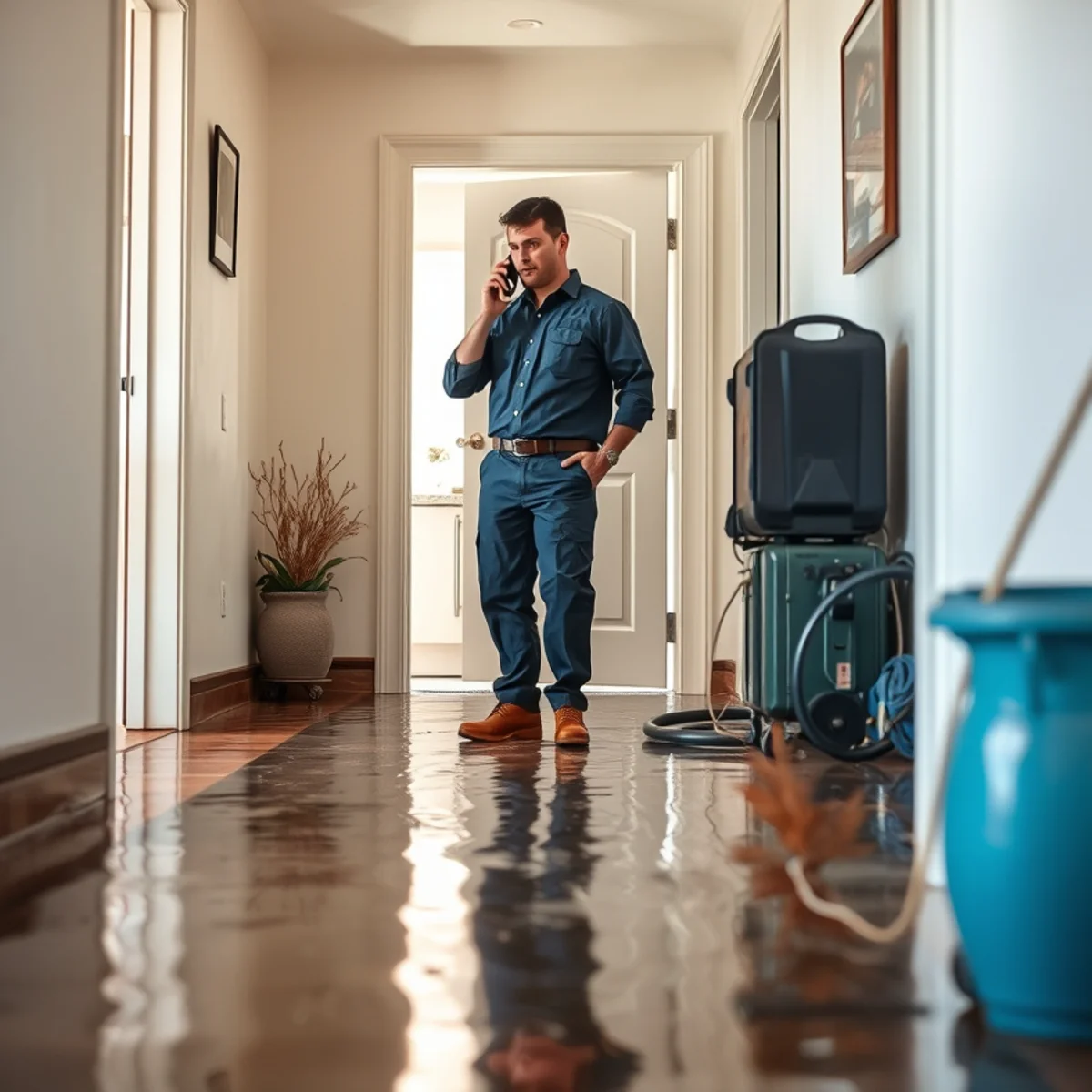
Minutes 25–60: What Not to Do While You Wait
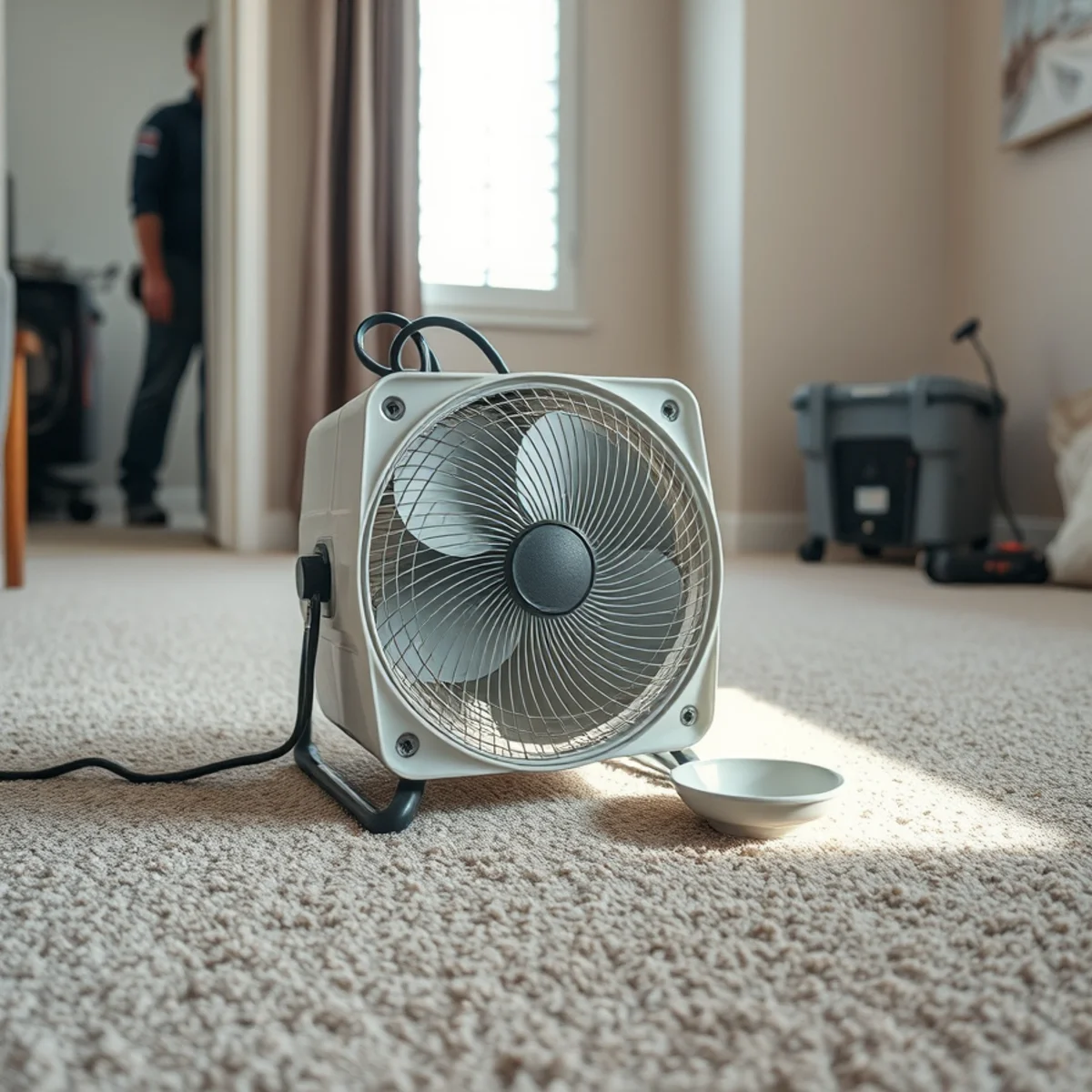
Do not run household fans. This is counterintuitive and it is important. Fans speed evaporation, which moves water out of your materials and into the air of your house — and with no dehumidifier capturing that vapor, it simply condenses somewhere else, usually a wall you were not watching. You have not removed water. You have relocated it somewhere harder to find.
Do not open all the windows either. On a marine-layer morning in coastal Orange County, outdoor humidity is frequently higher than what you are trying to achieve indoors, so the open window is importing moisture.
Do not use a household shop vac on anything that is not clean water. Gray or black water aerosolizes through a vacuum without HEPA filtration and puts contamination into the air you are breathing.
Do gather your insurance policy number and your adjuster's contact details, and keep children and pets off wet floors and stairs.
Why Pipes Burst in Orange County — and Why It Will Probably Happen Again
Freezing is essentially never the cause here. In Irvine and across Orange County, supply lines fail from pinhole corrosion in aging copper, from failed braided supply connectors, from static water pressure above 80 psi when a pressure regulator has quietly died, and from water hammer stressing joints over years.
That matters for what you do next. A first failure in an otherwise healthy system is reasonably handled with a spot repair. A second or third failure in a pre-1990 home means the conditions that caused the first apply to every foot of pipe in the house — and each subsequent leak brings its own drying and rebuild cost on top of the plumbing.
If you are on your second burst in an older Irvine home, put the spot-repair money toward a repipe. We do not do plumbing, so that recommendation costs us nothing to make.
From the field
What we see when we arrive an hour late versus four hours late
The single variable that decides whether a burst pipe becomes a dry-out or a rebuild is not the size of the break. It is how long the water sat. At one hour, carpet and pad are usually saveable, drywall has wicked two to three inches and comes back with airflow and dehumidification, and the job is extraction, drying and a repaint. At four hours, the pad is gone, the wick line is at twelve to eighteen inches, baseboard is swollen, and cabinet toe kicks have drunk enough that the particleboard has started to swell irreversibly.
The other thing we notice is what people did while waiting. Household box fans without a dehumidifier are the most common well-intentioned mistake — they push moisture out of the puddle and into wall cavities and adjacent rooms that were dry when we were called. Shop-vaccing the surface is genuinely useful; running fans across a wet floor in a closed house is not.
Honest tradeoff: same-hour extraction costs more per hour than waiting for a weekday appointment, and it is almost always the cheaper total. The mitigation phase runs three to seven dollars a square foot; the rebuild phase runs twenty to thirty-seven. Every hour that pushes material from the first bucket into the second is expensive in a way the hourly rate never is.
Photograph before you touch anything
Wide shot of each room, then close-ups of the source and each wet material, then a narrated walk-through video. This cannot be recreated later and it is the backbone of the claim.
Keep every receipt from the night
The emergency plumber, the hotel, the tarps, the fans you bought at midnight. Most policies reimburse reasonable emergency expenses and most people throw the receipts away.
Frequently Asked Questions
How much water comes out of a burst pipe?
A half-inch supply line at typical household pressure delivers roughly four to eight gallons per minute. Twenty minutes is well over a hundred gallons — enough to saturate the flooring of several rooms and wick a foot or more up the drywall in every wall it reaches.
Should I try to patch the pipe myself?
Shut the water off first — that is the fix that matters. A temporary clamp or tape wrap can hold a small pinhole long enough for a plumber to arrive, but it is not a repair and you should not restore pressure to the system relying on it.
Will insurance cover a burst pipe?
The resulting water damage is usually covered because a burst pipe is sudden and accidental. The pipe repair itself is usually not — most policies exclude the failed component while covering the damage it caused and the cost of accessing it. Report it the same day; delay is what carriers use to argue the damage was gradual.
Need help with this in Irvine?
We handle this work every week across Irvine and Orange County. A live dispatcher answers 24/7, gives you an arrival window, and tells you what to do while you wait. Free on-site assessment and written scope before any demolition.
Related services
Areas we serve