Emergency Guides · 5 min read
Washing Machine Supply Line Burst: 5 Steps to Limit the Damage
Washer hoses are under pressure 24 hours a day whether the machine is running or not. That is why they cause some of the worst losses we see.
Short answer
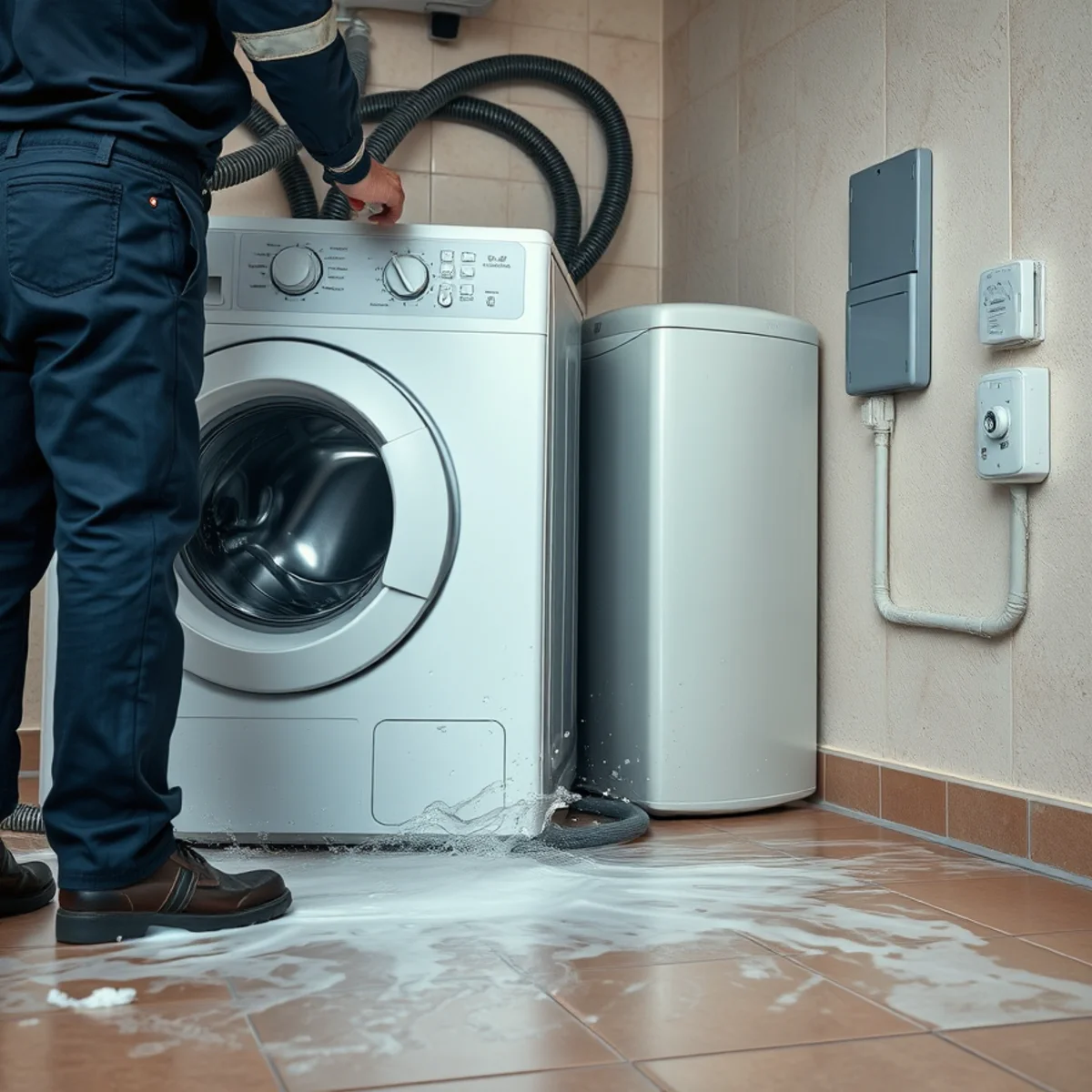
Close both valves behind the machine — hot and cold — or shut the main if you cannot reach them. Kill power to the laundry circuit before stepping into standing water. Then work out where the water travelled, photograph everything before you clean, and call for extraction rather than mopping. Replace both hoses with steel-braided before the machine runs again.
The hoses behind your washing machine are under full household pressure every hour of every day, running or not. That is what makes them different from almost every other connection in your home, and it is why a failure there can deliver hundreds of gallons before anyone notices.
It is also why the worst washer losses happen when nobody is home.
Step 1: Close the Valves Behind the Machine
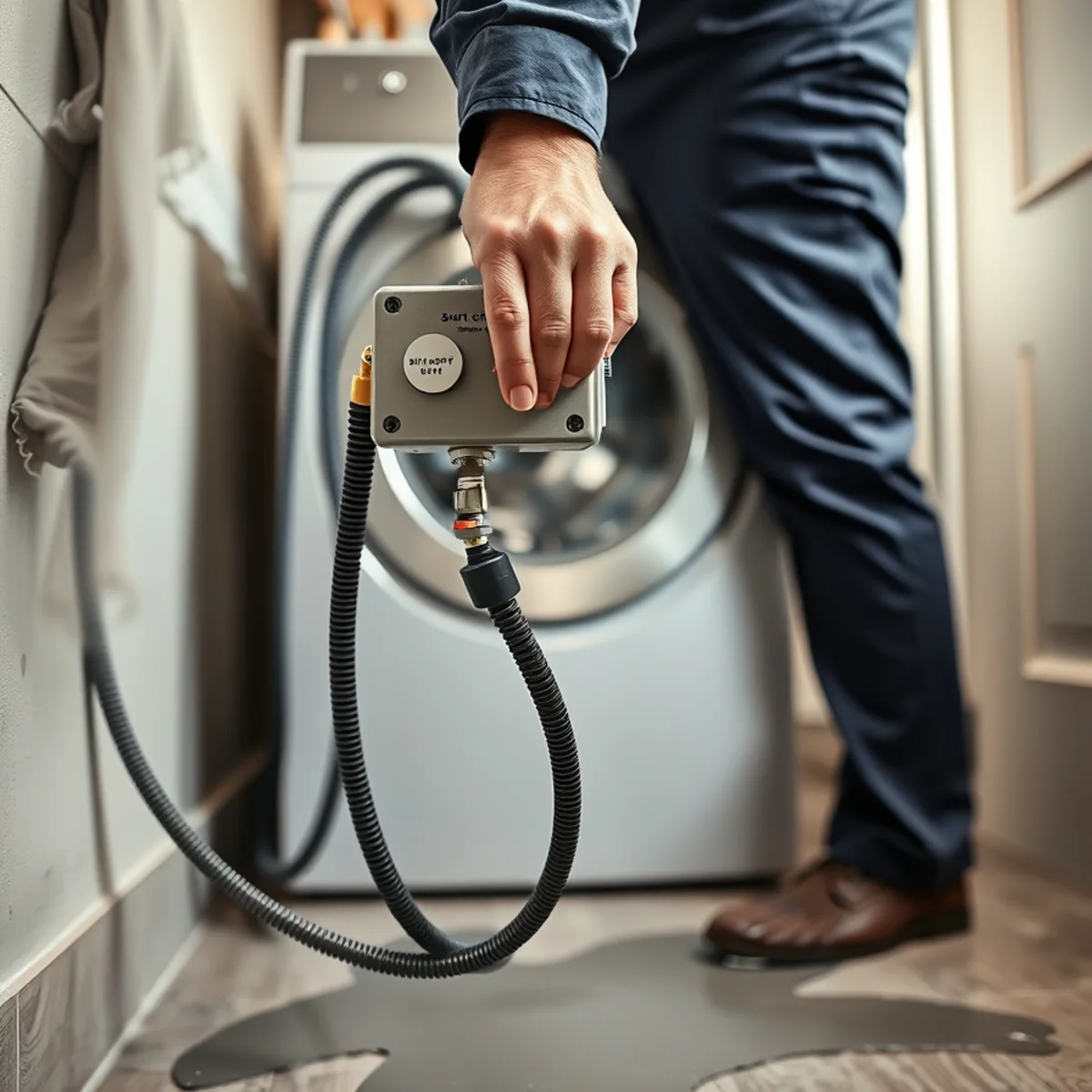
There are two valves on the wall behind the washer — hot and cold. Close both. Many newer homes have a single-lever box that closes both at once, which is faster.
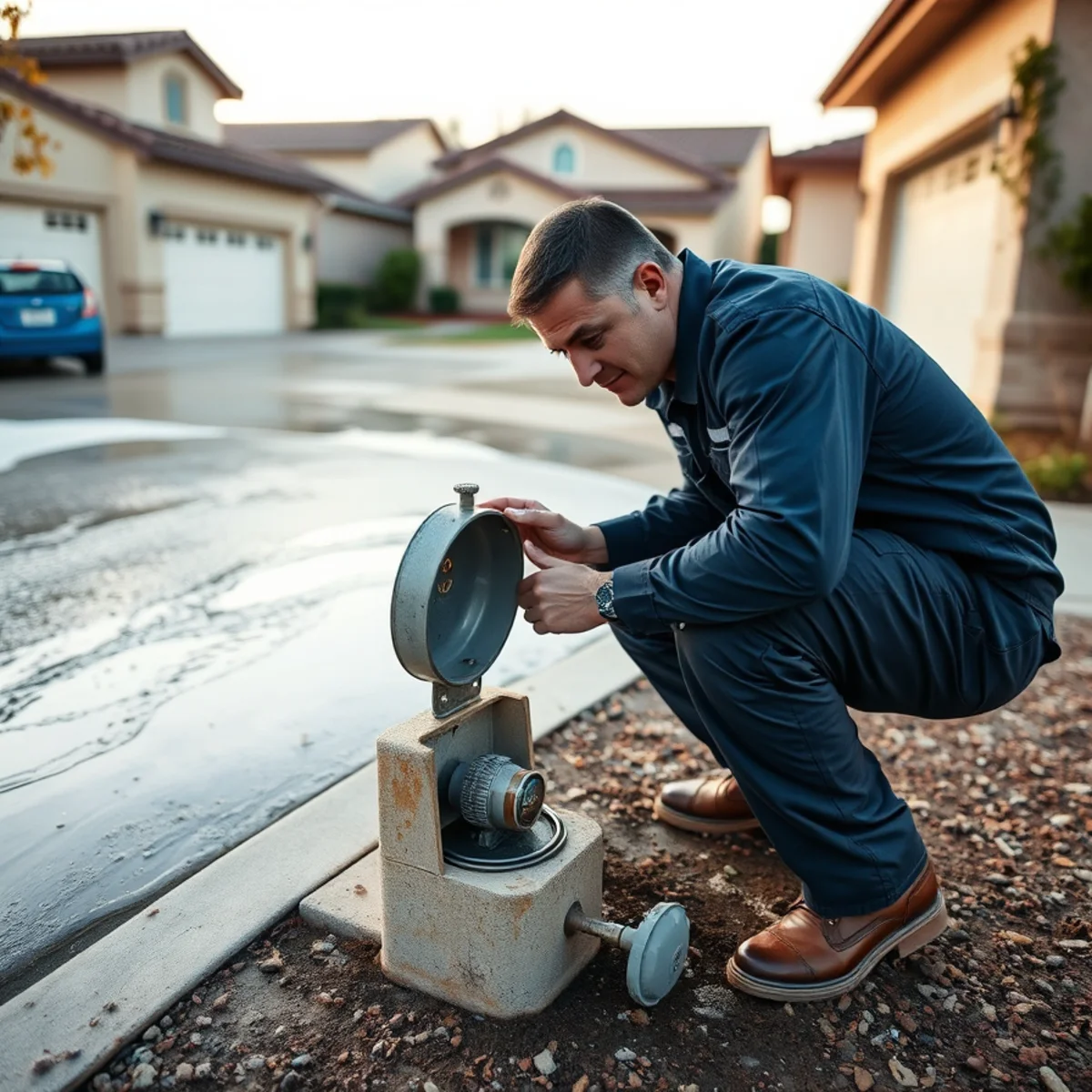
If the valves will not turn, which happens when they have been open for fifteen years and scaled, go straight to the main house shut-off at the curb meter box or on the exterior wall near the front hose bib.
Do not try to reconnect anything or restore pressure. The hose failed for a reason and the other one is the same age.
Step 2: Deal With the Electrical Situation
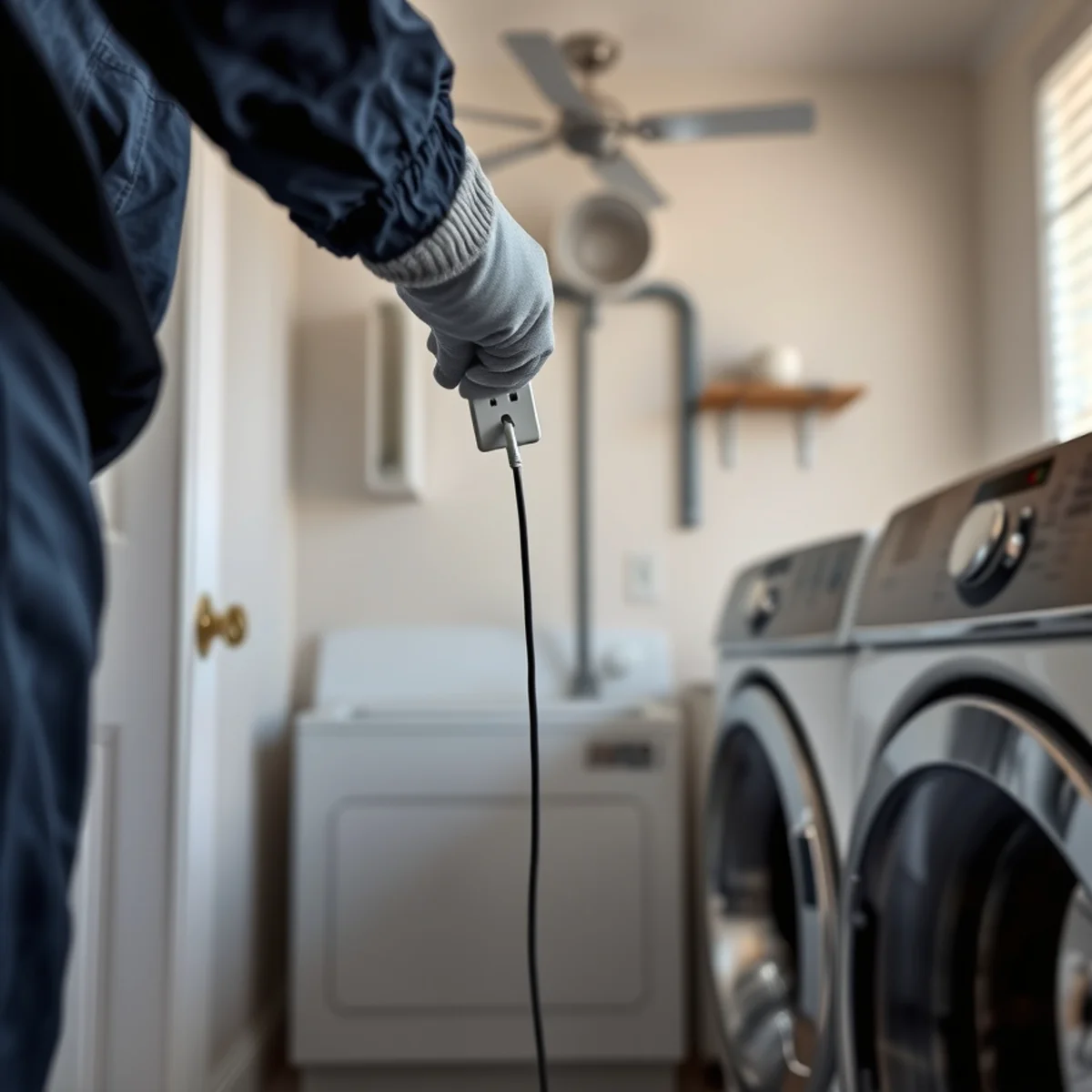
Laundry rooms have a 240-volt dryer outlet, a washer outlet and often a nearby panel. If there is standing water near any of those, cut the circuits at the breaker — but only from a dry position.
Unplug the washer and dryer if you can reach the outlets safely without standing in water. If you cannot, leave them and tell the crew when they arrive.
Standing water right now? Call us before you do anything else.
We are on site within 60 minutes anywhere in Irvine, 24 hours a day.
Step 3: Work Out Where the Water Went
This is where washer losses vary enormously. A first-floor laundry room on a slab is straightforward: water spreads across the floor and under adjacent flooring.
A second-floor laundry room is a different problem. Water goes through the floor assembly into the ceiling below, and in many Irvine floor plans that ceiling is above a family room or a kitchen. In those cases you may be dealing with a ceiling collapse before you are dealing with a wet floor.
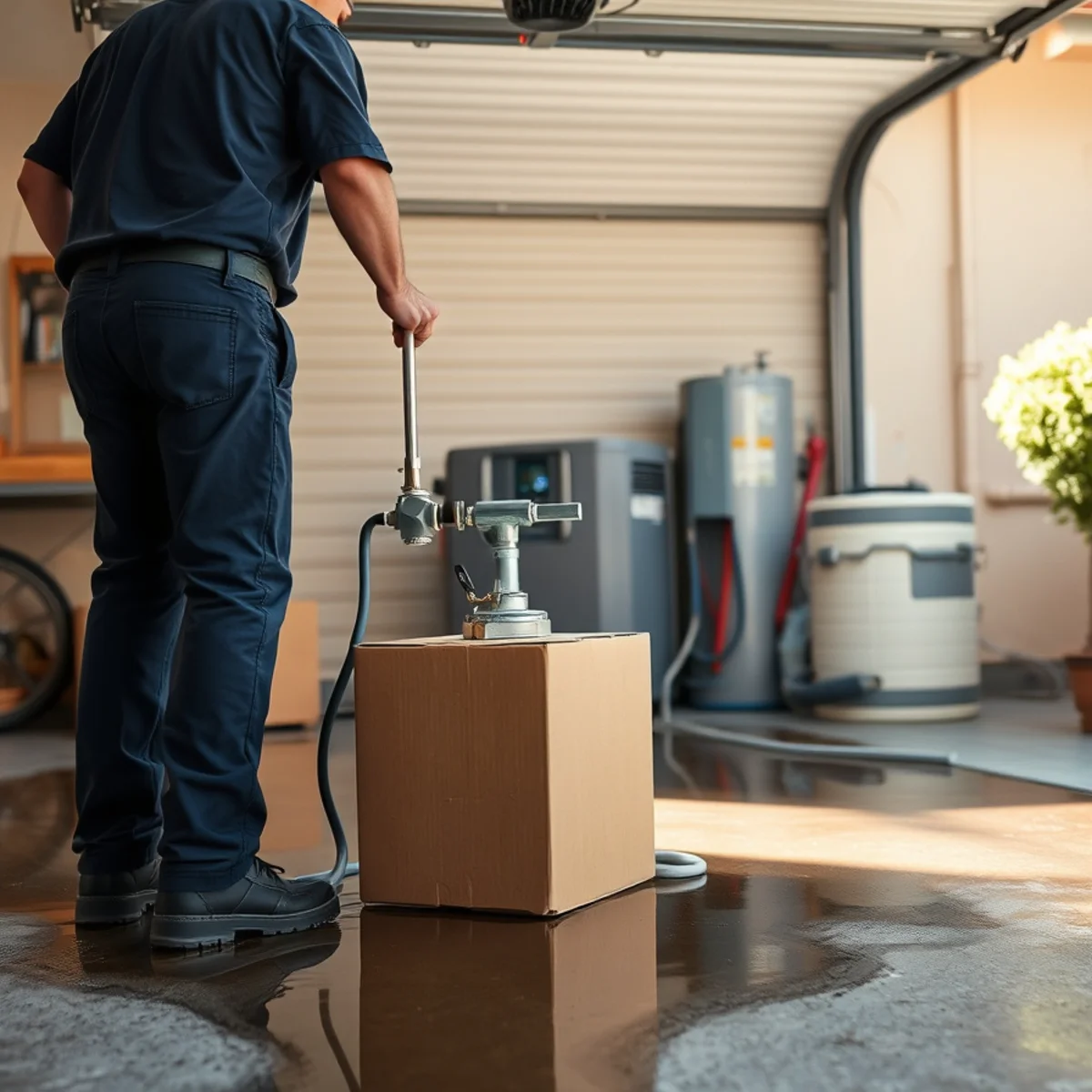
A garage laundry sends water toward the door into the house, because garage slabs typically sit slightly below the interior floor. Towels along that threshold buy you real minutes.
Step 4: Document Before You Clean
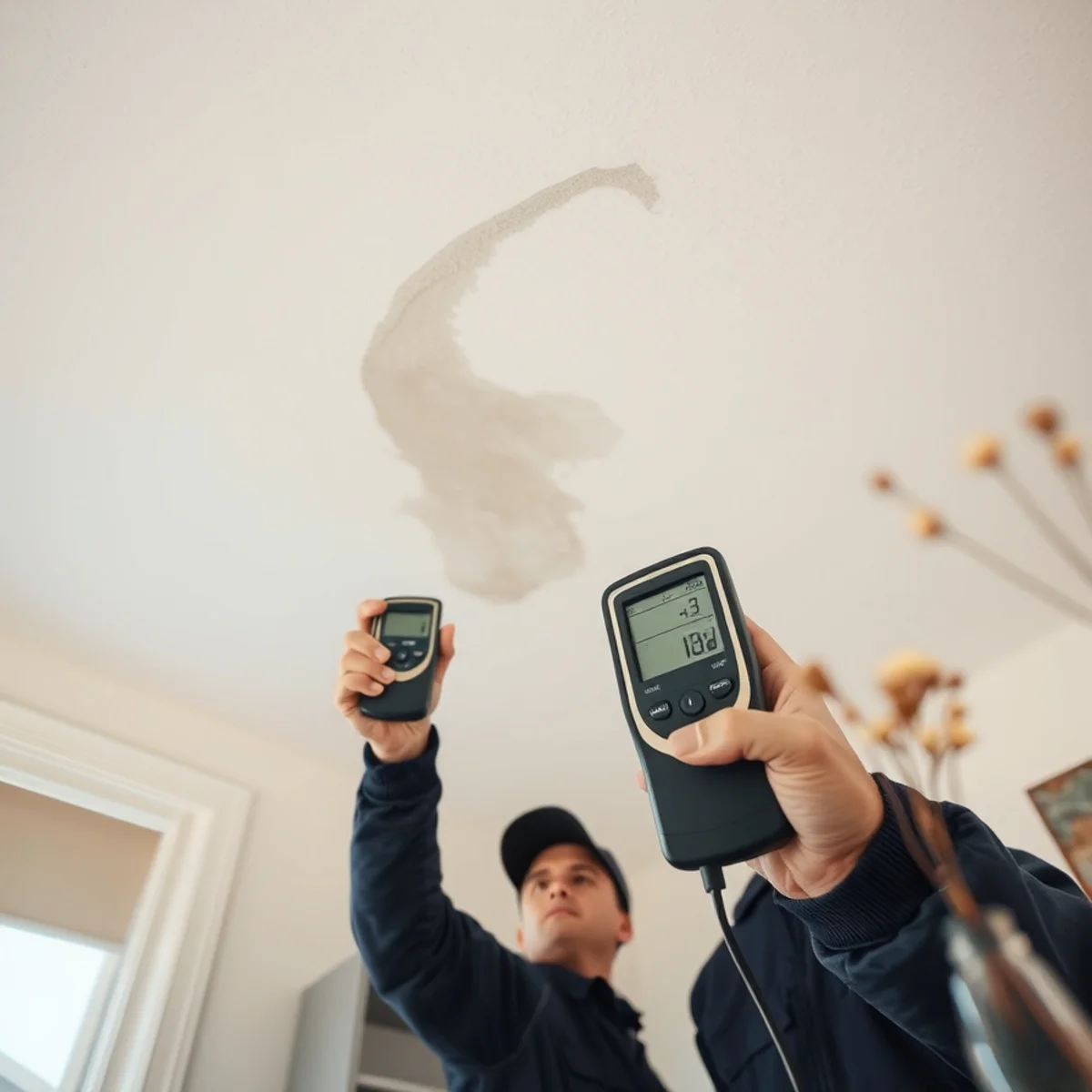
Photograph the failed hose still attached, the standing water, and every wet material. Keep the failed hose — it is physical evidence of a sudden failure, which is what your carrier will want to see.
Wide shots of each affected room from the doorway, then close-ups, then a walk-through video with narration. Do all of it before anything moves.
Step 5: Call for Extraction, Not Just a Mop
Washer supply water is clean at the source, which means most materials can be saved if the response is fast. Drain-hose failures are a different story — that is gray water, and porous materials that absorbed it are handled differently.
Either way, the wet footprint is almost always larger than the visible one. Water spreads along the top of a slab under flooring, and it wicks up the bottom of drywall by capillary action. A moisture meter will find a boundary well outside where you would draw one by eye.
Prevention: The Cheapest Insurance in Your House
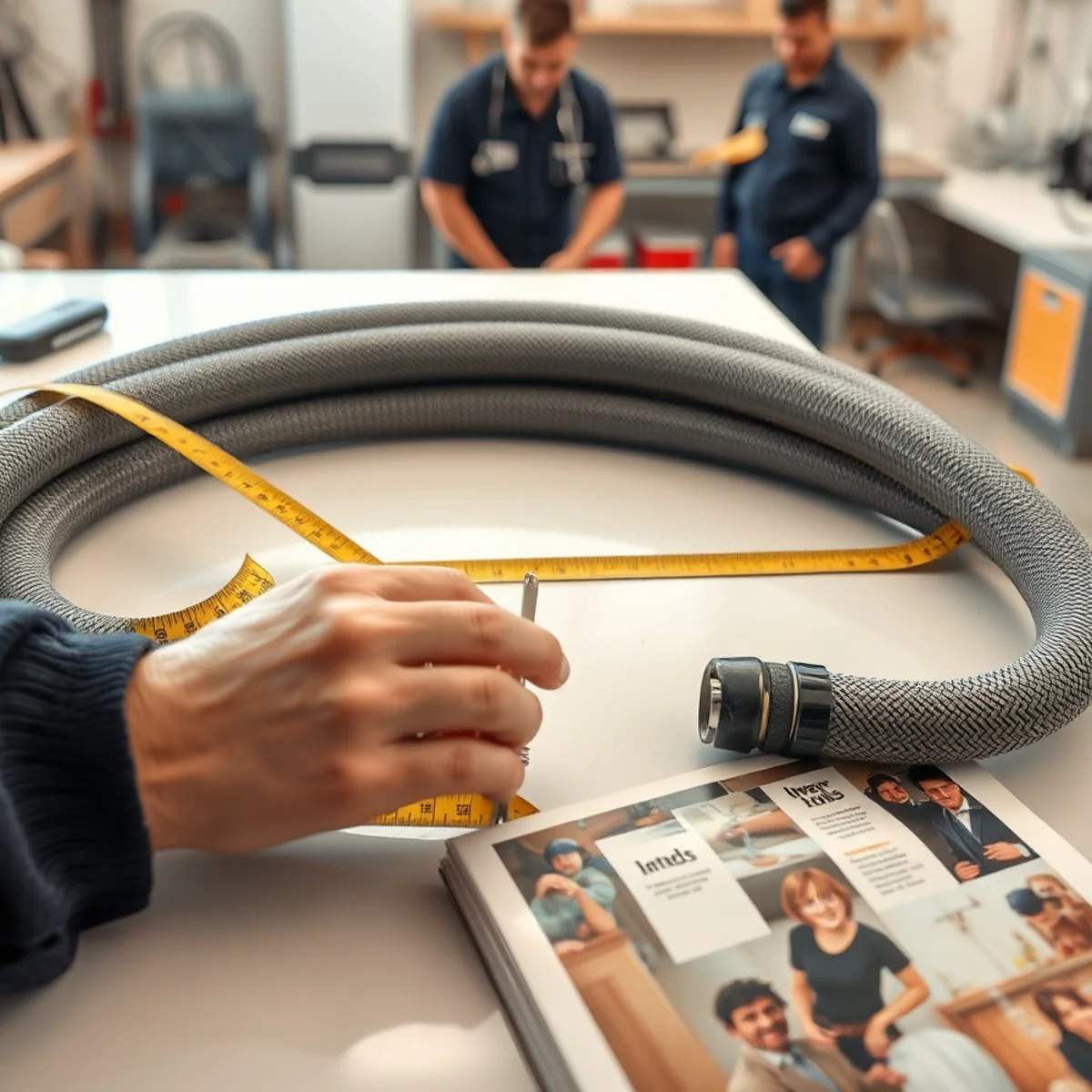
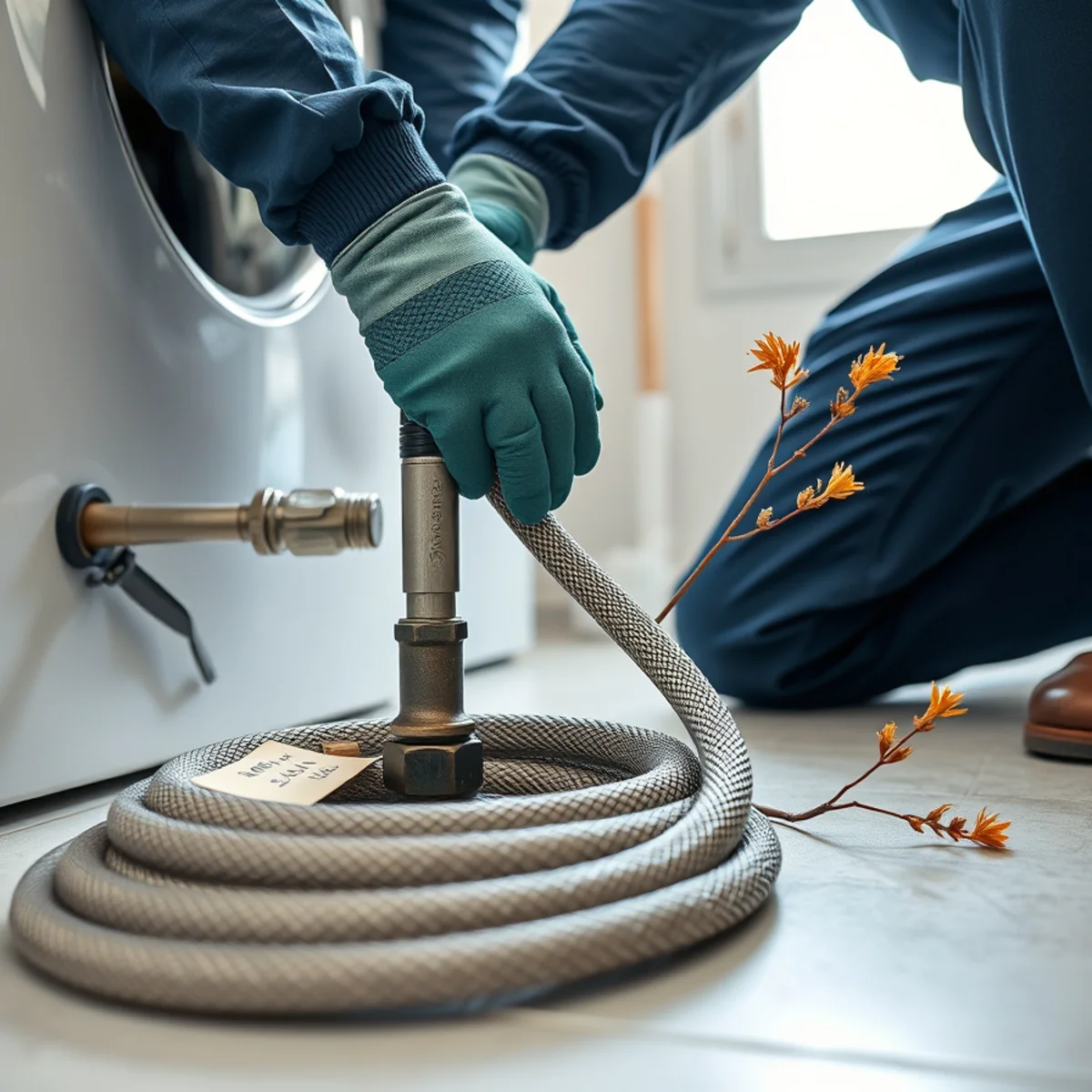
Braided stainless supply hoses have a realistic service life of five to eight years. Almost nobody replaces them on schedule, and rubber hoses — still present in plenty of older homes — are worse. Replace both with stainless braided lines and write the date on them with a marker.
Close the valves when you travel. The single-lever box makes this a two-second habit, and it removes the scenario where a hose lets go on day two of a two-week trip.
Put a Wi-Fi leak sensor on the floor behind the machine. They cost very little and they text you within a minute. If your laundry is on a second floor, add a drain pan piped to a discharge point — that turns a ceiling rebuild into a mopped floor.
From the field
Where washing machine water actually goes, and why the laundry room looks fine
A supply hose under constant mains pressure delivers four to eight gallons a minute and does not stop when the cycle ends. What makes these losses deceptive is that laundry rooms usually have vinyl, tile or sealed concrete — a floor that sheds water rather than absorbing it. So the room where it happened frequently looks like the least damaged room in the house while the hallway carpet outside the door is soaked and the wall shared with the adjacent bedroom has wicked a foot up.
Second-floor laundry is the version that gets expensive. There is no threshold to hold water, so it goes through the subfloor at the first penetration it finds and comes out of the ceiling below, usually across a wider area than the spill itself. Downstairs ceilings, insulation and light fixtures all get involved, and the drying is a two-level job.
The tradeoff on hoses is not really a tradeoff. Rubber hoses cost a few dollars and fail from the inside where you cannot inspect them; steel-braided hoses cost slightly more and are the single cheapest catastrophic-loss prevention available in a house. Turning the valves off between loads is better still and nobody does it — which is why a lever-style ball valve you can actually close, or an automatic shut-off, is the realistic version of that advice.
Replace hoses on a date, not on inspection
Five to eight years is the rating. A hose that looks perfect can be one bulge away from failing, because the degradation is internal.
Pull the machine out and look behind it once a year
Corroded valve stems, a damp wall behind the drain standpipe and a slow drip at a connection are all visible in ninety seconds if anyone looks.
Frequently Asked Questions
How often should washing machine hoses be replaced?
Every five to eight years for braided stainless, sooner for rubber. They are under constant household pressure whether the machine is running or not, which is what makes them one of the most common catastrophic failure points in a home. Write the installation date on the hose with a marker so you know.
Should I turn the washer valves off between loads?
Between every load is more than most people will sustain. Turning them off when you travel is the habit that actually matters, because that is the scenario where a failure runs for days. A single-lever shut-off box makes it a two-second action.
Is a washing machine leak covered by insurance?
The resulting water damage is usually covered as sudden and accidental. The hose itself is not — it is the failed component. Keep the failed hose for your adjuster; it is evidence of a sudden failure rather than a long-neglected drip.
Need help with this in Irvine?
We handle this work every week across Irvine and Orange County. A live dispatcher answers 24/7, gives you an arrival window, and tells you what to do while you wait. Free on-site assessment and written scope before any demolition.
Related services