Problem Solving · 5 min read
How Long Does Structural Drying Take? A Room-by-Room Timeline
The honest answer is: until the meter says so. But here are realistic ranges by material and what makes a job run long.
Short answer
Most residential dry-downs run three to five days. A single room with clean water on hard flooring can finish in two; saturated carpet and pad over a wood subfloor, plaster, or a slab typically takes five to seven. Equipment comes off when materials reach dry standard against a reference reading, not on a fixed schedule.
Everyone wants a date. The honest answer is that drying finishes when materials reach dry standard, which is measured rather than scheduled — but the ranges are predictable enough to plan around.
Here is what to expect, and what makes a job run past the estimate.
Typical Ranges by Situation
Tile over slab, clean water, caught within hours: often 48 hours. Very little material absorbed water and the tile itself holds none.
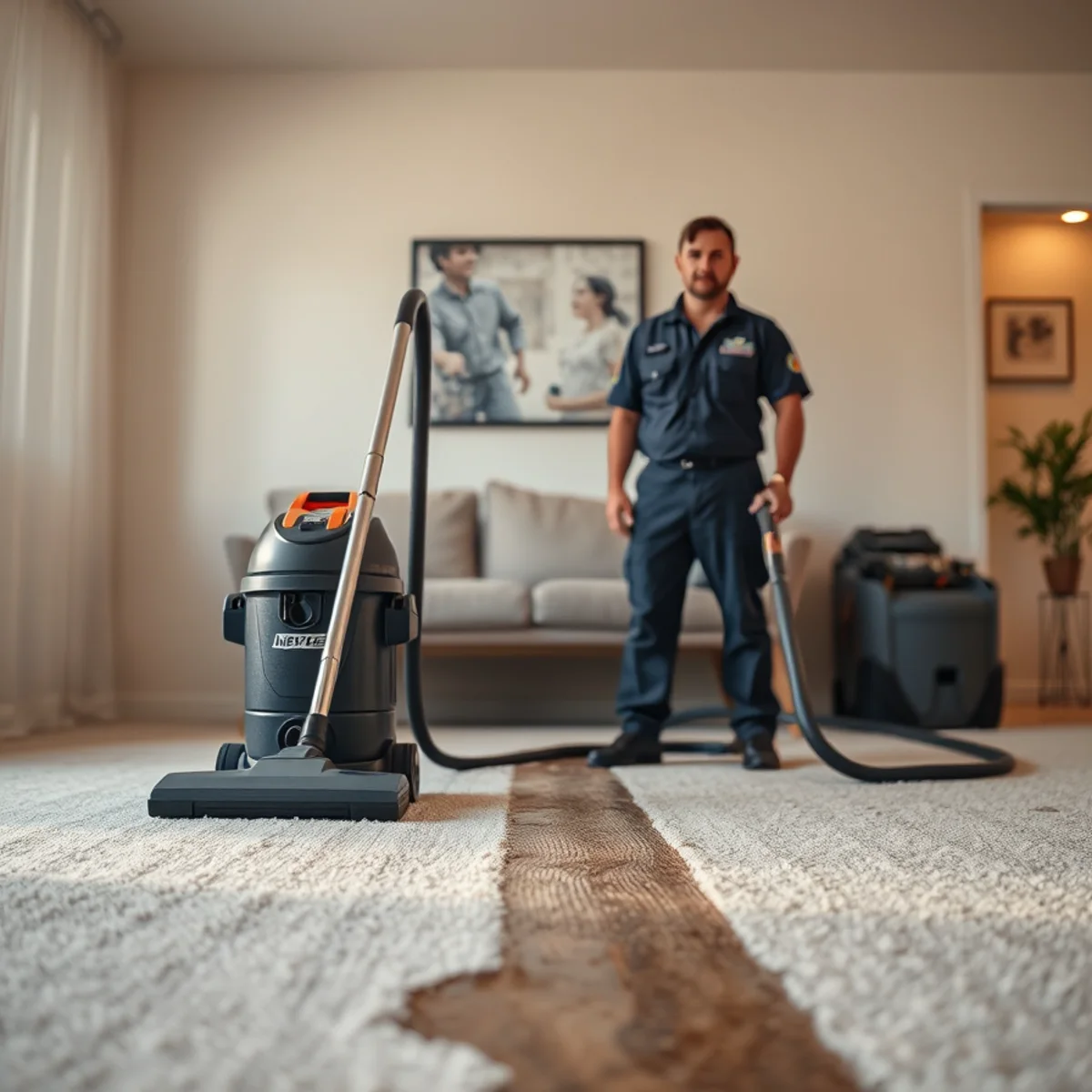
Carpet and pad with drywall wicking, clean water: two to four days. This is the most common residential scenario.
Engineered hardwood with floor-drying mats: seven to twelve days. Wood gives up moisture slowly and pushing it faster causes cupping to set permanently.
Concrete slab after a slab leak or standing water: five to seven days, sometimes longer. Concrete is the slowest material we dry and it needs low-grain or desiccant dehumidification rather than standard equipment.
Crawl space or sub-area: four to seven days, because soil and concrete release moisture slowly and airflow is restricted.
What Sets the Schedule
Material density is the primary factor. Drywall dries fast. Framing lumber dries moderately. Concrete, plaster, hardwood and dense subfloor assemblies dry slowly.
How much water got in matters, obviously, but so does how long it sat before extraction — water that penetrated deep into a material takes far longer to come back out than water that was extracted from the surface within an hour.
Equipment sizing matters enormously and is frequently where jobs go wrong. Too few air movers on a large wet area means a longer dry-down and, counterintuitively, a bigger total invoice even though the daily rate looks lower.
And ambient conditions matter more in coastal Orange County than most places. On a marine-layer morning, outdoor humidity can exceed your target indoor condition, so the system has to be closed.
Standing water right now? Call us before you do anything else.
We are on site within 60 minutes anywhere in Irvine, 24 hours a day.
What Dry Standard Actually Means
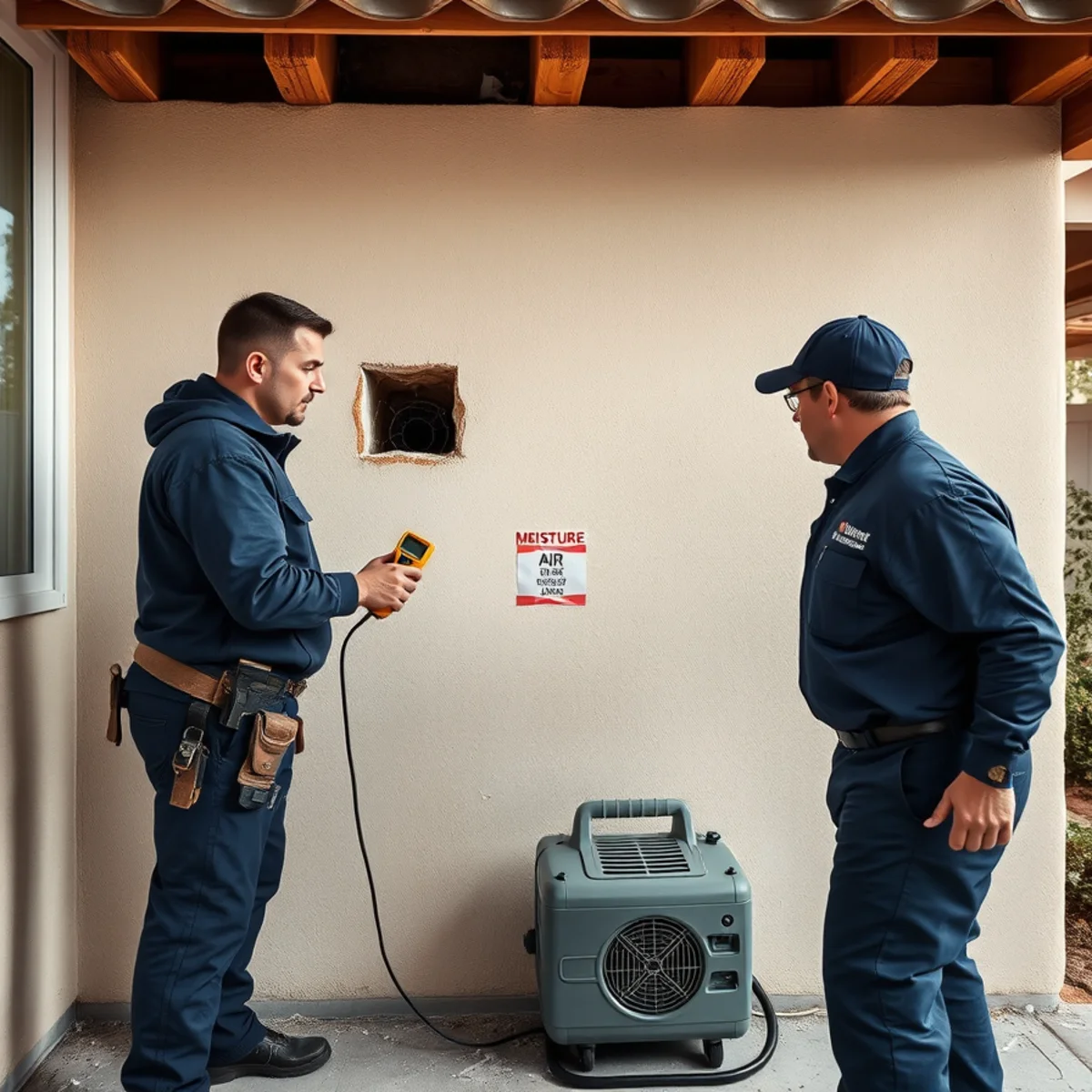
Before drying starts, a competent technician meters unaffected material of the same type elsewhere in the house. That reading is your home's dry standard — the target.
Then affected points are marked and read daily with the same meter until they reach it. Not until they feel dry, and not until a certain number of days has passed.
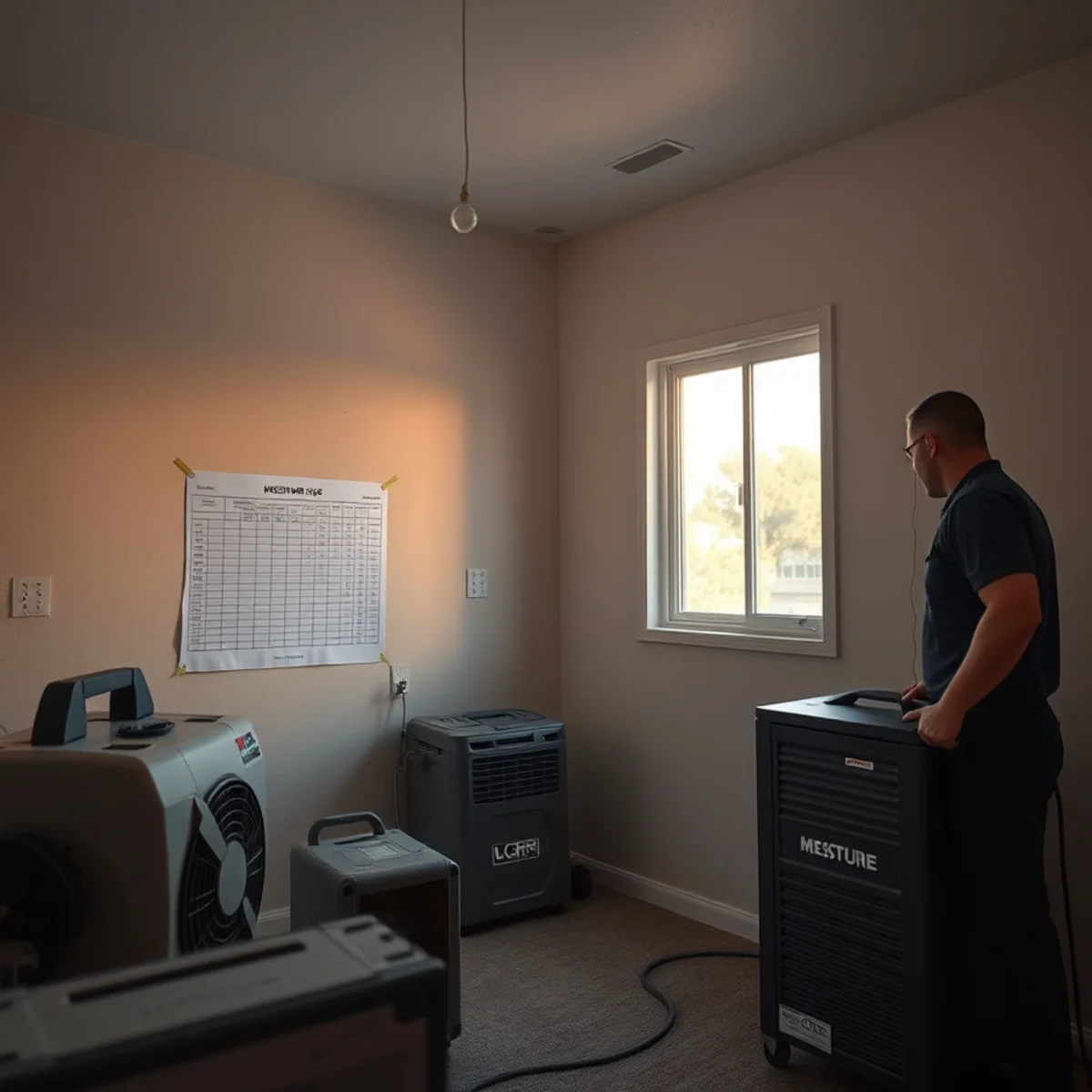
You should receive that log at the end of the job: locations, dates, values. It is what proves the structure is dry, and it is what your adjuster wants before approving repairs. A company that cannot produce one was guessing.
Please Do Not Turn the Equipment Off
It is loud. It is genuinely disruptive for several days. And turning it off overnight resets a meaningful share of the day's progress.
The reason is that drying is a gradient process. Air movers pull moisture out of the surface, which draws moisture from the core of the material toward the surface. Stop the airflow for eight hours and that gradient equalizes — the surface re-wets from the core and you start the day partly back where you were.
If the noise is unmanageable, ask about repositioning units, adding containment to isolate the room, or whether some units can move to a less disruptive location overnight. Those are real options. Switching everything off is not.
Signs a Job Is Running Long for the Wrong Reason
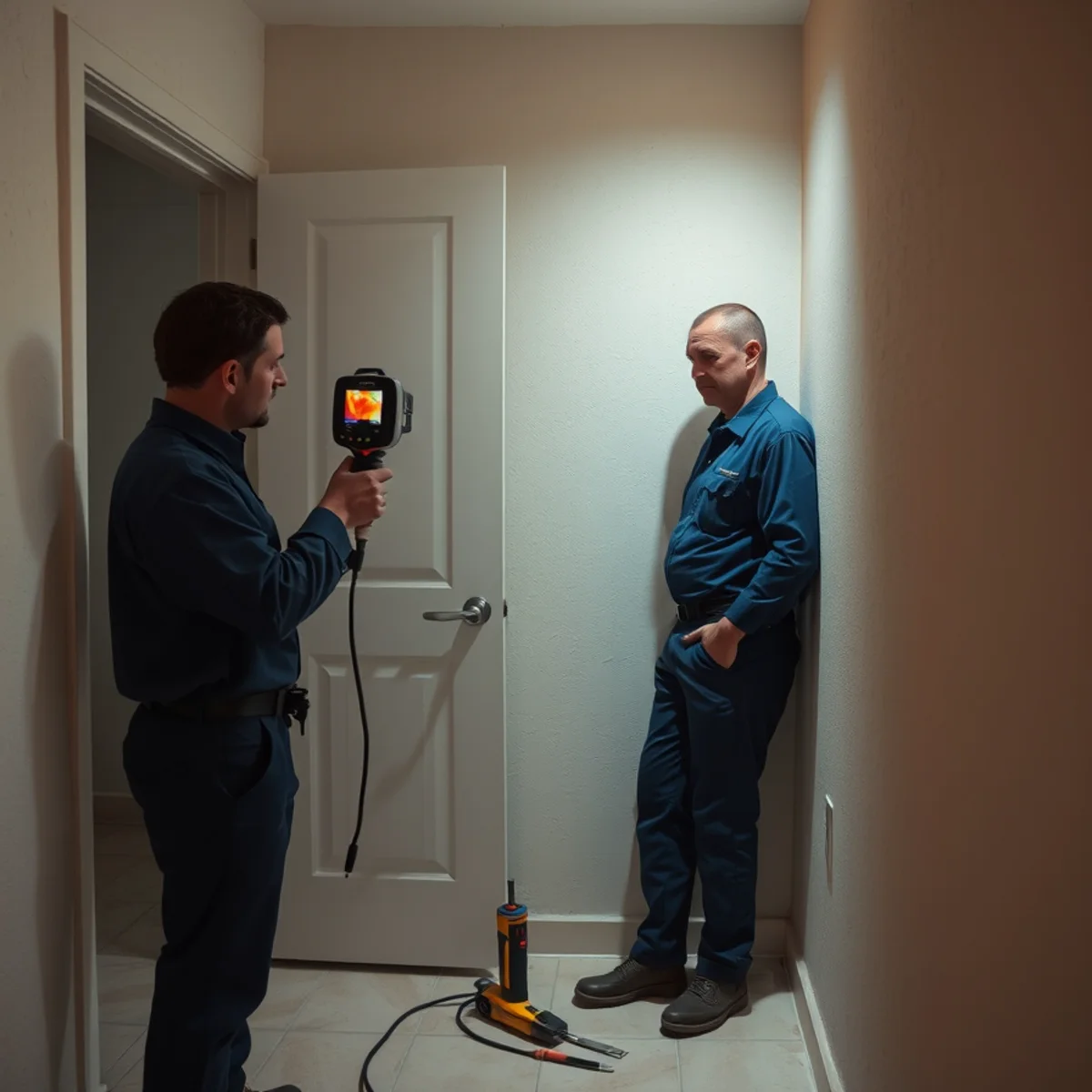
Readings that are not moving day over day usually mean the equipment plan is wrong — undersized dehumidification, poor air mover placement, or a wet cavity that was never opened.
A good technician changes the plan when a reading stalls rather than adding days. Ask what changed if you are told to expect more time.
Conversely, be cautious if equipment comes out early with a verbal assurance rather than readings. Materials that stopped feeling wet but never reached dry standard are exactly how a job comes back as a mold remediation three weeks later.
From the field
What dry standard actually means, and why the calendar is not the measure
Dry standard is a comparison, not an absolute. We take readings in an unaffected area of the same building — same materials, same conditions — and that becomes the reference. Affected materials are dry when they read at or near that reference, which is why the same job takes longer in a humid week than a dry one and why a coastal home takes longer than an inland one on the same day.
What sets the schedule is mostly material density and vapour path. Carpet, pad and open framing dry fast. Plaster, concrete, dense hardwood, tile over a mortar bed and anything inside a closed cavity dry slowly, because the moisture has to travel through the material to a surface before a dehumidifier can do anything with it. That is why specialty equipment — mat systems, cavity injection, desiccant dehumidification — shortens jobs that would otherwise stall.
The honest tradeoff most people meet on day three: the room feels dry, the noise is irritating, and the equipment is still running. Turning it off early is the single most common way a properly scoped job turns into a mold call six weeks later. If a job is genuinely running long, the questions to ask are whether the equipment is sized to the space, whether readings are actually improving day over day, and whether an undiscovered source is still feeding it.
Please do not turn the equipment off at night
Drying is cumulative and the overnight hours are frequently the most productive, because the building is closed and undisturbed. Ask about noise and placement instead.
Improving readings matter more than elapsed days
A log that flattens for two days means something is wrong — undersized equipment, a closed cavity, or a source still running. That is worth raising.
Frequently Asked Questions
How many days will drying equipment be in my house?
Two to four days for a typical residential loss, five to seven if a concrete slab is involved, and seven to twelve if we are saving hardwood with floor-drying mats. The number is set by daily moisture readings against your home's dry standard, not by a calendar.
Can I turn the equipment off at night?
Please do not. Drying works on a moisture gradient — stopping airflow for eight hours lets the surface re-wet from the core of the material, resetting much of the day's progress. If the noise is unmanageable, ask about repositioning units or adding containment to isolate the room.
Will my electricity bill go up?
Yes, noticeably, for the days the equipment runs. It is usually modest relative to the loss and it is frequently reimbursable as part of a covered claim. Keep the bill and give it to your adjuster.
Need help with this in Irvine?
We handle this work every week across Irvine and Orange County. A live dispatcher answers 24/7, gives you an arrival window, and tells you what to do while you wait. Free on-site assessment and written scope before any demolition.
Related services