Problem Solving · 5 min read
Sewage Backing Up Into the Shower: Causes, Health Risks, and Safe Cleanup
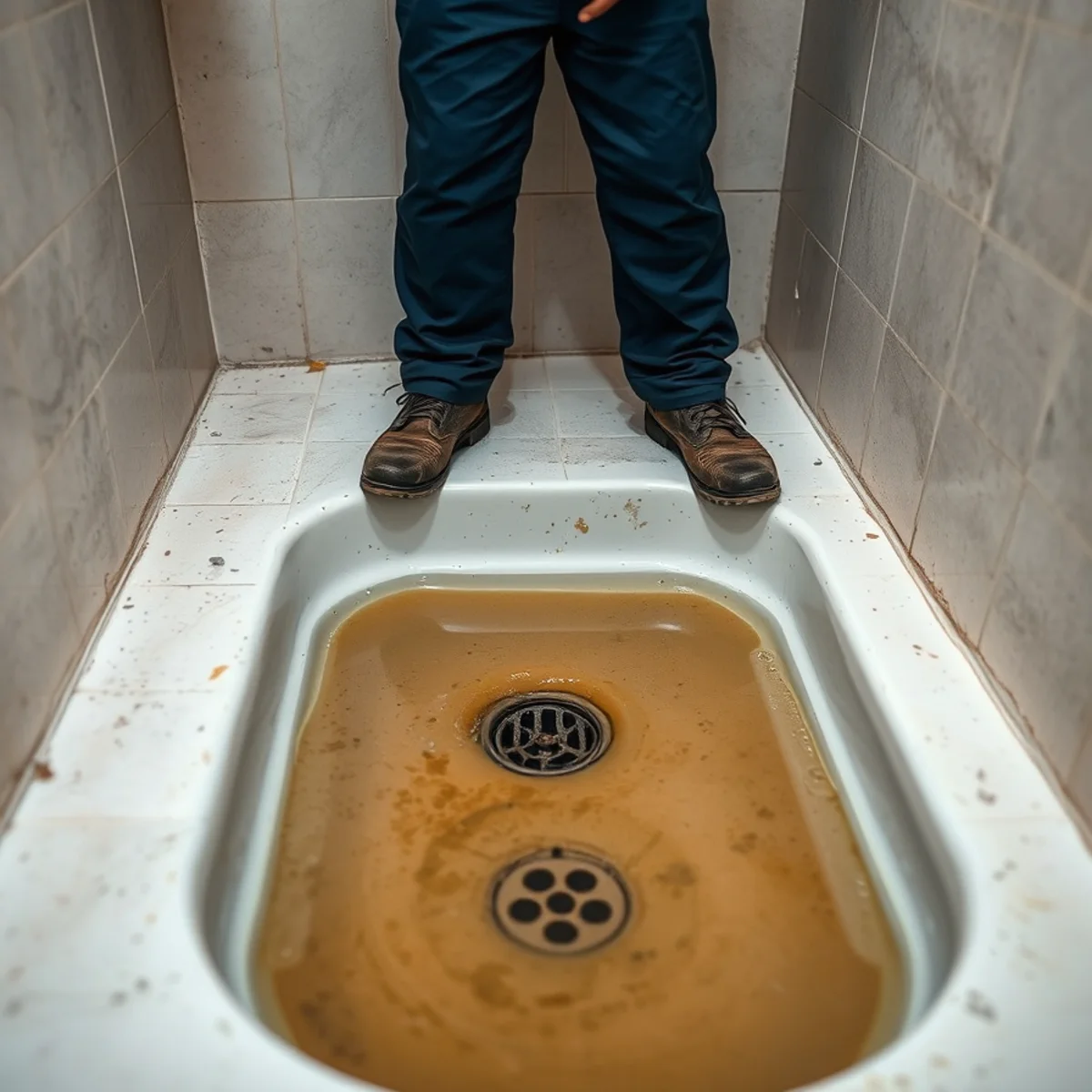
A blocked toilet is a fixture problem. Wastewater in your shower is a main line problem, and it is a health hazard rather than a plumbing inconvenience.
Short answer
Sewage coming up through a shower drain means the main sewer line is blocked, not the shower. The shower is simply the lowest opening in the house, so backed-up waste surfaces there first. Stop using every fixture immediately, keep everyone out of the area, and get a plumber on the line and a Category 3 cleanup crew moving.
Plumbing systems drain by gravity, which means when the main line downstream is blocked, wastewater backs up and finds the lowest opening in the house. In most homes that is a ground-floor shower or tub.
So water appearing there is not a shower problem. It is telling you the main line cannot carry waste away, and everything you flush or drain from that point on makes it worse.
Stop Using Water Immediately
Every flush, every sink, every dishwasher cycle and every load of laundry adds volume to a line that already cannot carry it. The house goes on a full water hold — everyone, every fixture — until the blockage is cleared.
This is the most common mistake we see. A family discovers a backup in one bathroom and carries on using the rest of the house, and by the time a plumber arrives the backup has reached three rooms.
What Is Causing It
Root intrusion is the leading cause in older Orange County neighborhoods — Old Towne Orange, downtown Santa Ana, Old Town Tustin, and older parts of Costa Mesa, Fullerton and Placentia. Clay laterals under mature street trees, roots into the joints, and everything that passes catches on them.
In newer areas like most of Irvine, laterals are ABS or PVC that roots cannot penetrate the same way. There the causes shift: bellied lines from soil settlement holding solids at a low spot, grease accumulation in multi-unit buildings, wipes and hygiene products, and shared laterals in attached condo communities where one unit's blockage backs up into whichever unit sits lowest.
On wipes: flushable wipes are not flushable. They are the single most common cause of residential main-line blockage we encounter and the packaging is simply wrong about it.
Standing water right now? Call us before you do anything else.
We are on site within 60 minutes anywhere in Irvine, 24 hours a day.
The Health Risk Is Real and It Is Airborne
Wastewater carries E. coli, salmonella, hepatitis A, giardia and a long list of other pathogens. Under the IICRC S500 standard this is Category 3 water, and the handling requirements exist because the contamination does not stay on the floor.
Keep everyone out of the affected area, including pets. The ingestion dose needed to make someone sick is small and children touch everything.
Shut down the HVAC. Running it pulls contaminated air through the return and distributes it to every room in the house — one of the fastest ways a contained problem becomes a whole-house problem.
What Not to Do
Do not mop it. Mopping aerosolizes pathogens into air you are breathing without a respirator, and it spreads contamination across a wider area on the mop head.
Do not use household bleach as your primary approach. Bleach applied over organic soil is largely neutralized before it disinfects anything — you get the smell of having cleaned without the result. Cleaning must come before disinfecting.
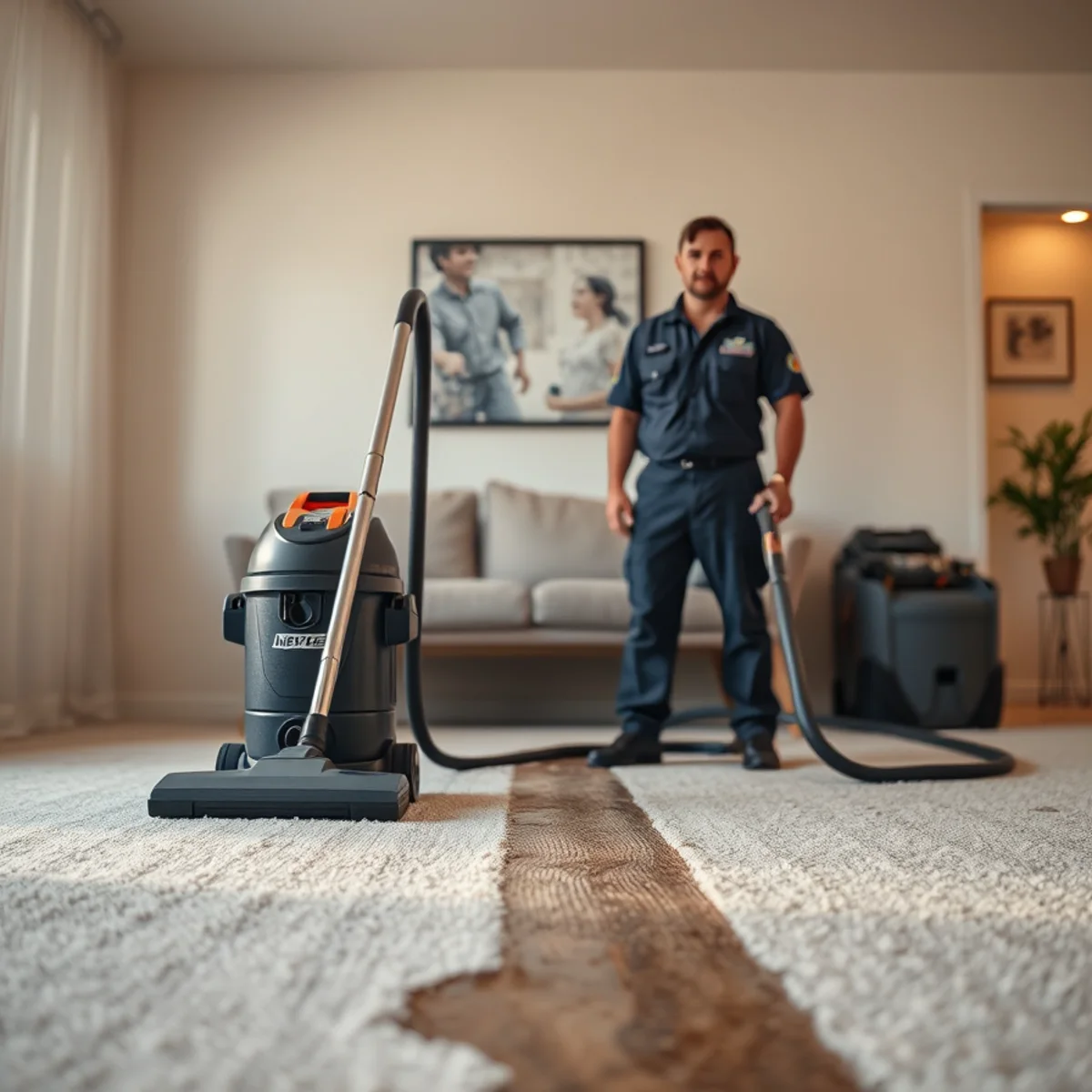
Do not use a household shop vac. Without HEPA filtration it exhausts pathogens straight back into the room.
Do not throw anything away before it is photographed and inventoried, even though your instinct will be to get it out of the house.
What Proper Cleanup Involves
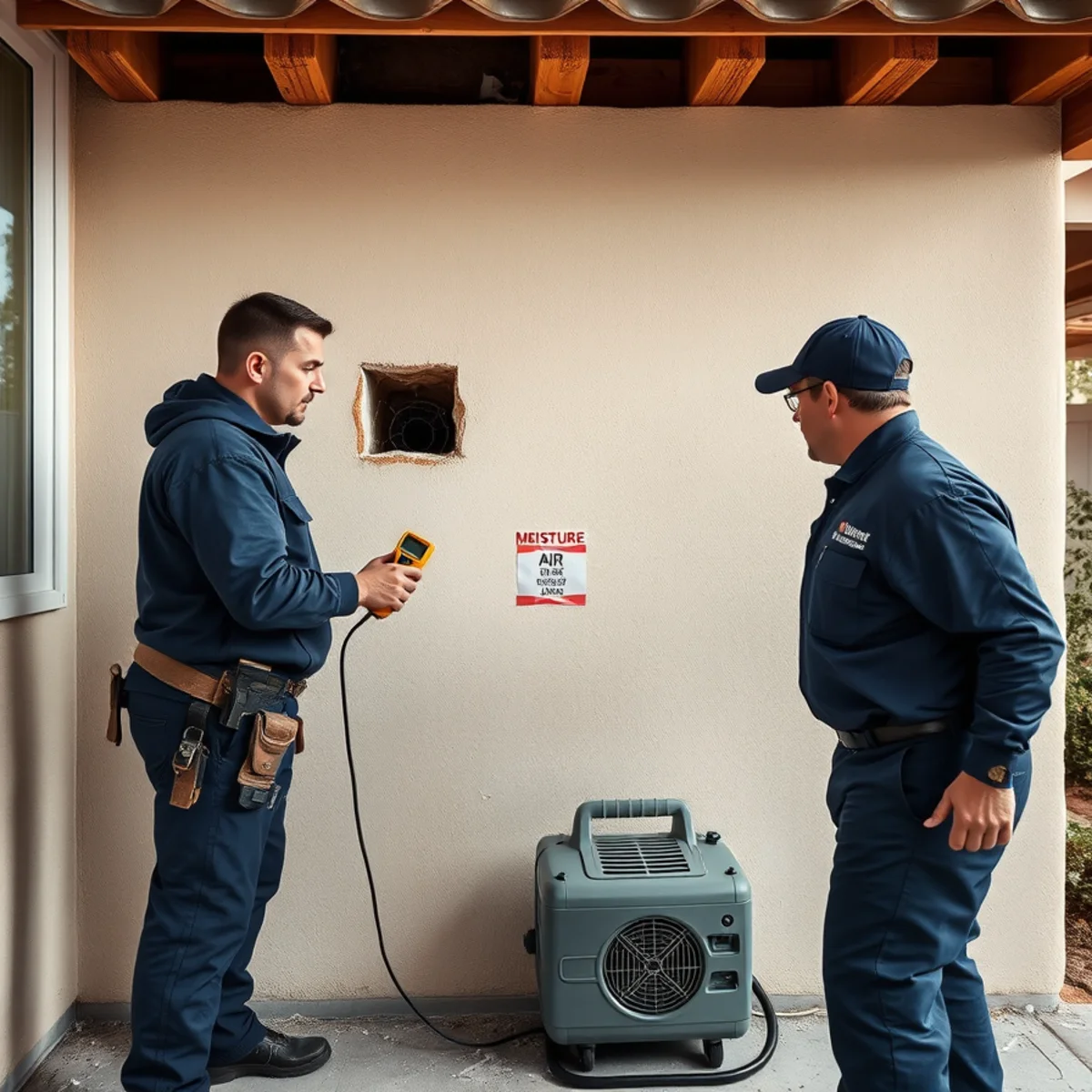
Containment in poly with negative air pressure, so contaminated air cannot migrate. Technicians in full PPE. Extraction of liquid and solids to a sealed holding tank.
Removal and regulated disposal of every porous material that made contact — carpet, pad, drywall to a line above the contamination, insulation, particleboard cabinet bases and absorbent contents.
Cleaning in stages, then an EPA-registered antimicrobial on framing, slab, subfloor and remaining assemblies. HEPA air scrubbers running throughout.
Then drying to standard, and odor addressed at the source — because sewage odor lives in the porous material that absorbed it, and removing that material is what removes the smell.
Preventing the Next One
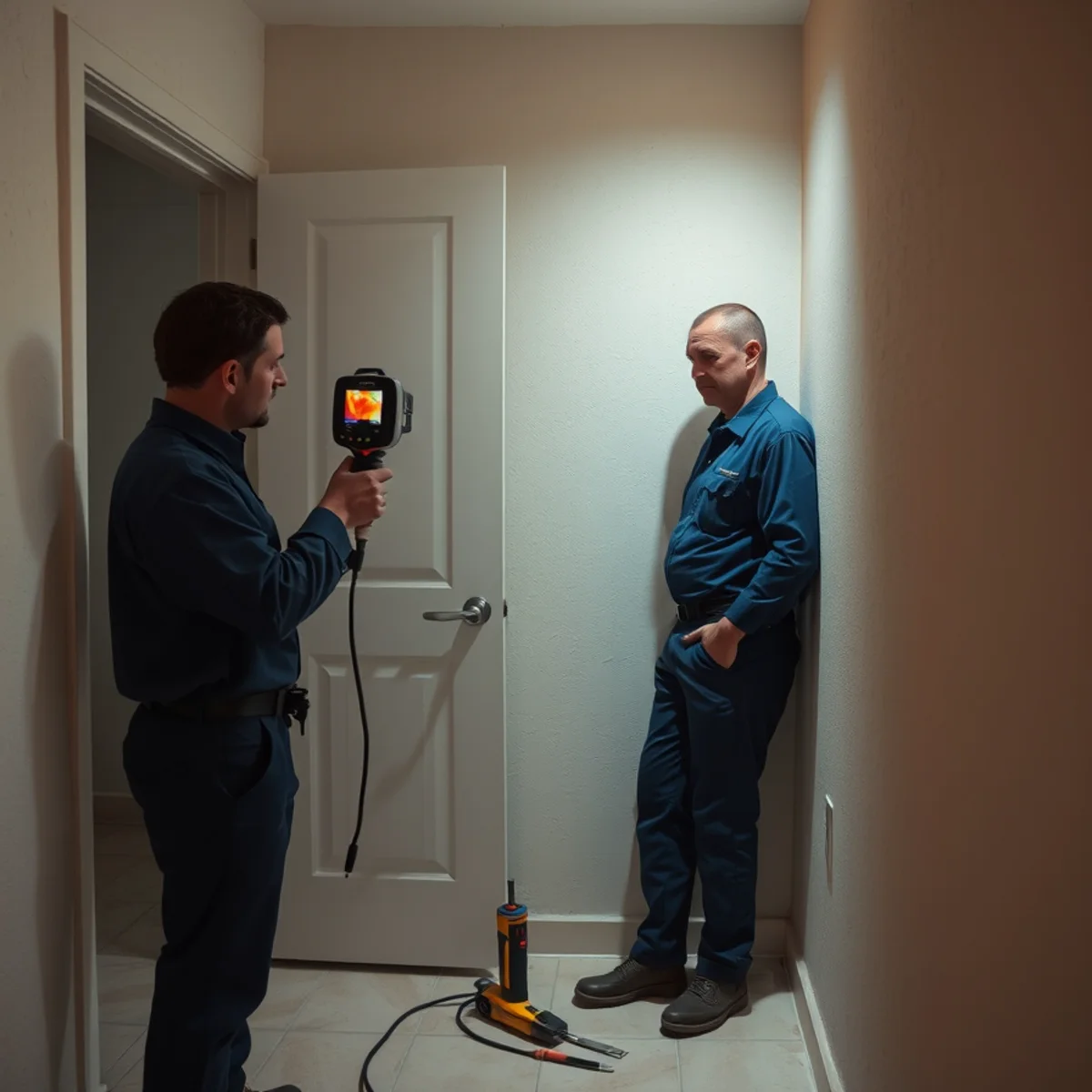
If your backups recur, get a camera inspection. It shows you exactly where the problem is — a root intrusion point, a belly, a crack — and turns a recurring emergency into a planned repair.
For root intrusion in a clay lateral, snaking is temporary. Lining or replacing the lateral is the permanent fix and it is worth pricing.
Never flush wipes, paper towels, hygiene products or cat litter. Never pour cooking grease down a drain — it cools and coats the pipe wall and the effect is cumulative.
And check whether your policy has a water backup of sewers or drains endorsement. It is not standard, it is inexpensive, and it cannot be added after a backup.
From the field
The health risk is real, and it is partly airborne
The part homeowners underestimate is that sewage exposure is not only about contact. Category 3 water aerosolises during cleanup — anything that splashes, sprays, agitates or vacuums it puts contaminated droplets into the room's air, where they travel well beyond the wet area and settle on surfaces that were never touched. That is why proper cleanup runs under negative air with HEPA scrubbing rather than open windows, and why technicians work in respiratory protection rather than a dust mask.
It is also why we contain before we clean rather than after. The containment barrier exists to stop the cleanup itself from spreading contamination into the rest of the house. A well-intentioned homeowner with a mop and a shop vac frequently ends up with a larger contaminated area than the original backup.
Honest tradeoff on scope: people ask whether the whole bathroom really needs to come apart for water that only reached the floor. Frequently the answer is less than they fear — tile, sealed surfaces and framing clean and stay. What has to go is anything porous the water reached and anything the water got underneath, and the flooring transition into the hallway is the detail that decides how far that extends. We measure it rather than guess.
A recurring backup is a pipe problem
Snaking clears what is in front of it. A camera inspection finds the root intrusion, belly or fractured section that keeps causing it, and that is the actual fix.
Ask your plumber about a backwater valve
On a home with a history of main line backups it prevents the line from reversing into the lowest fixtures, and it is a modest one-time cost.
Frequently Asked Questions
Why is sewage coming up in my shower and not my toilet?
Because the shower drain sits lower than the toilet rim. When a main line is blocked, backed-up wastewater finds the lowest opening in the system, which is almost always a ground-floor shower or tub. It is a reliable indicator that the problem is in the main line rather than at one fixture.
Is the blockage my responsibility or the city's?
Generally, the lateral from your house to the property line is yours and the main beyond that is the city's or the district's. A camera inspection locates it. If several homes on your street are backing up at once, call the city before you call a plumber — that pattern points at the public main.
Can I clean up sewage myself?
We strongly advise against it. It aerosolizes during cleaning, household bleach over organic soil is largely ineffective, and a shop vac without HEPA filtration exhausts pathogens back into the room. If it reached carpet, drywall or cabinetry, it needs containment and professional handling.
Need help with this in Irvine?
We handle this work every week across Irvine and Orange County. A live dispatcher answers 24/7, gives you an arrival window, and tells you what to do while you wait. Free on-site assessment and written scope before any demolition.
Related services