Emergency Guides · 5 min read
How to Find and Shut Off Your Home's Main Water Valve (Before You Ever Need To)
The five minutes you spend finding this today are worth several hundred gallons the day something fails. Do it this weekend.
Short answer
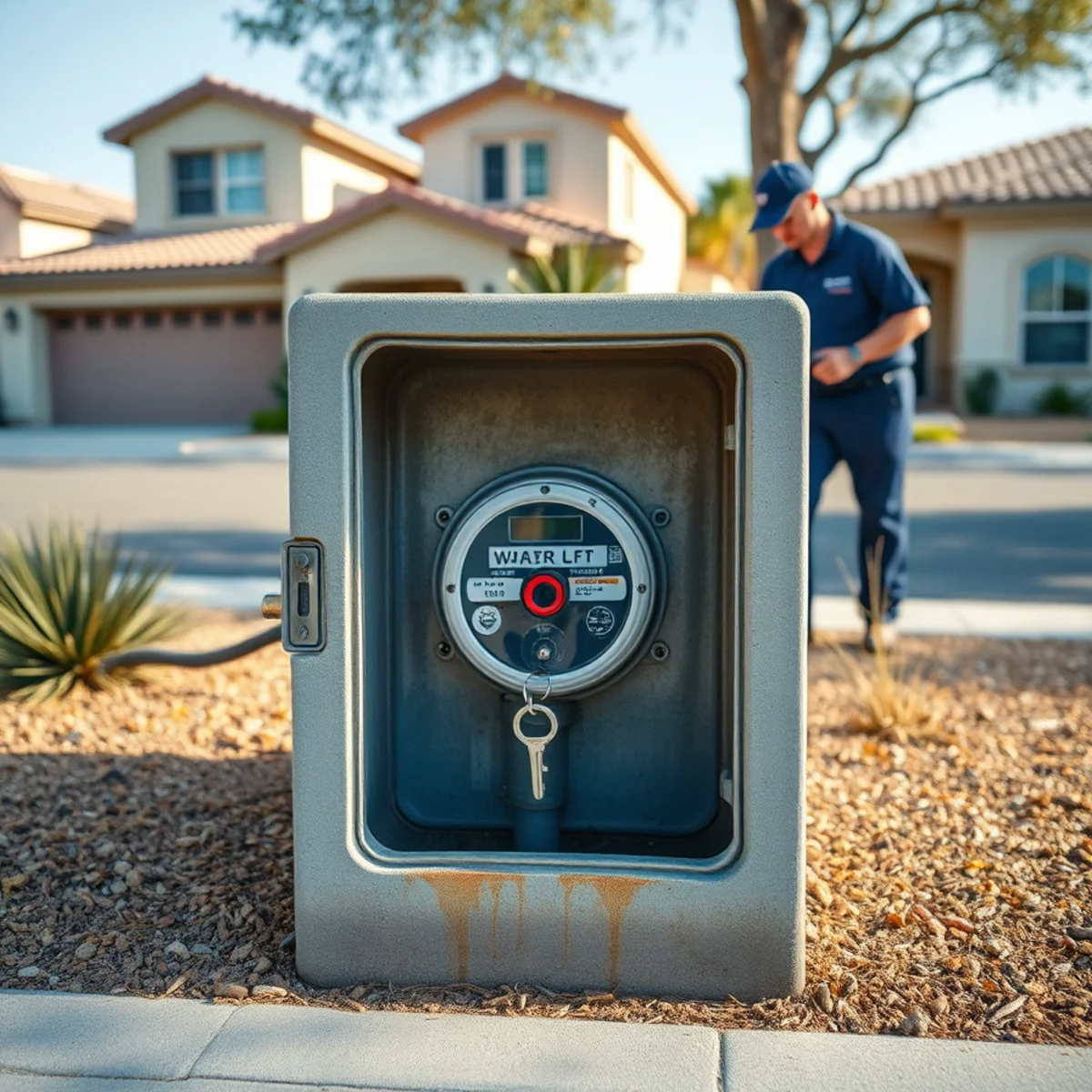
In most Irvine homes the main shut-off is in a concrete meter box at the kerb, or on the exterior wall near the front hose bib. Turn it clockwise until it stops. In condos it is usually in a shared utility closet. Find yours today and test that it actually turns.
Every emergency call we take includes some version of the same conversation: where is my shut-off, and I cannot find it. Every minute of that conversation is another five to eight gallons into the house.
This takes five minutes on a calm Saturday. Go do it, then show whoever else lives there.
Location One: The Curb Meter Box
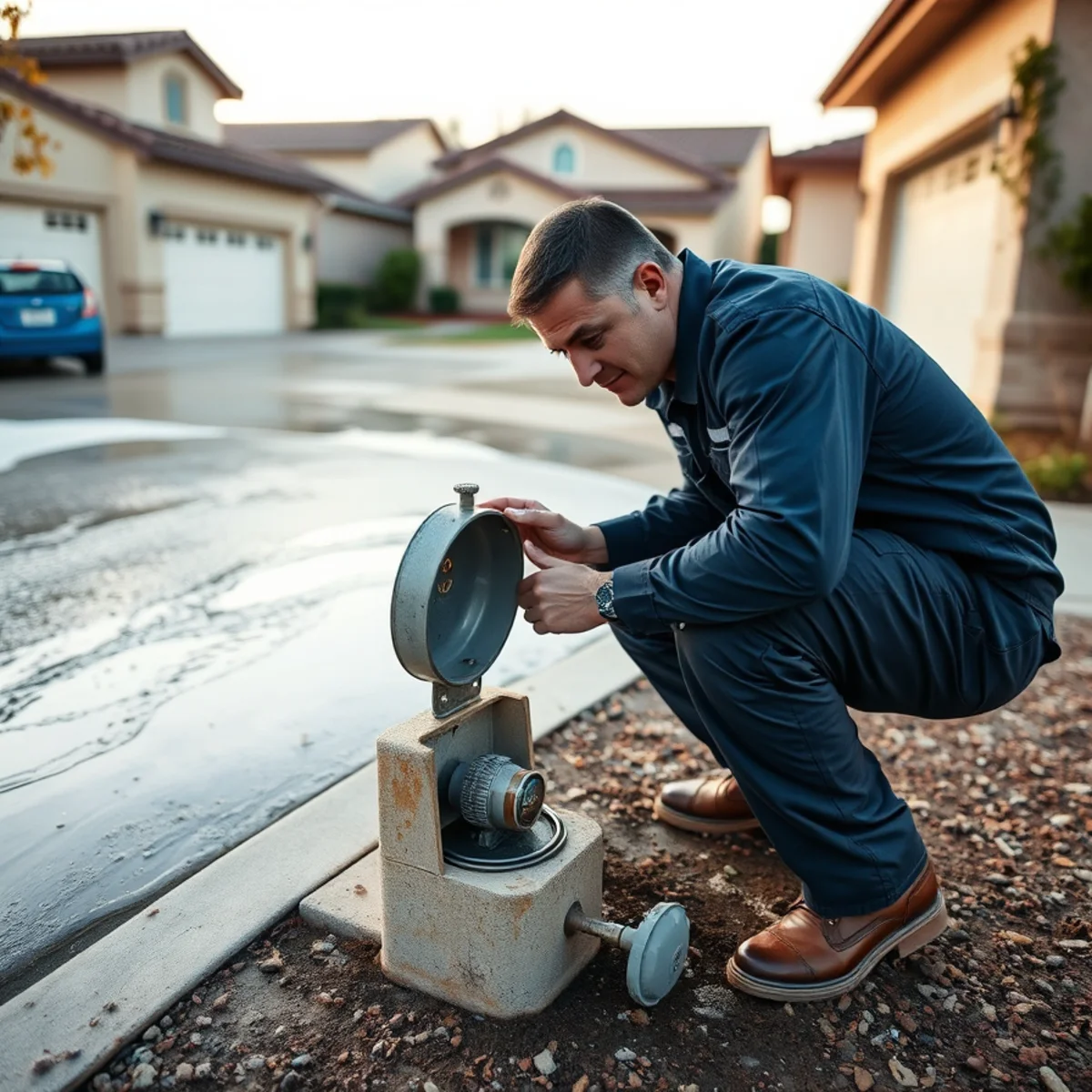
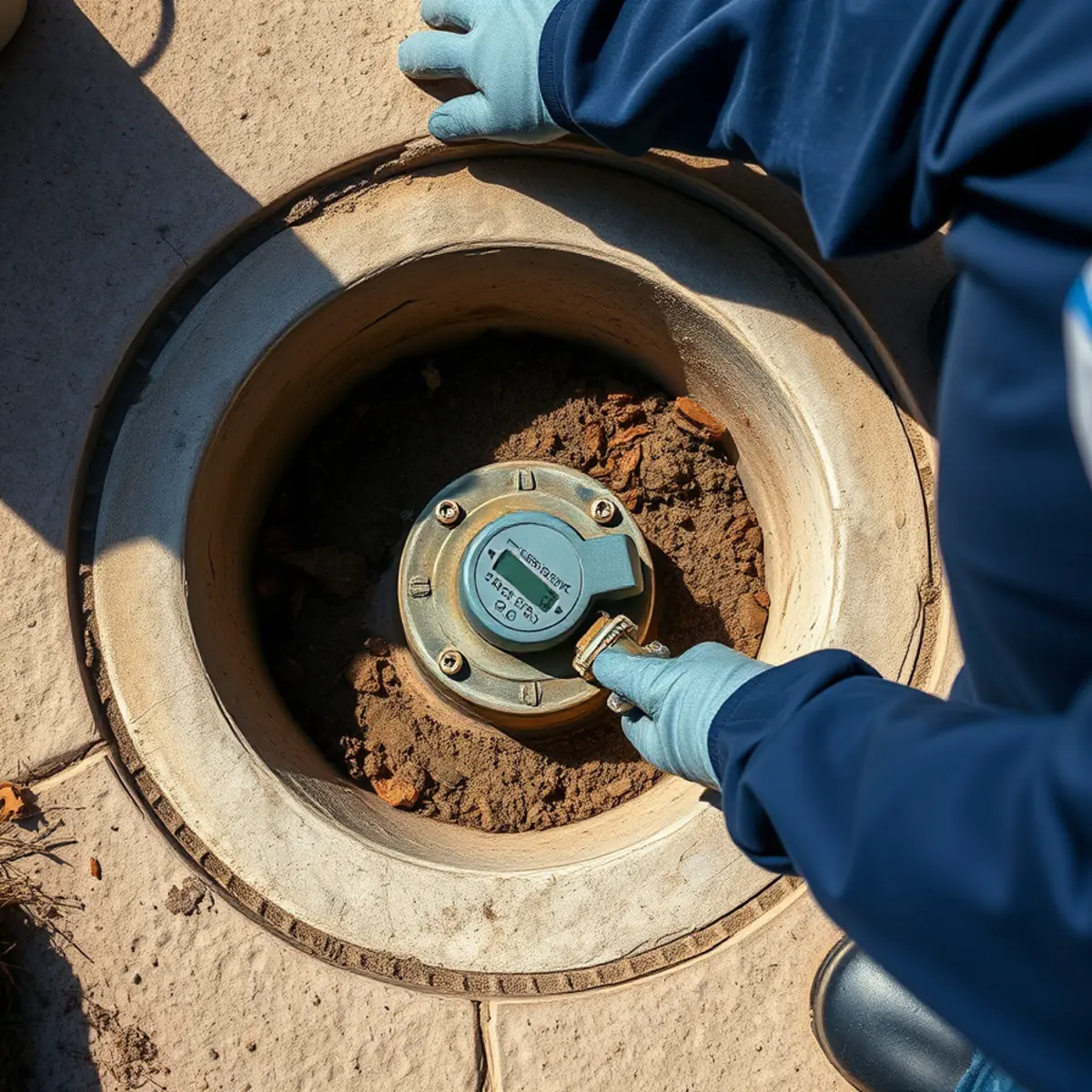
In most Irvine single-family homes, the primary shut-off is at the water meter — a rectangular concrete box set into the parkway or the sidewalk near the street, with a metal or plastic lid.
Lift the lid with a screwdriver in the pry slot. Inside you will find the meter and, on the house side of it, a valve. Some are a lever you rotate a quarter turn; some are a round handle you turn clockwise.
The valve on the street side of the meter belongs to the water district and you should not operate it. Use the one on the house side.
Location Two: The Exterior Wall Valve
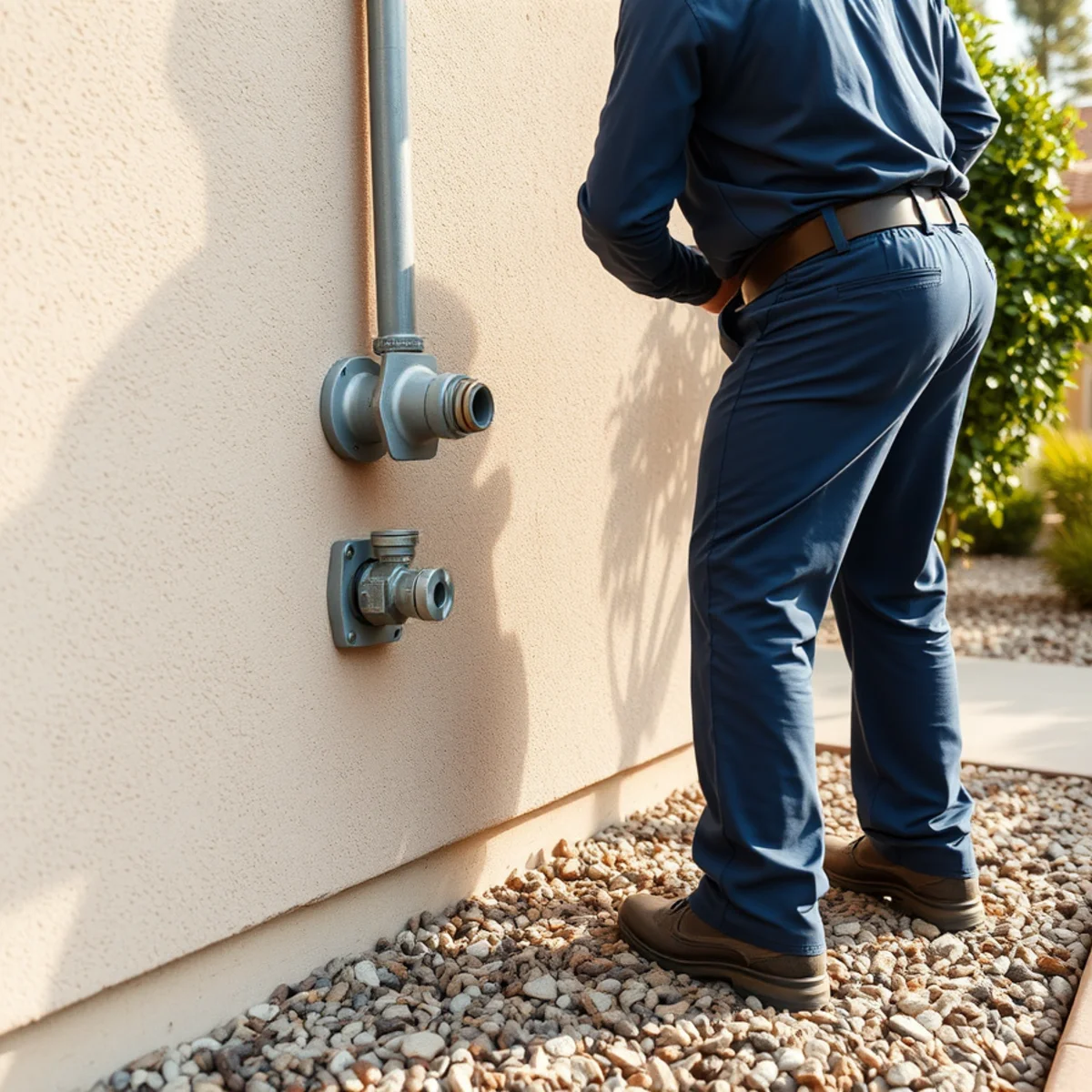
Many homes also have a shut-off where the supply line enters the house — typically on the exterior wall on the street-facing side, often within a few feet of the front hose bib.
This is usually the faster one to reach in an emergency. It might be a lever or a round handle, and it might be behind a shrub that has grown over it in the last decade. Clear the access now.
Standing water right now? Call us before you do anything else.
We are on site within 60 minutes anywhere in Irvine, 24 hours a day.
Location Three: Condos and Attached Homes
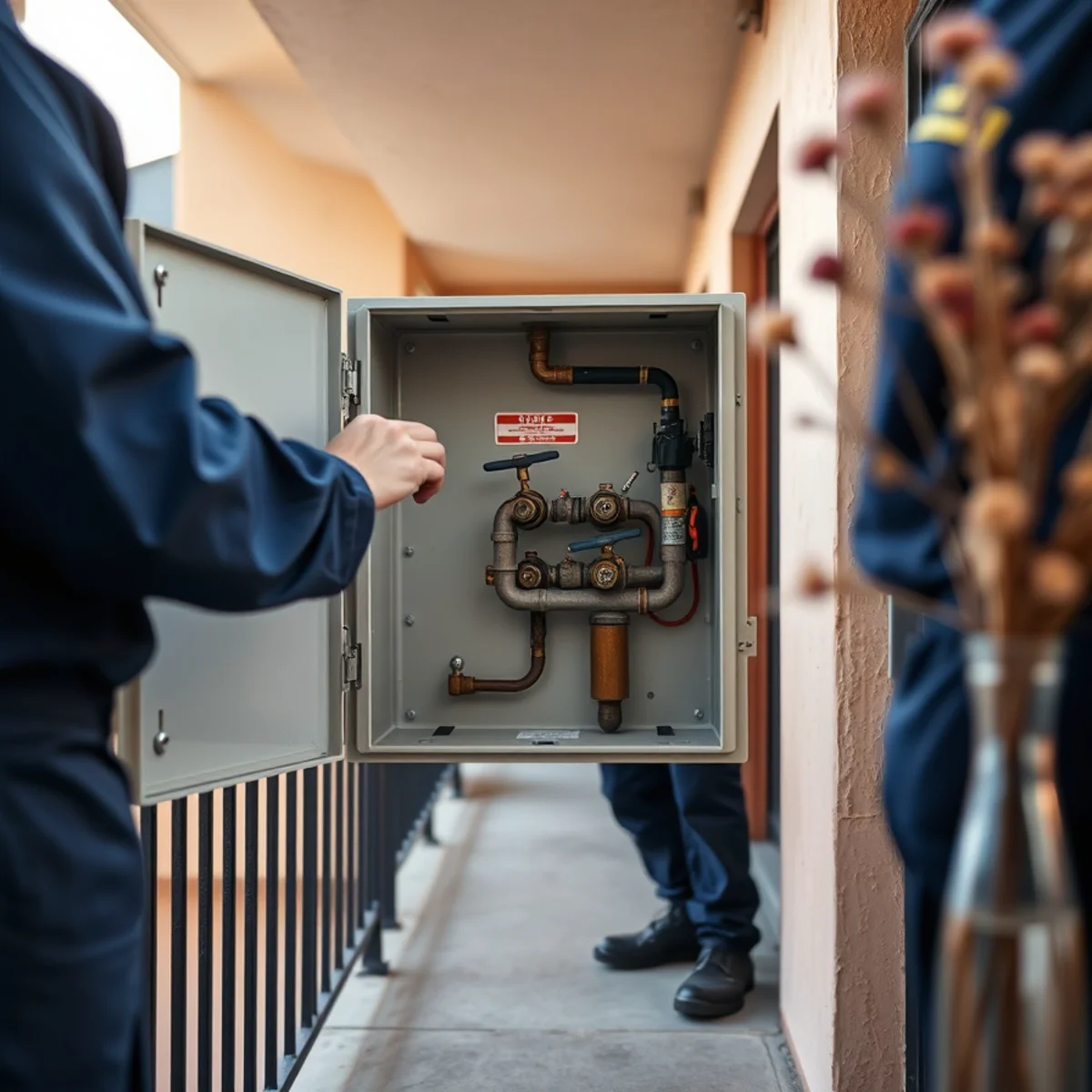
Attached housing usually has a unit-level shut-off separate from the building's. Common locations are a hallway or laundry closet, a utility panel on an exterior wall or balcony, or a shared mechanical closet on your floor.
If you genuinely cannot find yours, ask your HOA or property manager — they will know, and the time to ask is not while water is running. In a stacked building, knowing your unit shut-off is also what stops your problem from becoming three neighbors' problem.
Test It, Because a Valve You Cannot Turn Is Not a Shut-Off
This is the part most people skip and it is the part that matters. Valves that have not been operated in fifteen or twenty years seize from hard-water scale and corrosion. Orange County's water makes this worse than it is in most markets.
So actually turn it. Close it fully, confirm a tap inside the house runs dry, then reopen it fully. If it will not move, or if it moves but does not stop the flow, get it replaced. A seized main shut-off is a real and fixable liability.
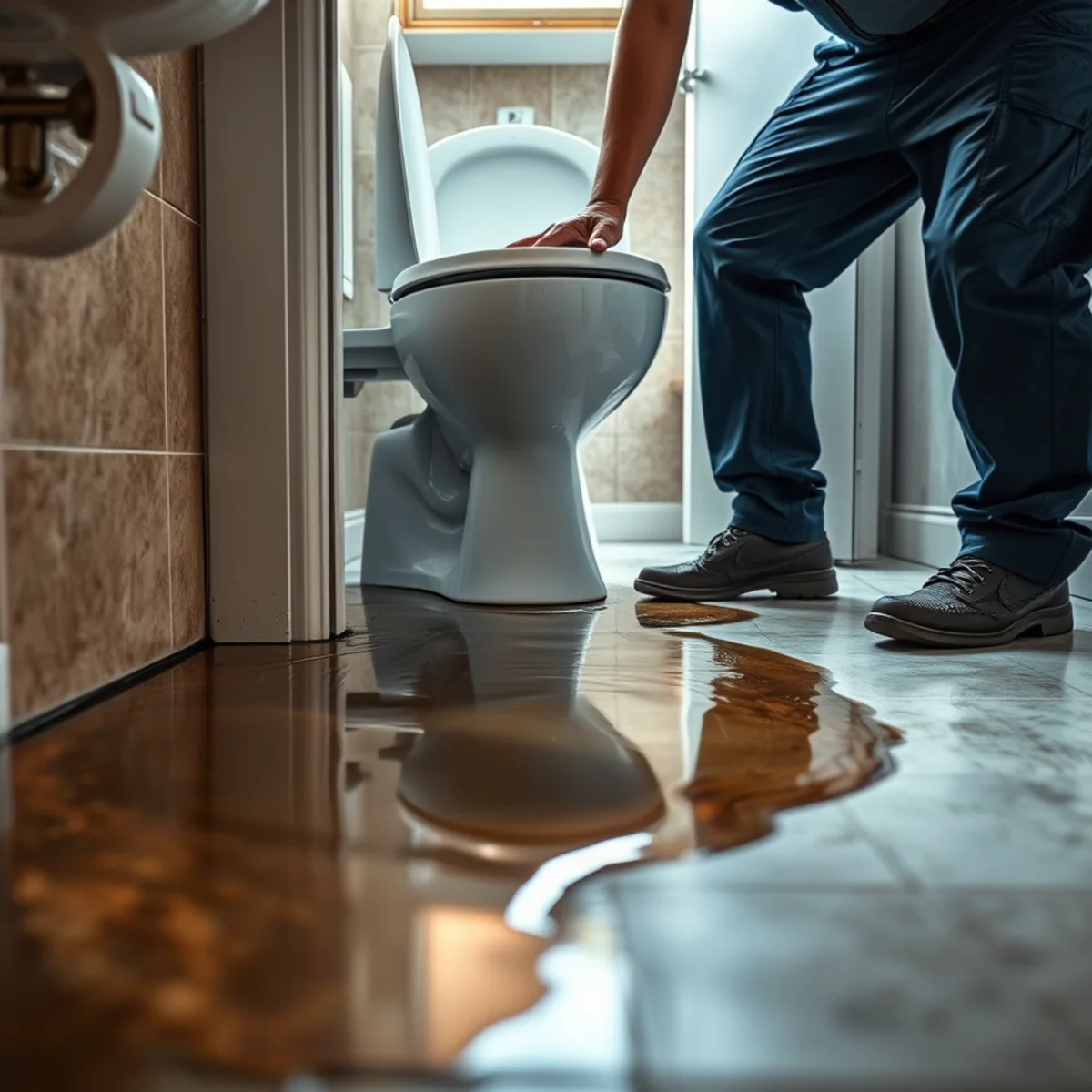
While you are at it, do the same for every angle stop in the house — behind toilets, under sinks, behind the washer. Those seize just as readily and they are what you will actually reach for on a fixture failure.
Get the Tool You Will Need
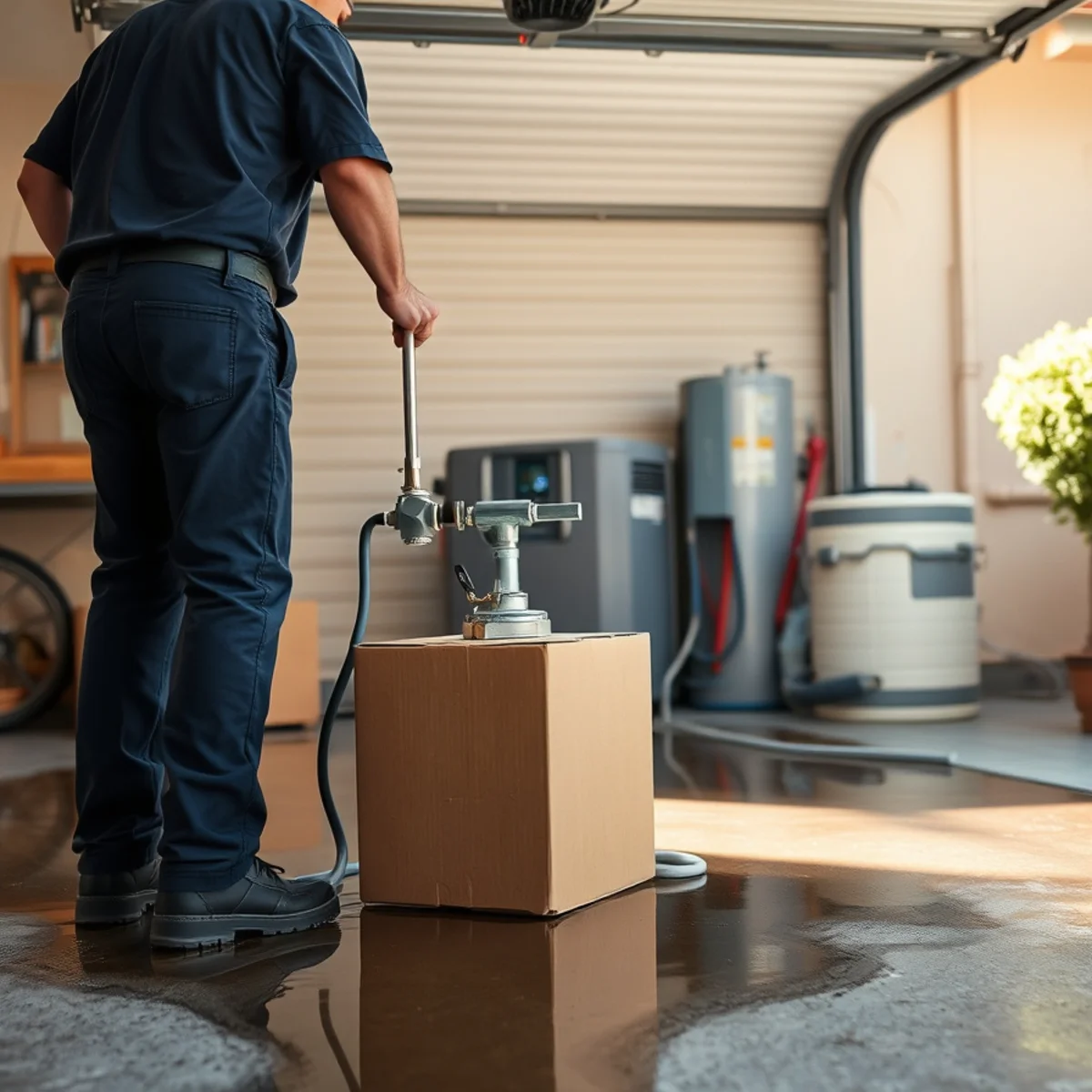
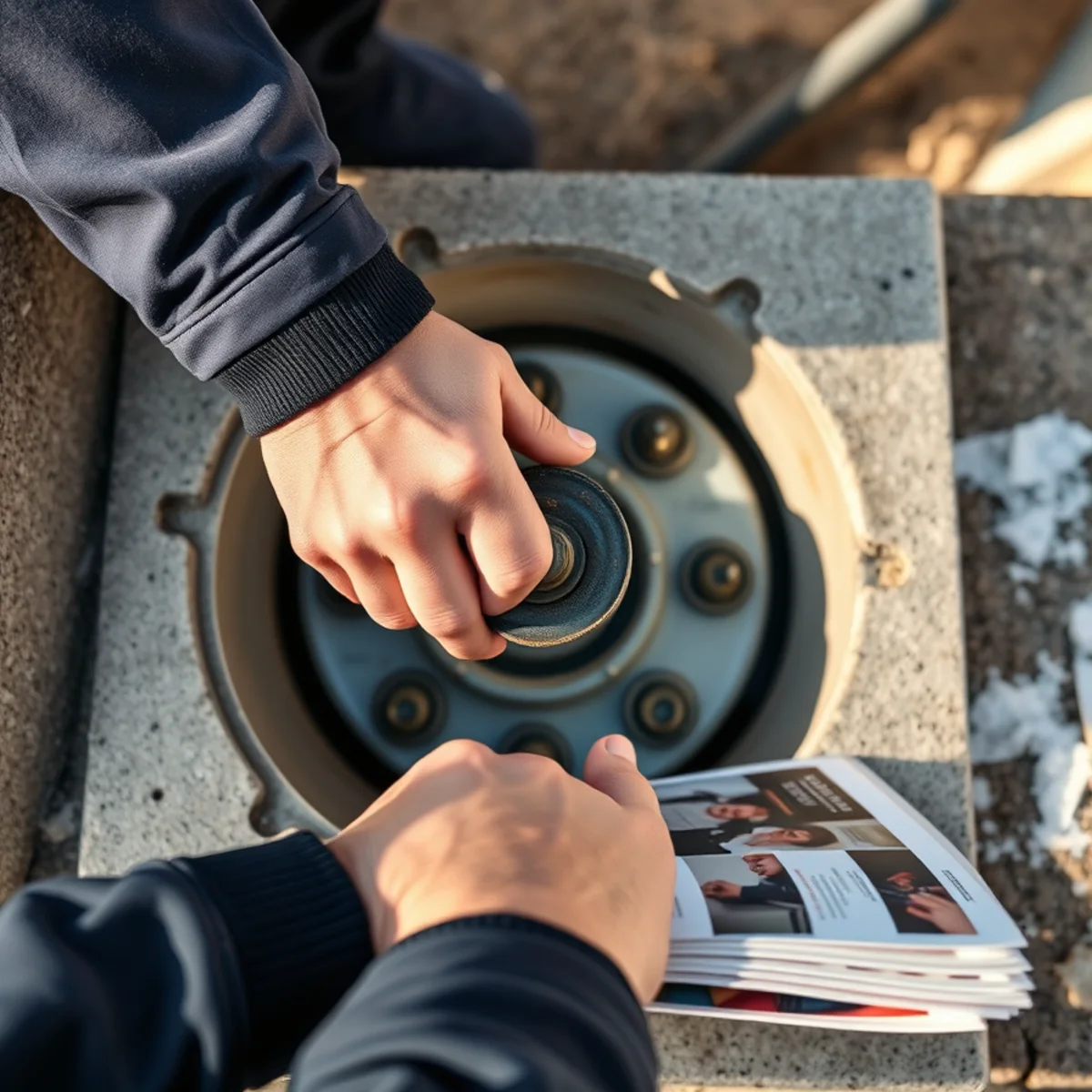
Some curb valves need a meter key — an inexpensive T-shaped tool sold at any hardware store. A large adjustable wrench works on many of them but not all.
Buy the meter key, put it somewhere you will remember, and do not lend it out. Ten dollars and a hook in the garage.
Then Consider Removing Yourself From the Equation
The best version of this is not needing to run outside at all. An automatic shut-off valve installed at the main monitors flow and closes when it detects a continuous pattern that looks like a break rather than normal household use.
They are not cheap, and some California carriers offer a premium credit for having one, which changes the math. For a home that sits empty during the day, or a rental, or a second property, they are among the best value protections available.
Point-of-use water sensors are the inexpensive version: under every sink, behind each toilet, at the water heater and behind the washer. They text you within a minute. Nearly every catastrophic loss we respond to was a small failure that ran for hours or days.
From the field
A valve you have never turned is not a shut-off
The most common failure we see in an emergency is not that people cannot find the valve. It is that they find it and it will not move. Gate valves — the round-handle type in older Irvine homes — seize with mineral scale after years of sitting in one position, and Orange County water is hard enough to do that reliably. When you finally need it, the stem turns a quarter and stops, or worse, the handle spins freely on a stem that has corroded through.
The fix is to exercise it. Twice a year, close it fully and open it fully, then back the handle a quarter turn off hard-open so it does not bind. If it will not close, or it weeps at the stem afterwards, that is worth a plumber replacing it with a quarter-turn ball valve — those close in ninety degrees and do not seize the same way.
The honest limitation of any of this: a main shut-off stops water coming into the house, not the water already in the pipes. On a second-floor break, everything above the valve still drains out. That is why opening the lowest fixture in the house after you close the main is worth the ten seconds — it gives the remaining water somewhere to go that is not your ceiling.
Buy a meter key and keep it where you will find it
A five-dollar T-handle key. A screwdriver and a pair of pliers on a kerb valve in the dark is how people give up and wait for the fire department.
Photograph the valve and text it to the household
Everyone who lives there should know where it is without being talked through it at two in the morning.
Frequently Asked Questions
Which way do I turn a water shut-off valve?
Clockwise to close, on a round handle — righty tighty. A lever-style valve closes when the handle is perpendicular to the pipe and is open when it is parallel. If a round handle will not turn, do not force it with a cheater bar; you can snap the stem and make things considerably worse.
What if my main shut-off will not close?
Call your water district's emergency line — they can shut off at the street side of the meter. Then have a plumber replace the valve, because a shut-off that will not close is a liability every day you own the house. Testing it once a year is what prevents that discovery happening during a flood.
Do I have a shut-off inside my house?
In most Orange County homes, no — slab construction means the supply comes up through the slab and there is no interior main valve. Your options are the curb meter box, an exterior wall valve, and individual fixture angle stops. In condos and attached homes there is usually a unit shut-off in a closet or utility panel.
Need help with this in Irvine?
We handle this work every week across Irvine and Orange County. A live dispatcher answers 24/7, gives you an arrival window, and tells you what to do while you wait. Free on-site assessment and written scope before any demolition.
Related services