Problem Solving · 5 min read
Why Your House Still Smells Musty After the Water "Dried"
That smell is microbial VOCs — the byproducts of active growth. It is not a leftover odor. It means something is still growing.
Short answer
A musty smell after the water is gone means something porous is still holding moisture — most often carpet pad, wall cavity insulation, subfloor beneath a finished floor, or the HVAC system. The smell is microbial growth producing gas. Air freshener, ozone and repainting mask it; only finding and drying the wet material removes it.
A musty smell is not a memory of the water. It is a live signal. That earthy odor is microbial volatile organic compounds — literally the metabolic byproducts of active fungal growth — and if you can smell it, something is currently growing somewhere.
The good news is that the smell tells you it is there long before you can see it, which is a real advantage if you act on it.
The Most Likely Places
A wall cavity that was never opened. If a wall got wet and nobody removed the base and vented the cavity, air never moved through it and the framing and the back of the drywall stayed damp.
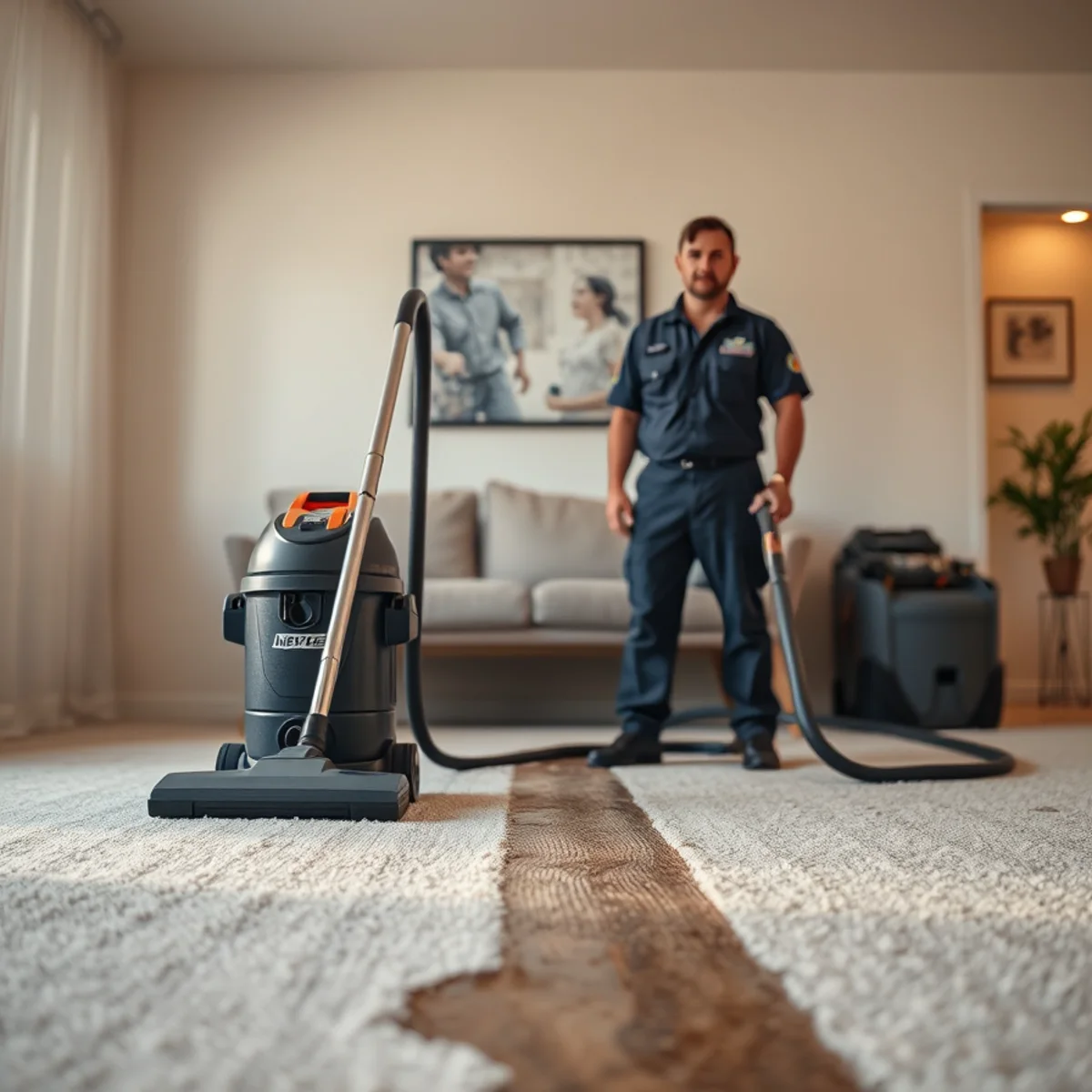
Carpet pad that was surface-dried but never deep-extracted. The face felt dry, the pad did not.
Insulation in an exterior wall or attic. Saturated fiberglass does not dry in place and holds moisture against everything it touches.
Under vinyl plank or sheet flooring, where the material itself is waterproof so moisture is trapped against the slab with nowhere to go.
Inside cabinet toe-kicks, which are enclosed, unventilated and made of particleboard.
Why the Smell Comes and Goes
Growth produces more MVOCs when conditions favor it, so the odor strengthens on humid days and after rain.
If it gets noticeably stronger when the HVAC kicks on, the air handler is pulling across something damp — which usually means the growth is in a return path, in ductwork, or in the attic near the air handler.
If it is strongest in one room, in a closet, or near a floor vent, that is your starting point. Closets on exterior walls are a classic location because they are unventilated and often colder than the room.
Standing water right now? Call us before you do anything else.
We are on site within 60 minutes anywhere in Irvine, 24 hours a day.
What Will Not Fix It
Air fresheners, candles and plug-ins mask it for hours. Ozone generators and fogging treat the air rather than the material, so the smell returns once the treatment stops — usually on the next humid day.
Bleach on a visible surface kills what it touches and does not reach the material behind. On porous surfaces it is largely ineffective anyway.
Painting over a stained area traps moisture against the gypsum, which is the opposite of helpful.
None of these are scams exactly — they all have a legitimate role as finishing steps after the source is removed. As primary treatments they fail.
What Actually Fixes It
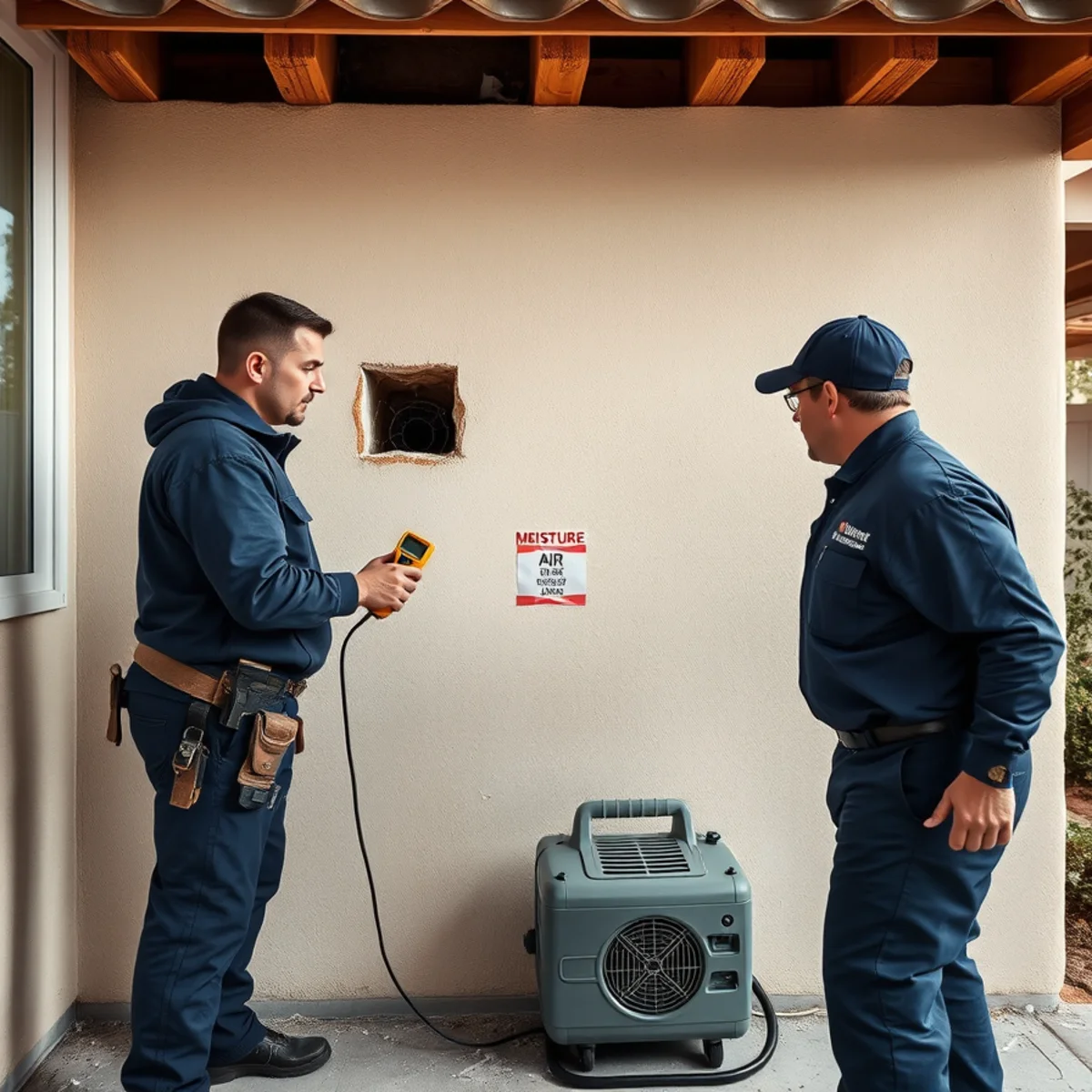
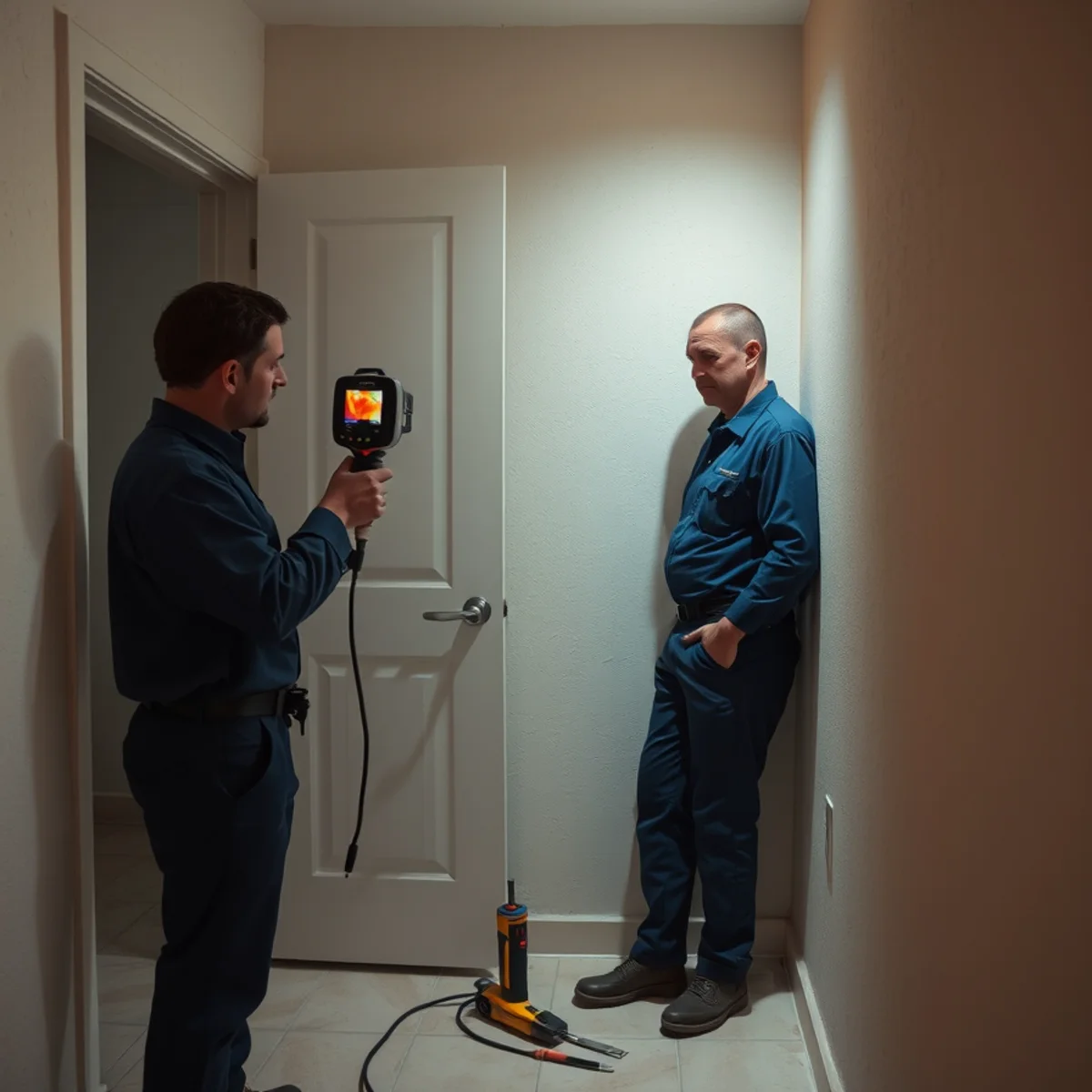
Find the moisture. A moisture meter and a thermal camera in the hands of someone who knows where to look will locate a damp assembly in an hour.
Open it, remove what is holding water — insulation, pad, contaminated porous material — and dry the structure to standard with metering.
Remove the material that absorbed the odor. MVOCs live in porous material, so removing it removes the smell. This is the step that is skipped in every failed attempt.
Then, and only then, treat any residual airborne odor with hydroxyl or ozone as a finishing step.
The Irvine-Specific Version of This
Newer villages — Woodbury, Stonegate, Eastwood, Cypress Village, Great Park — are built to tight modern envelope standards, which is excellent for energy bills and removes the incidental air exchange that used to carry moisture out of a building.
That means a damp assembly in a 2015 home stays damp longer than the same assembly in a 1975 home, and odor develops sooner. If you have a musty smell in a newer house, do not dismiss it because the house is new.
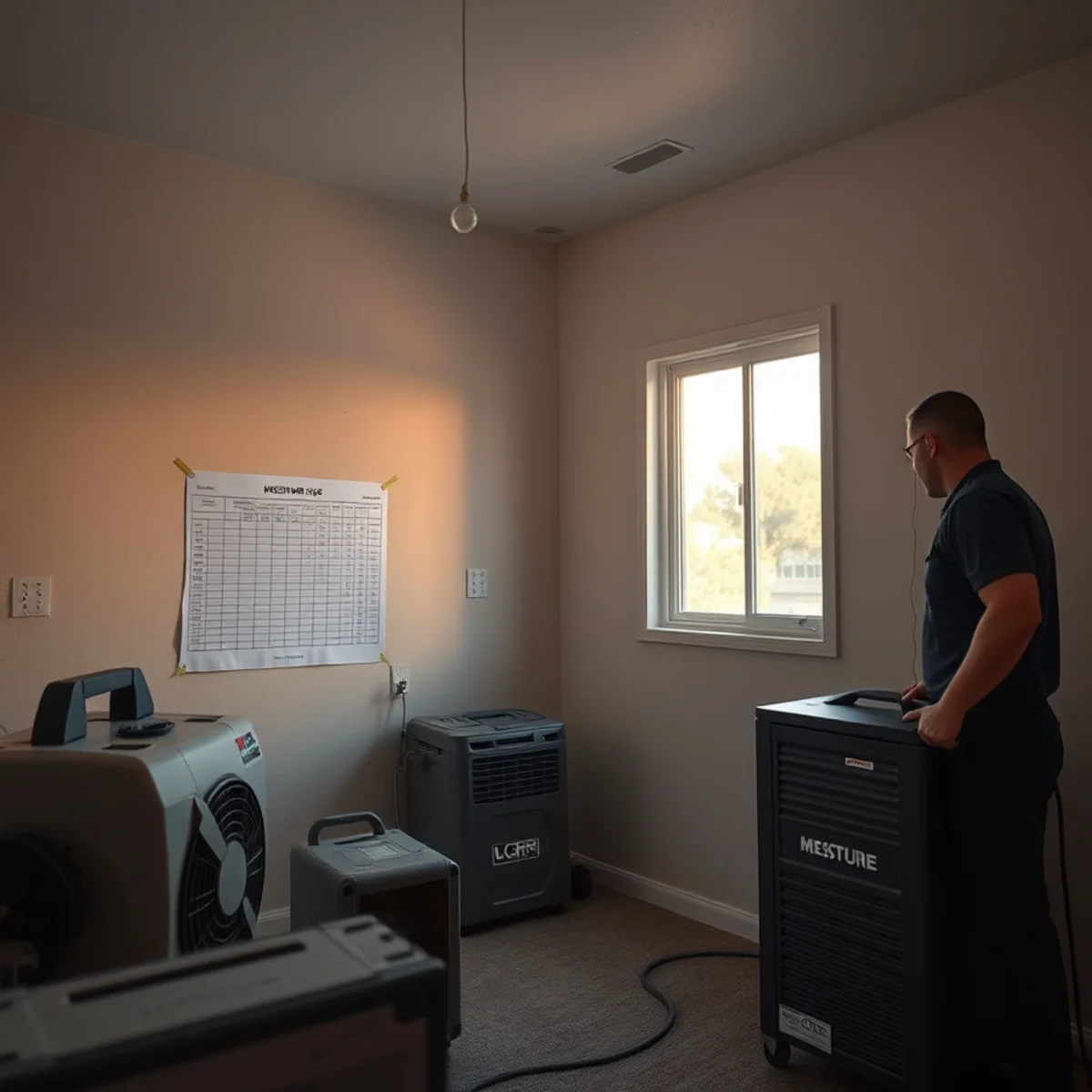
It also means the same tightness that trapped the moisture can trap construction moisture in a brand-new home with no leak at all. We have resolved musty-smell complaints in one-year-old houses with nothing more than ten days of controlled dehumidification.
From the field
Why the smell comes and goes, and what that tells you
Musty odour is produced by microbial activity, and microbial activity responds to temperature and humidity. That is why the smell is strongest on a warm afternoon, in a closed-up house, or when the air conditioning kicks on and pulls air through a wall cavity or a duct. A smell that appears with the HVAC and disappears when it is off is one of the most useful diagnostic signals there is — it means the source is in the airstream: the ducts, the air handler, or a cavity the return is drawing through.
The seasonal version matters in Irvine specifically. A wall that has enough residual moisture to grow will smell in the humid part of the year and go quiet in a dry Santa Ana stretch, which is why people report the problem as solved in October and back in June. It was never solved; the conditions changed.
Honest tradeoff on treatments: ozone and hydroxyl generators genuinely destroy odour molecules, and on a properly dried structure they are a reasonable finishing step. Used instead of finding the wet material, they buy weeks and the smell returns, because the source is still producing. Anyone offering deodorising as the fix without a moisture inspection first is selling you time, not a repair.
Follow it with a meter, not a nose
Odour is diffuse and misleading about location. Moisture readings at the base of walls, under flooring and inside cavities find the source; smell only tells you there is one.
Check the air handler and the pan
A wet or biologically active evaporator coil and drain pan smells through every register in the house, and it is frequently mistaken for a wall problem.
Frequently Asked Questions
Does a musty smell always mean mold?
It means microbial activity — the odor is literally the metabolic byproduct of growth. It might be mold or it might be bacteria, and either way something is wet. It is a reliable signal that moisture is present somewhere you have not found.
Can I get rid of the smell without opening walls?
Not durably. Anything that treats the air rather than the material provides temporary relief and the smell returns, usually on the next humid day. The material holding the moisture and the odor has to be found, dried or removed. Air treatment is a finishing step, not a solution.
How do I find where it is coming from?
Follow the intensity. Note where it is strongest, whether it worsens when the HVAC runs, and whether it tracks humidity or rain. Then get a moisture meter and thermal camera on the suspect areas. Closets on exterior walls, cabinet toe-kicks, under vinyl plank flooring and near floor vents are the usual suspects.
Need help with this in Irvine?
We handle this work every week across Irvine and Orange County. A live dispatcher answers 24/7, gives you an arrival window, and tells you what to do while you wait. Free on-site assessment and written scope before any demolition.
Related services