Problem Solving · 5 min read
How Fast Does Mold Grow After a Leak? Inside the 24–48 Hour Window
Spores are already in every building in Orange County. What they need is water, and the clock starts the moment they get it.
Short answer
Given moisture, an organic food source and normal indoor temperatures, mold spores can begin colonising within 24 to 48 hours and become visible in a few days. That window is why professional drying targets material dry standard within the first few days rather than waiting to see whether something dries out on its own.
Mold spores are present in every building in Orange County right now, and that is normal and unavoidable. They are harmless until they get three things at once: moisture, an organic food source, and a temperature range they like.
Your house already supplies two of them. A leak supplies the third, and that is when the clock starts.
The Actual Timeline
Hours 0 to 24: water is absorbed into materials. No growth yet, but spores are settling into a suitable environment.
Hours 24 to 48: germination begins on wet organic material — the paper facing on drywall, wood framing, carpet backing, insulation. Nothing visible.
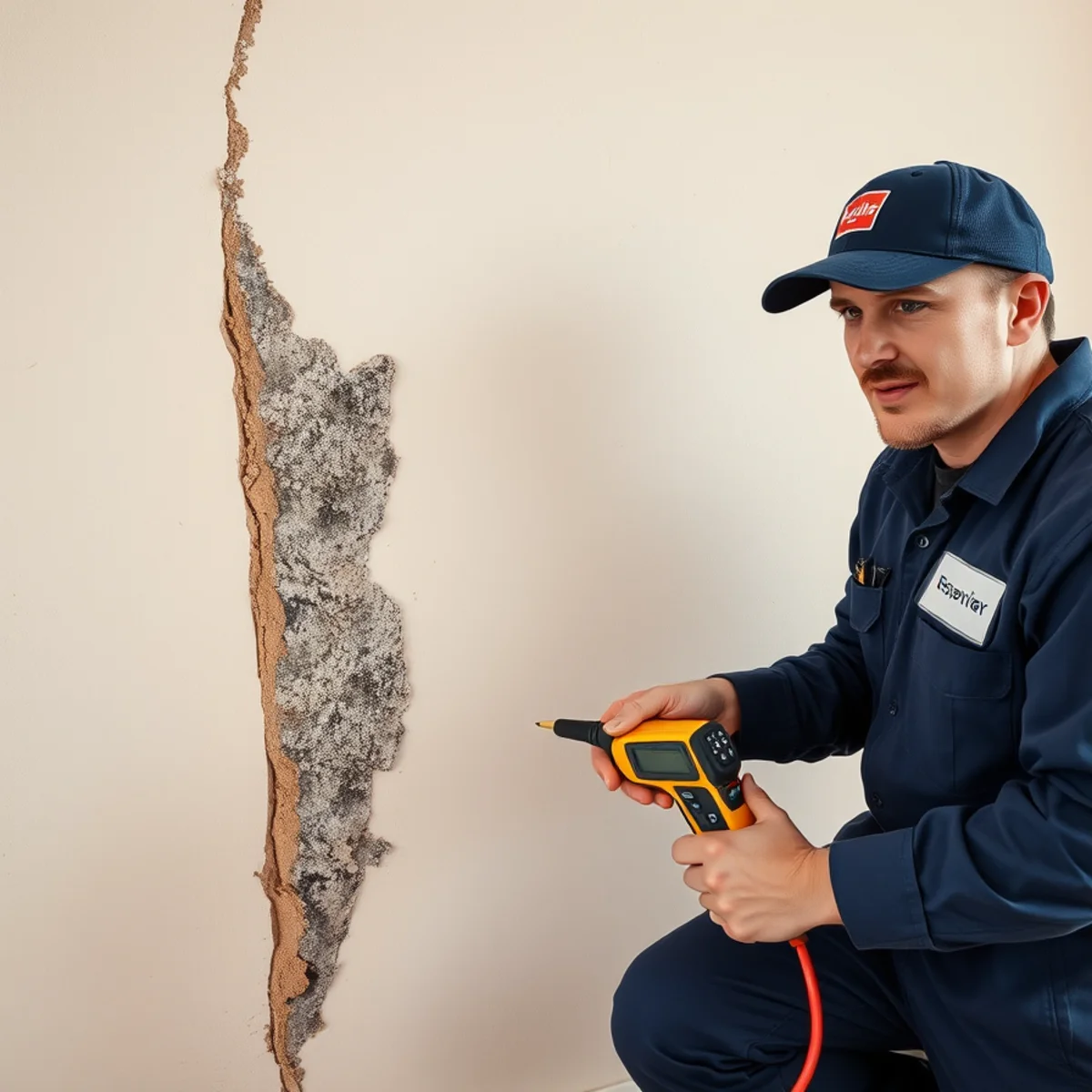
Days 3 to 10: colonies become visible. This is when most homeowners notice something.
Weeks 2 to 3: colonies are established and spreading through the material, and spores are being released into the air.
The commonly cited 24-to-48-hour figure refers to the start of germination, not to visible growth. By the time you can see it, you are well past the point where drying alone would have prevented it.
What Slows It Down and What Speeds It Up
Temperature matters. Growth accelerates in the range most homes are kept at, and Irvine's climate keeps interiors comfortably inside it year round.
Airflow with dehumidification slows it dramatically, because it removes the moisture. Airflow without dehumidification does not — it just relocates the water.
Material matters. Paper-faced drywall, cellulose insulation, carpet backing and MDF are ideal food sources. Concrete, tile and metal are not, though growth will happen on the dust and organic film on their surfaces.
And enclosure matters enormously. An open, ventilated area dries incidentally. An enclosed wall cavity, a crawl space, a cabinet toe-kick or an attic does not.
Standing water right now? Call us before you do anything else.
We are on site within 60 minutes anywhere in Irvine, 24 hours a day.
Why Newer Irvine Homes Are Actually Worse
This surprises people. Homes built to current California energy standards are sealed far tighter than 1970s construction, which is excellent for utility bills and removes the incidental air exchange that used to carry moisture out of a building.
So a wet wall cavity in a 2015 home in Woodbury, Stonegate, Eastwood, Cypress Village or Great Park stays wet noticeably longer than the same cavity in a 1975 Woodbridge home. The mold window arrives sooner in relative terms, and controlled dehumidification matters more, not less.
It also means the instinct to open windows and run fans — which did something in a drafty old house — is close to useless in a tight modern one, and on a marine-layer morning it actively imports moisture.
How to Actually Beat the Window
Extraction within hours. Every gallon vacuumed out is a gallon that does not have to evaporate out of your materials over three days.
Open enclosed assemblies. Remove the base, vent the cavity, pull saturated insulation. Trapped water in an unventilated space is the single most reliable way to grow mold.
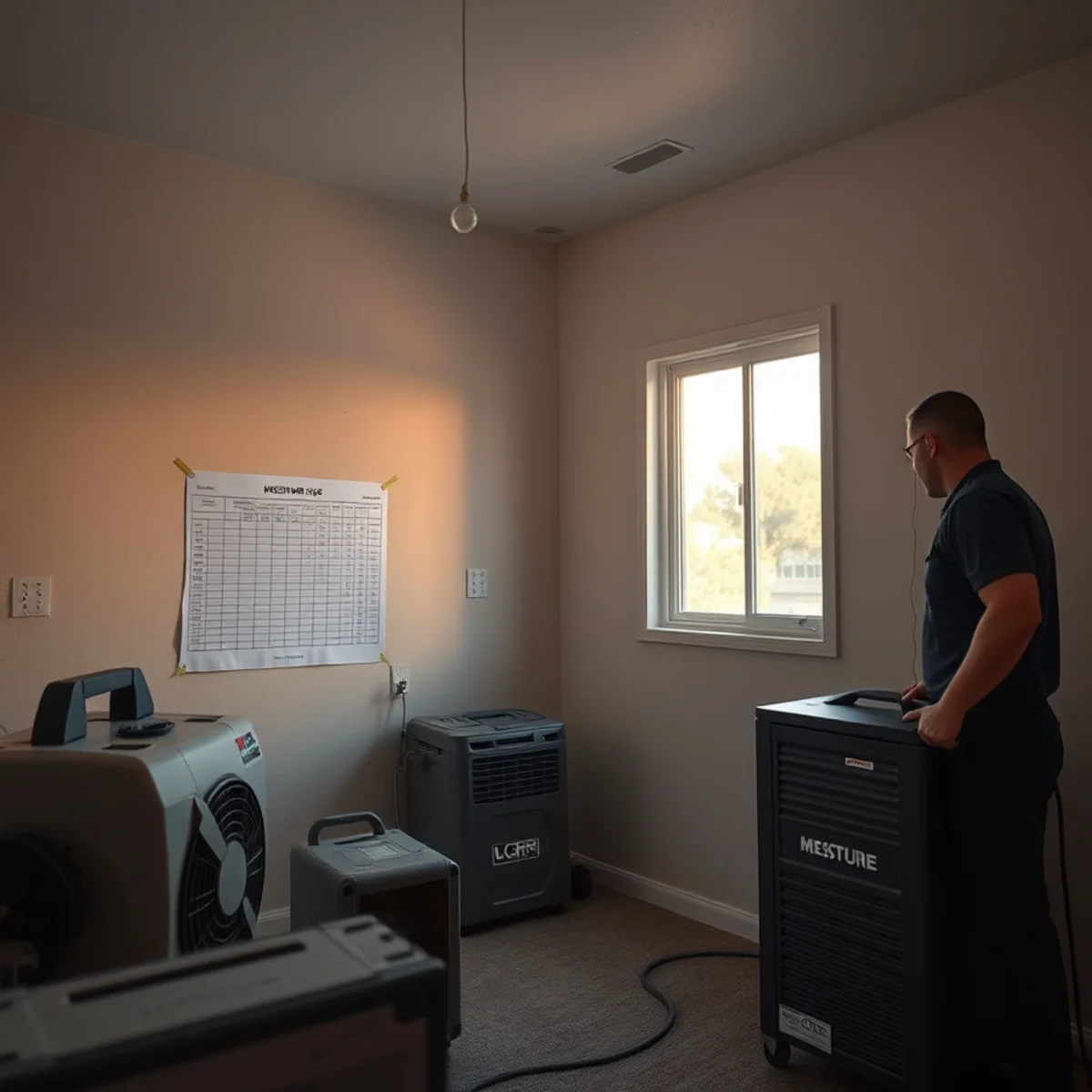
Dehumidify, do not just ventilate. Airflow moves water into the air; a dehumidifier removes it from the building.
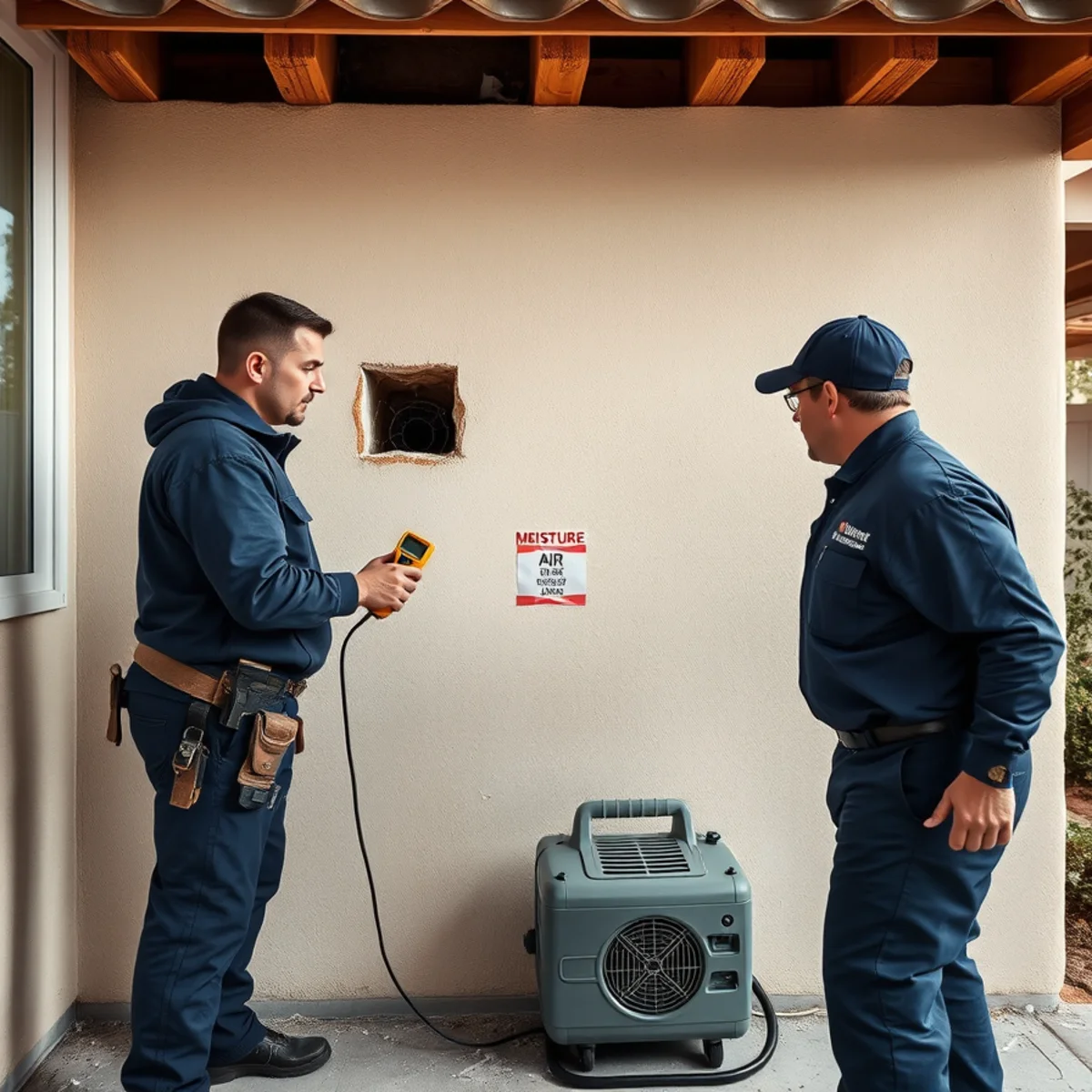
Meter rather than guess. Dry standard is a measurement against unaffected material of the same type, and equipment should not leave until the readings match.
Do all four and a water loss almost never becomes a mold job. Skip any of them and it frequently does.
What It Means for Your Insurance
Most California policies cover mold only when it resulted from a covered sudden water loss, and cap that coverage between $5,000 and $10,000 regardless of your dwelling limit.
Mold from a long-running leak, from chronic humidity or from deferred maintenance is generally excluded outright.
So the 24-to-48-hour window is not only a health issue — it is the difference between a fully covered water claim and a partially covered one with a low cap. Speed is worth real money here.
From the field
Why newer Irvine homes are actually worse at this
Intuition says an older house is more vulnerable. In practice the newer ones are, because the mold window is a function of how long material stays wet, and modern homes built to current California energy standards are sealed far tighter than anything from the 1970s. That envelope is excellent for utility bills and it removes the incidental air exchange that used to carry moisture out of a wet cavity on its own.
So the same cup of water in a 2015 wall cavity stays there noticeably longer than in a 1975 one. Combine that with the fact that a great deal of modern construction is paper-faced gypsum and wood-composite products — all organic food sources — and the newer house reaches the growth threshold sooner despite being in better condition in every other respect.
The honest tradeoff on speed versus certainty: aggressive drying gets you inside the window but it has limits. You cannot force plaster, concrete or a closed insulated cavity dry on a two-day schedule without damaging material or simply failing. Where a cavity cannot be dried fast enough, removing the material is the faster path to a safe result — and saying so on day one is better than billing a week of equipment to reach the same conclusion.
The clock starts when the material got wet, not when you found it
A weekend leak discovered Monday morning is already at hour sixty. That changes the scope, and it is worth telling us on the call.
Insurance leans on this timeline too
Prompt reporting and documented drying support a sudden-and-accidental claim. Growth established over weeks supports the carrier's gradual-damage reading.
Frequently Asked Questions
Will mold definitely grow if my house floods?
Not if the water is extracted and the materials are dried to standard within the first day or two. The 24-to-48-hour figure describes when germination can begin on wet organic material — it is a deadline to beat, not an inevitability. Losses handled quickly rarely become mold jobs.
Can I prevent mold with fans and open windows?
In a modern tight home, largely no. Fans without a dehumidifier move moisture from your materials into your house air, where it condenses somewhere else. And on a coastal marine-layer morning, outdoor humidity can exceed your indoor target, so open windows import moisture. You need dehumidification.
I dried it myself and now I smell something. What happened?
Something retained moisture — most likely a wall cavity that was never opened, carpet pad that was surface-dried, or insulation. That musty smell is microbial VOCs, meaning active growth. Get it metered before it becomes a remediation; a moisture meter and thermal camera will find it in about an hour.
Need help with this in Irvine?
We handle this work every week across Irvine and Orange County. A live dispatcher answers 24/7, gives you an arrival window, and tells you what to do while you wait. Free on-site assessment and written scope before any demolition.
Related services