Cost & Insurance · 6 min read
What Drives Mold Remediation Costs Up (or Down) in an Orange County Home
The mold removal is often the smaller half. Fixing what put water there — and rebuilding after — is usually the larger one.
Short answer
Scale sets the baseline, but the variables that actually move an Orange County mold estimate are containment complexity, whether the affected material is porous enough to require removal rather than cleaning, and whether the HVAC system is involved. HVAC contamination is a step change, not an increment — it turns a room-sized job into a whole-house one.
Mold remediation pricing varies more than almost any other restoration service, and the reason is that two jobs with the same square footage of growth can have completely different scopes underneath.
Here is what actually moves the number, and the part of the estimate people consistently underweight.
Scale Sets the Baseline
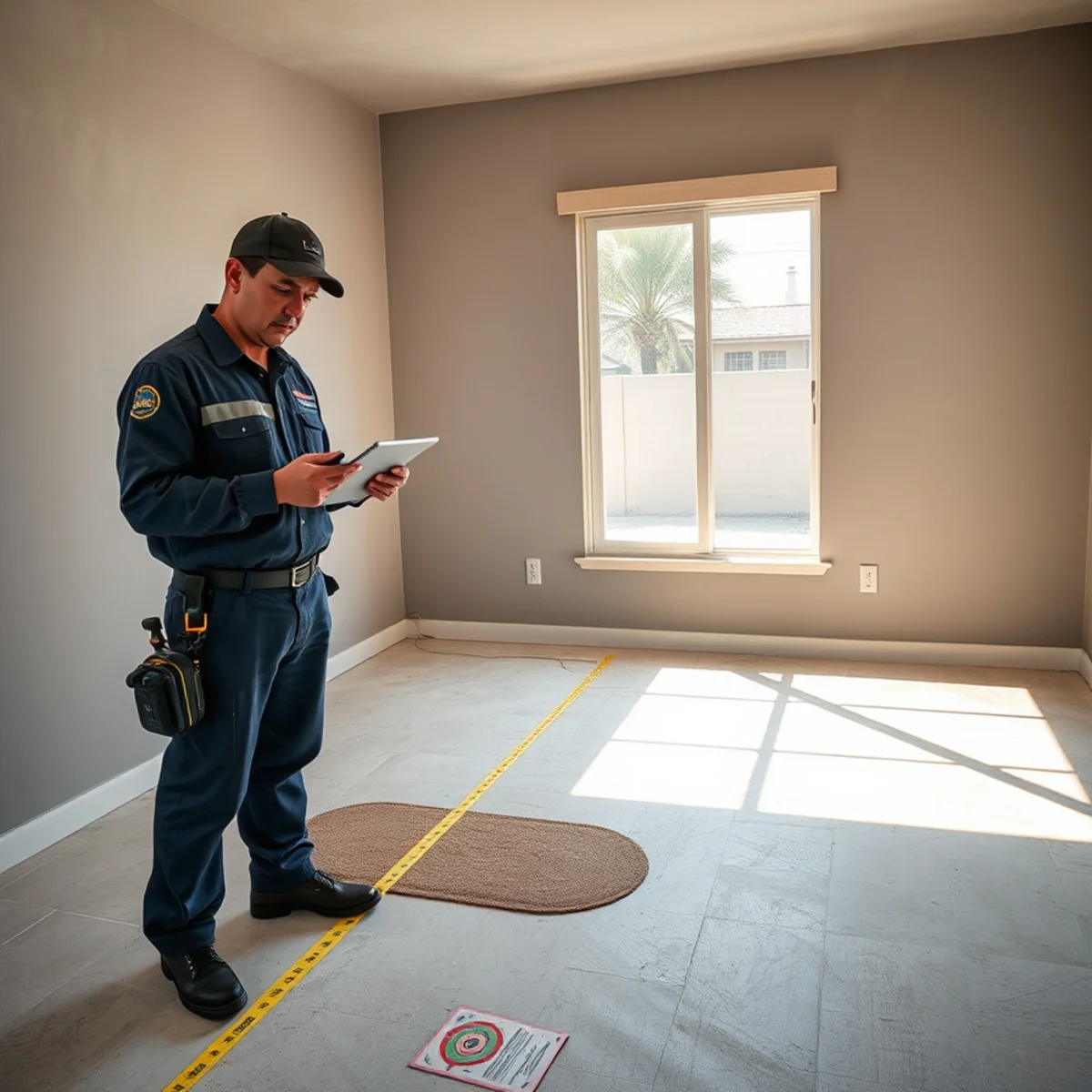
The EPA's rough guidance is a useful frame. Under about ten square feet of growth on a hard surface is often a homeowner-scale job, provided you find and fix the moisture source. Between ten and a hundred square feet is where professional containment is strongly recommended, and it is the most common residential remediation size. Over a hundred square feet means full containment, negative air and independent verification.
The measurement is across all affected surfaces, including inside wall cavities — not just what you can see on the room side of the drywall. That is why an assessment that only looks at visible growth understates scope.
Containment Complexity Costs More Than People Expect
Sealing a small closet is straightforward. Isolating one end of an open-plan great room with a two-story ceiling means far more poly, temporary framing and negative air capacity.
The number of separate containment zones matters too. Three small affected areas in three rooms costs considerably more than one contiguous area of the same total size, because each zone needs its own barrier, its own entry and its own air management.
Whether occupants stay in the building during the work also affects it — occupied remediation needs tighter containment and more careful scheduling.
Standing water right now? Call us before you do anything else.
We are on site within 60 minutes anywhere in Irvine, 24 hours a day.
Material Type Decides Removal Versus Cleaning
Growth on non-porous surfaces — tile, sealed concrete, glass, metal — cleans. Growth on porous materials does not reliably clean, so drywall, insulation, carpet, pad and particleboard come out and get replaced.
Semi-porous framing is in between: HEPA vacuumed and, where growth has penetrated the surface, abrasively cleaned rather than painted over. Encapsulating over growth without cleaning first is a shortcut that shows up again later.
This is why a bathroom with tile walls is a fraction of the cost of a carpeted bedroom with the same square footage of growth.
HVAC Involvement Is a Step Change
If growth is in the ductwork or the air handler, the system has been distributing spores building-wide every time it ran. Duct cleaning or replacement becomes part of the scope, and it is a significant separate cost.
It also changes the containment approach, because you can no longer treat the affected area as isolated — the whole conditioned envelope has been exposed.
In Irvine's two-story homes with attic air handlers, this comes up more than people expect, because a condensate overflow that grew mold in an attic has an air handler sitting right next to it.
The Part of the Estimate People Underweight
The remediation is often the smaller half of the total. The moisture repair underneath it and the rebuild afterward are usually the larger half.
A slab leak repair. A shower pan replacement. A roof detail. A drainage correction. An exhaust fan that was never ducted to the exterior. Whatever put water there has to be fixed, or the mold returns to the same spot within weeks — and any estimate that does not include correcting the water source is not a complete estimate.
Then the rebuild: insulation, drywall, texture, paint, base, flooring and any cabinetry. On a hundred-square-foot remediation that can easily exceed the remediation line itself.
Insurance and the Cap
Most California policies cover mold only when it resulted from a covered sudden water loss, and most cap that coverage between $5,000 and $10,000 regardless of your dwelling limit.
Mold from a long-running leak, from chronic humidity, or from deferred maintenance is generally excluded outright.
The practical implication is that speed on the original water loss is what protects you here. A loss dried within the first day rarely becomes a mold job, which keeps you entirely out of the capped portion of your policy.
One more thing worth paying for: independent post-remediation verification by a third-party industrial hygienist. It typically adds several hundred dollars and it is the only credible proof the work succeeded. A company that clears its own remediation has an obvious conflict of interest.
From the field
The part of the estimate people underweight
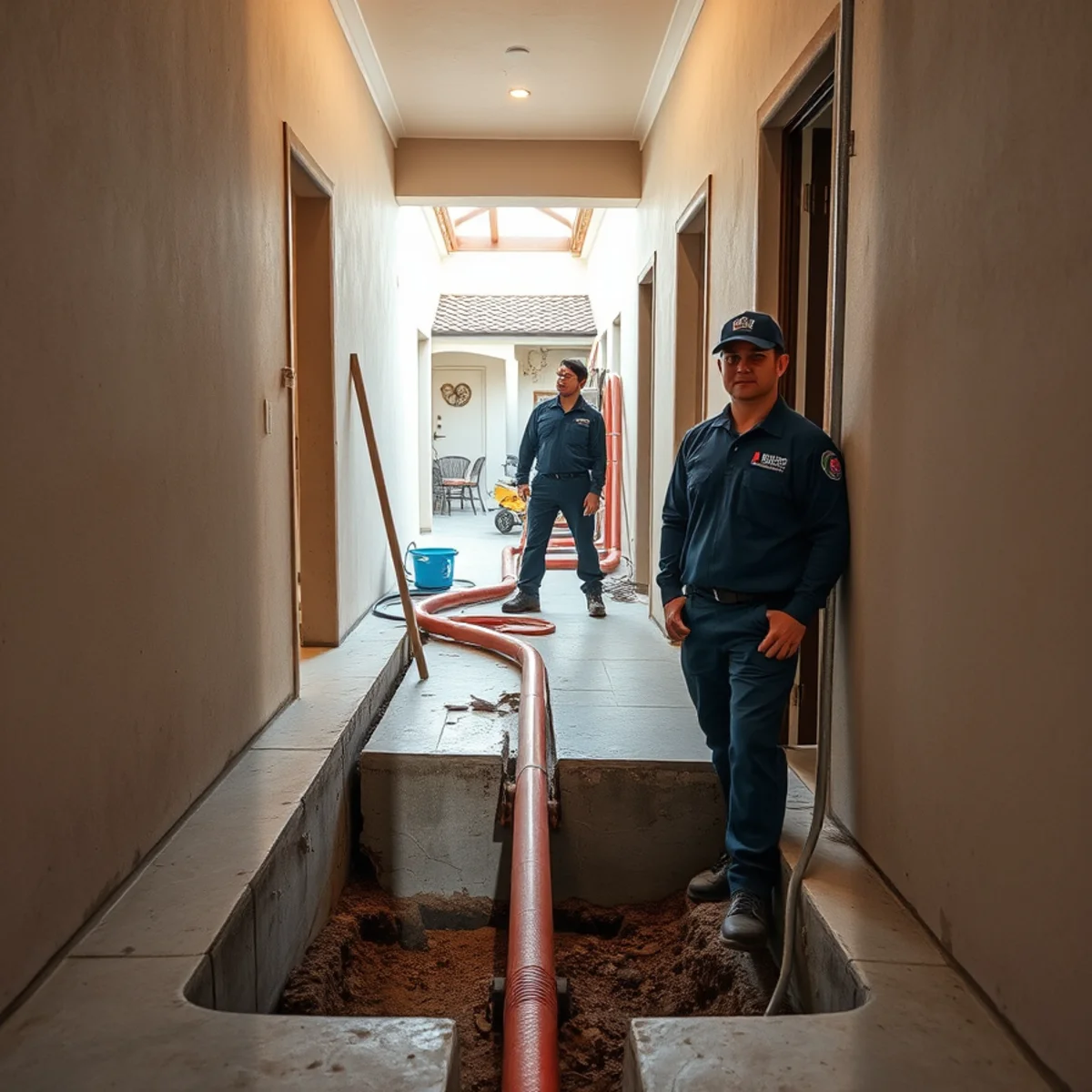
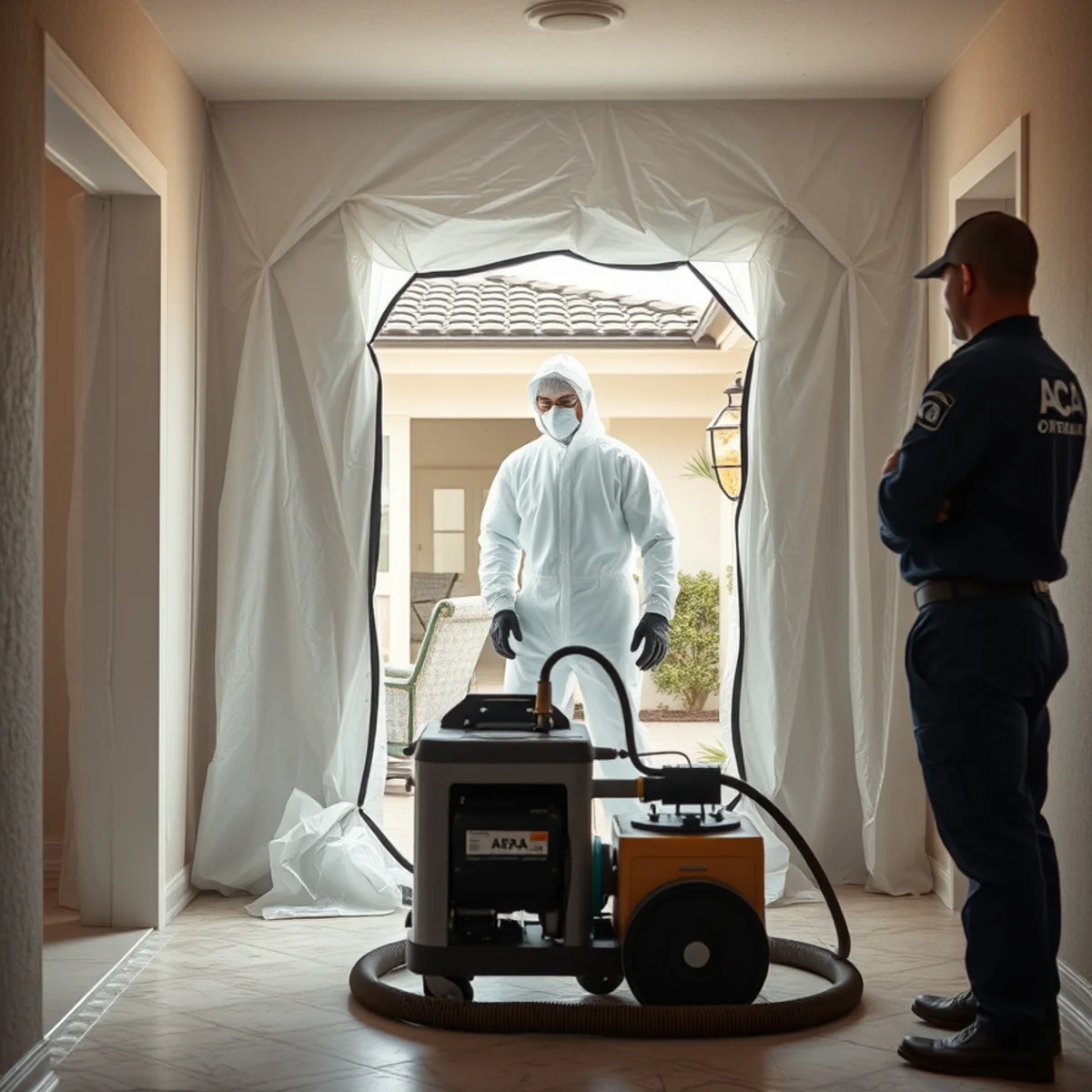
Almost everyone focuses on the square footage of visible growth. The line that actually varies most is containment and access. Remediating a bathroom wall on an exterior corner with a window is straightforward. Remediating the same square footage in a hallway that connects four occupied rooms means floor-to-ceiling poly barriers with a zippered entry, a negative air machine ducted to an exterior opening, HEPA scrubbers running throughout, and protected pathways for everything carried in or out. That is labour and equipment before a single piece of drywall is removed.
The second underweighted item is what happens to contents. Anything porous inside the containment either gets cleaned, gets packed and stored offsite, or gets disposed of. On a job with a furnished room, contents handling can rival the remediation itself.
Honest tradeoff on testing: pre-remediation air sampling is genuinely useful when the extent is unclear or when a tenant, buyer or carrier needs an independent number. It is frequently unnecessary when growth is visible, the source is known and the scope is obvious — at that point you are paying to confirm what everyone can see. We will tell you which situation you are in, and we recommend a third-party hygienist rather than testing our own work when an independent result matters.
Fix the moisture source first or you are paying twice
Remediation without correcting the water intrusion is a schedule for doing it again. Any scope that does not identify the source is incomplete.
Check your policy's mold cap early
Many California policies cap mold at $5,000 or $10,000. Knowing your number before the scope is written changes what decisions make sense.
Frequently Asked Questions
How much does mold remediation cost?
A contained single-wall job in a bathroom commonly runs in the low four figures. A multi-room remediation with HVAC involvement and significant drywall removal runs into five figures before rebuild. The moisture repair and the rebuild afterward frequently cost more than the remediation itself.
Does insurance cover mold in California?
Only when it resulted from a covered sudden water loss, and most policies cap it between $5,000 and $10,000 regardless of your overall limit. Mold from a gradual leak, chronic humidity or deferred maintenance is generally excluded. Reporting the original water loss promptly is what preserves the coverage.
Do I need to pay for mold testing?
Usually not before remediation — the protocol is the same regardless of species, so identification rarely changes the scope. Testing is worth it when the extent is genuinely unclear and you need a defensible scope, or afterward as post-remediation verification. Use an independent hygienist, never the company doing the removal.
Need help with this in Irvine?
We handle this work every week across Irvine and Orange County. A live dispatcher answers 24/7, gives you an arrival window, and tells you what to do while you wait. Free on-site assessment and written scope before any demolition.
Related services