Cost & Insurance · 7 min read
Does Homeowners Insurance Cover Water Damage in California? What's In and What's Out
Most water damage disputes come down to one word: sudden. Here is what that means in practice and how to stay on the right side of it.

Short answer
Most California homeowners policies cover water damage that is sudden and accidental — a burst pipe, a failed supply line, an overflowing appliance. They generally exclude damage that accumulated gradually, plus flood and surface water, and they cap mold remediation. Whether your loss is sudden or gradual is decided by evidence, which is why reporting the day you notice matters.
The general rule in California homeowners policies is simple to state and endlessly argued in practice: water damage that is sudden and accidental is covered, and water damage that accumulated gradually is not.
Almost every dispute we watch play out is about which side of that line a particular loss falls on, and the answer usually depends on documentation created in the first 48 hours.
What Is Usually Covered
A burst supply line. A water heater that split. A washing machine hose that let go. A dishwasher supply connection that failed. A toilet supply line. A pipe that froze — rare here, but covered where it happens.
Rain that entered through an opening created by storm damage: wind lifted tiles and rain came through the gap. The wind created the opening, which is the covered peril.
Water damage from firefighting. Suppression water is a standard covered part of a fire loss and it is frequently the larger component of the claim.
Accidental overflow from a plumbing, heating or air conditioning system — which includes the classic attic air handler condensate overflow, provided it was sudden rather than a long-running drip.
What Is Usually Not Covered
The failed component itself. This one surprises people every time. Your policy pays to fix the damage the pipe caused and typically to access the pipe — but not to replace the pipe. Same with the water heater, the appliance, the roof.
Gradual damage. A leak that ran for months, a slow drip under a sink, a shower pan that has been weeping for two years. Carriers describe this as a maintenance failure and they deny it routinely.
Flood. Surface water, storm runoff, rising water, an overflowing channel. Standard California homeowners policies exclude all of it, and it requires separate flood insurance through the NFIP or a private carrier — with a waiting period after purchase.
Sewer and drain backup, unless you carry a specific water backup endorsement. It is inexpensive, usually capped between $5,000 and $25,000, and most people do not have it until after they need it.
Earth movement, including mudflow and landslide, which matters in the hillside parts of Orange County.
Standing water right now? Call us before you do anything else.
We are on site within 60 minutes anywhere in Irvine, 24 hours a day.
The Mold Cap Nobody Reads Until It Matters
Most California policies limit mold coverage to somewhere between $5,000 and $10,000, regardless of your overall dwelling limit. And that coverage generally applies only when the mold resulted from a covered sudden water loss.
Mold from a long-running leak, from chronic humidity or from deferred maintenance is typically excluded outright.
This is one of the strongest practical arguments for calling a restoration company immediately rather than waiting to see whether it dries on its own. A loss dried within the first day rarely becomes a mold job, which keeps you out of the capped portion of your policy entirely.
How the Gradual-Damage Argument Actually Gets Won
Carriers will look at the physical evidence for how long water was present. Staining patterns, corrosion, microbial growth, and the condition of surrounding materials all tell a story about duration.
What protects you is the date of discovery and the speed of your response. Reporting the day you noticed it, documenting thoroughly before cleanup, and getting professional mitigation started immediately all support a sudden-loss finding.
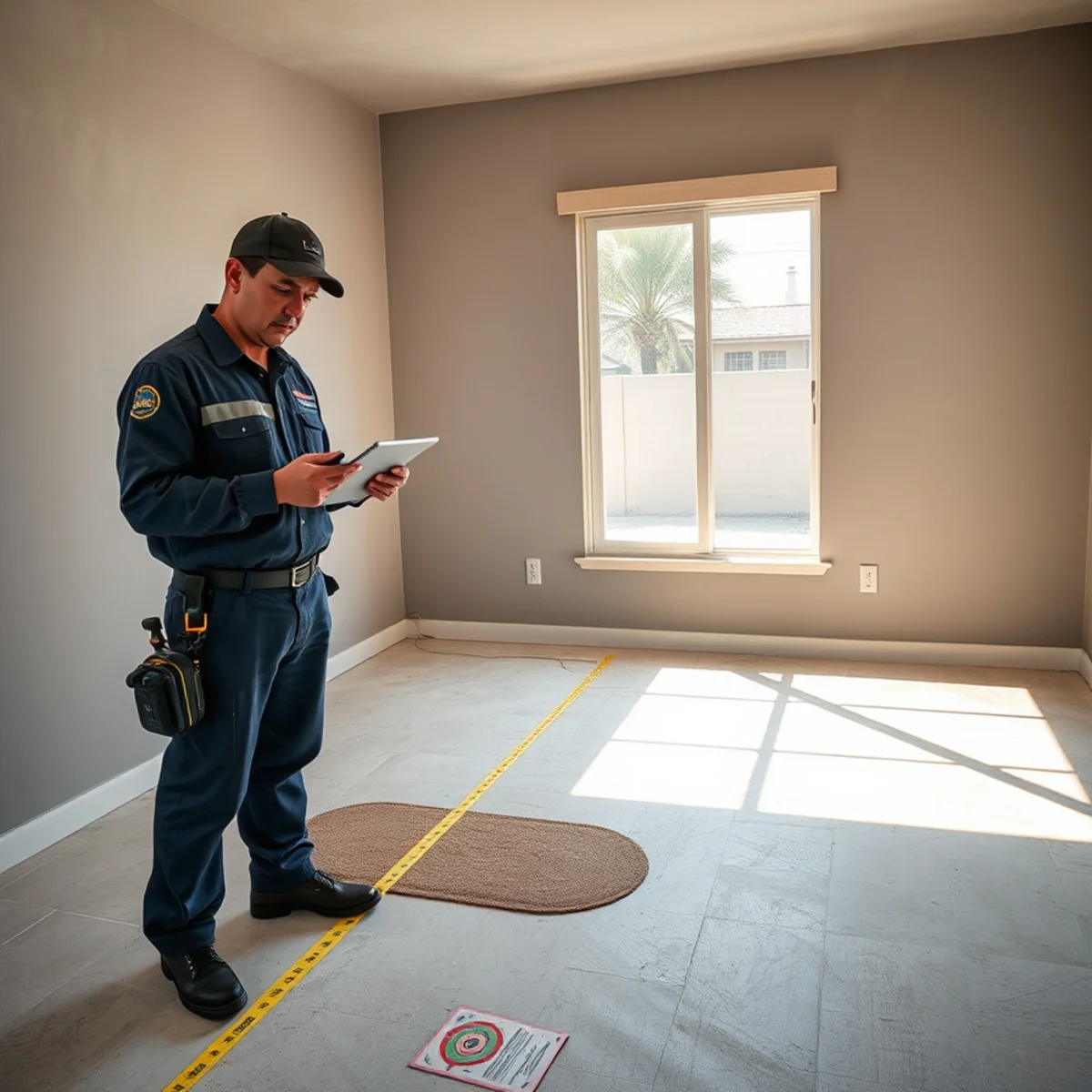
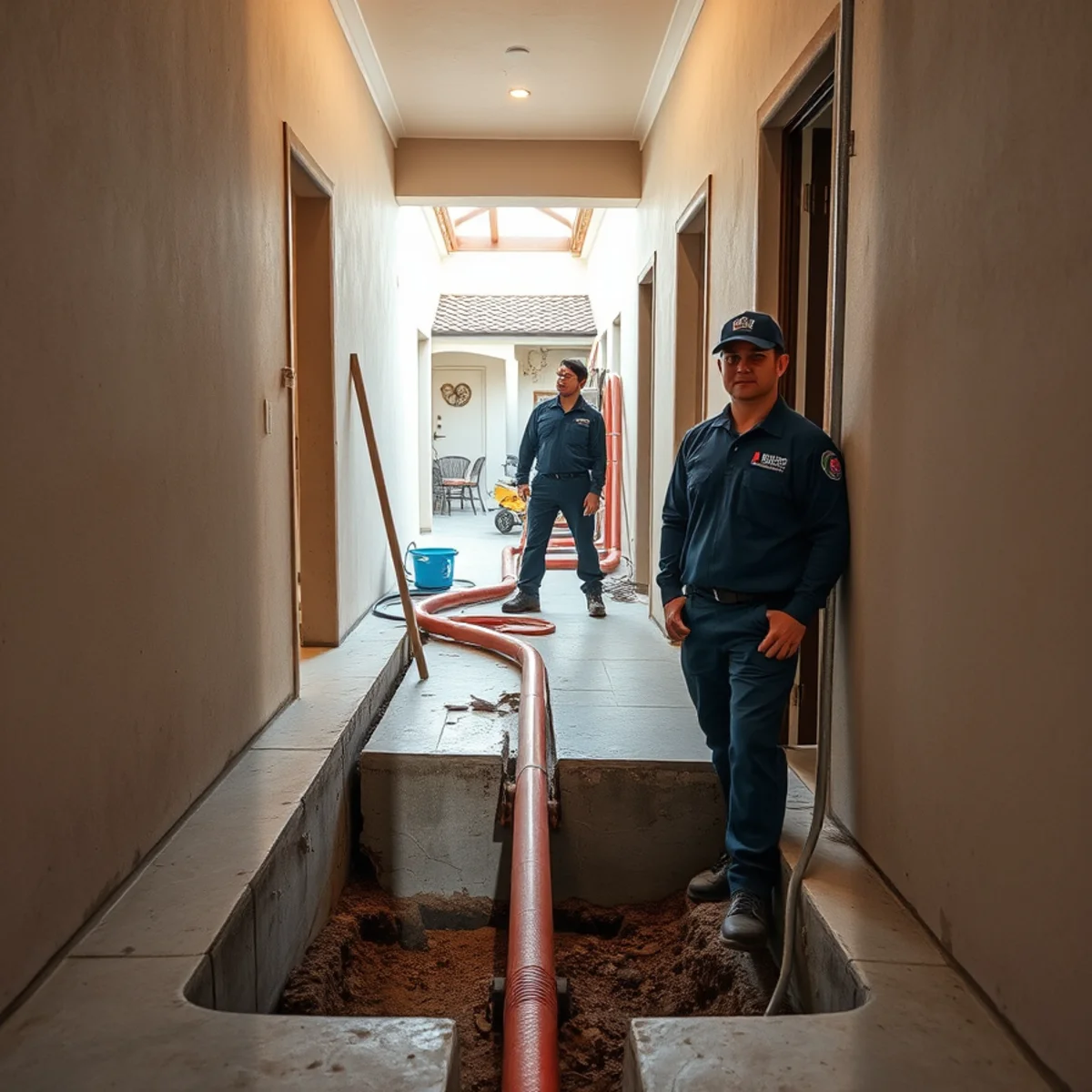
Slab leaks are where this comes up most in Irvine. A pinhole under a slab genuinely can run for weeks before anything is visible — that is the nature of the failure. Reporting it the day you noticed the warm floor spot, with a dated detection report showing thermal imagery and moisture readings, is what separates a paid claim from a denied one.
What to Do in the First 48 Hours
Report the loss to your carrier the same day, even before you know the scope. The report date is a fact they will rely on.
Photograph and video everything before any cleanup. Wide shots of each room, close-ups of the source and every wet material, narration explaining what you found and when.
Start mitigation immediately. Your policy requires you to take reasonable steps to prevent further damage, and delaying can itself reduce a payout.
Keep every damaged item until the adjuster has seen it or your restoration company has documented it. Keep every receipt — emergency plumber, hotel, equipment. Reasonable emergency expenses are usually reimbursable.
And ask about loss of use coverage in your first conversation, not after you have paid for a week of hotel yourself.
Two Endorsements Worth Buying Before You Need Them
Water backup of sewers or drains. Not standard, inexpensive, and the difference between a covered sewage cleanup and a five-figure out-of-pocket. Check your declarations page for that exact phrase.
Service line coverage, where offered. It covers the buried water and sewer lines between the street and your house — which are your responsibility and which are not covered by a standard policy.
Also worth asking about: whether your carrier offers a premium credit for an automatic water shut-off valve at the main. Several do, and it changes the economics of installing one.
From the field
How the gradual-damage argument actually gets won
The word 'sudden' in a policy is doing a lot of work, and carriers apply it to the failure rather than to your discovery. A supply line that let go this morning is sudden even if the pipe corroded for a decade first. A drain that has been seeping behind a wall for eight months is not — and the tell an adjuster looks for is staining, tide lines, rusted fasteners, deteriorated framing and established mold growth, all of which take time to form.
So the evidence that decides these claims is created before anyone tidies up: dated photographs of the source, moisture readings taken at mapped points, and the timeline of when you first noticed something. What loses the argument most often is not fraud, it is a homeowner who noticed a stain in November, watched it, and reported it in February. At that point the physical evidence genuinely supports the carrier's reading.
The honest limitation on our side: we document what we measure and we write it in the format adjusters expect, and that is genuinely persuasive. We are not the decision-maker and we cannot promise an outcome. Where a loss looks gradual to us, we will tell you that plainly at the assessment rather than letting you find out from a denial letter.
Report the day you notice, not the day you understand
Prompt notice is a policy condition and delayed notice is one of the most common grounds for reduced payment. You can report a possible loss before you know its cause.
Read your mold cap before you need it
Many California policies cap mold remediation at $5,000 or $10,000 regardless of the overall limit. It is one of the cheapest endorsements to raise and one of the most common shortfalls.
Frequently Asked Questions
Is a slab leak covered by California homeowners insurance?
Usually the access and the damage, but not the pipe. Most policies pay to break and patch the concrete to reach the leak and to restore the water damage, while excluding the failed pipe itself. Coverage also depends on timing — a leak reported promptly is treated as sudden; one that clearly ran for months may be denied as gradual.
Will filing a water damage claim raise my premium?
It can. California carriers consider claim history and weight water claims heavily. If your loss is close to your deductible, the premium impact of filing may exceed the recovery. Get a realistic scope number first and decide from there — a good restoration company will do the work on a cash basis if that is the better call.
What is the difference between flood and water damage?
Water damage originates inside your plumbing or through storm-created damage to the structure, and is generally covered. Flood is water arriving from outside — surface runoff, rising water, an overflowing channel — and is excluded entirely from standard homeowners policies. Flood requires a separate policy with a waiting period after purchase.
Need help with this in Irvine?
We handle this work every week across Irvine and Orange County. A live dispatcher answers 24/7, gives you an arrival window, and tells you what to do while you wait. Free on-site assessment and written scope before any demolition.
Related services