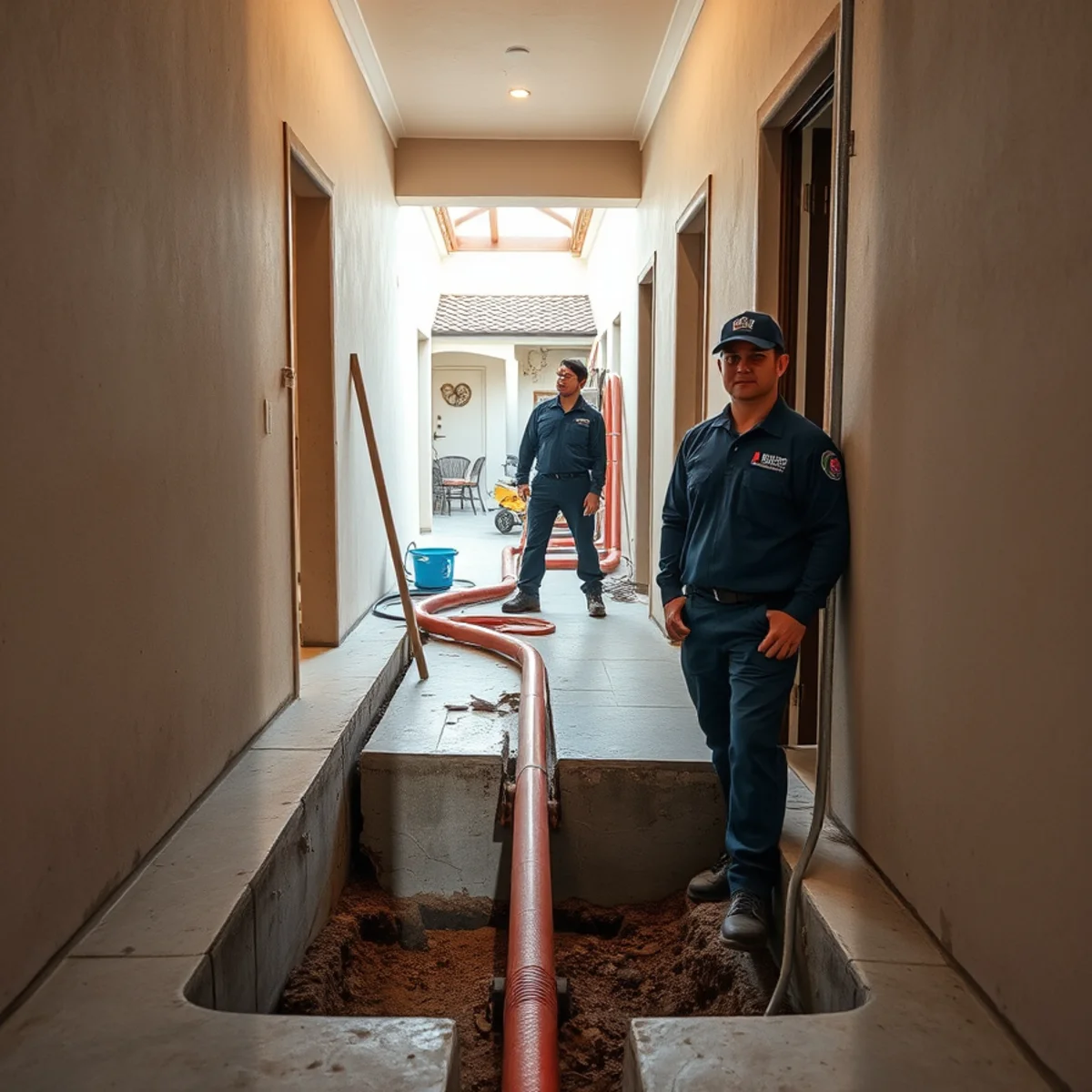
Cost & Insurance · 7 min read
How Much Does Water Damage Restoration Cost in Irvine? (2026 Price Guide)
Most companies ranking for this search will not give you a number. Here are ours, with the reasons Irvine sits above published national ranges.
Short answer
Mitigation — extraction, equipment and daily monitoring — runs roughly $3.00 to $7.50 per affected square foot in Irvine, with Category 3 at the top of that range. Repair and rebuild is a separate line item at roughly $20 to $37 per square foot. A single-room clean-water loss caught fast usually lands in the low four figures.
Search this question and you will get a lot of pages that discuss cost without ever stating one. We think that is unhelpful, so here are actual numbers, with the caveats that make them honest.
Two figures matter and they are very different from each other. Mitigation — extraction and drying — generally runs about $3.00 to $7.50 per affected square foot. Repair and rebuild runs roughly $20 to $37 per square foot for finished space in this market. Confusing those two is why people are shocked by estimates.
What a Typical Irvine Loss Actually Costs
A single-room clean-water loss caught within a few hours, with tile over slab and no cabinetry involved, commonly lands in the low four figures. Extraction, three days of equipment, daily monitoring, no rebuild.
The same room caught the next morning, with carpet and pad involved and the bottom of the drywall wicked, moves into mitigation plus a modest rebuild — call it the mid four figures.
A kitchen loss that reached cabinet bases and flooring runs into the mid five figures once the cabinetry is replaced. A whole-floor loss with mold and full rebuild goes higher, and in a home with high-end finishes considerably higher.
The variable that moves this most is not the size of the leak. It is how many hours it sat.
Why Irvine Costs More Than the National Average
Published national ranges assume builder-grade finishes. Irvine's housing stock frequently is not.
Wide-plank engineered hardwood, natural stone, upgraded tile, custom cabinetry and stone counters are common here, particularly in Orchard Hills, Turtle Ridge, Quail Hill, Shady Canyon and the newer villages. Those materials cost more to replace and, critically, they have long lead times. A discontinued tile run or a fourteen-week hardwood order sets the schedule for the whole job.
Labor costs in coastal Orange County are also above national averages, and permitted work in the city of Irvine has its own timeline.
The upside is that expensive finishes justify specialty drying. Floor-drying mats and cavity systems that cost more per day routinely save materials worth many multiples of the difference — so the smart move in a high-finish home is usually more equipment, not less.
Standing water right now? Call us before you do anything else.
We are on site within 60 minutes anywhere in Irvine, 24 hours a day.
The Six Things That Actually Drive Your Number
Every estimate comes down to some combination of these.
Water category
Category 3 roughly doubles mitigation cost for the same footprint — containment, negative air, PPE, disposal and mandatory removal of porous materials.
Affected square footage
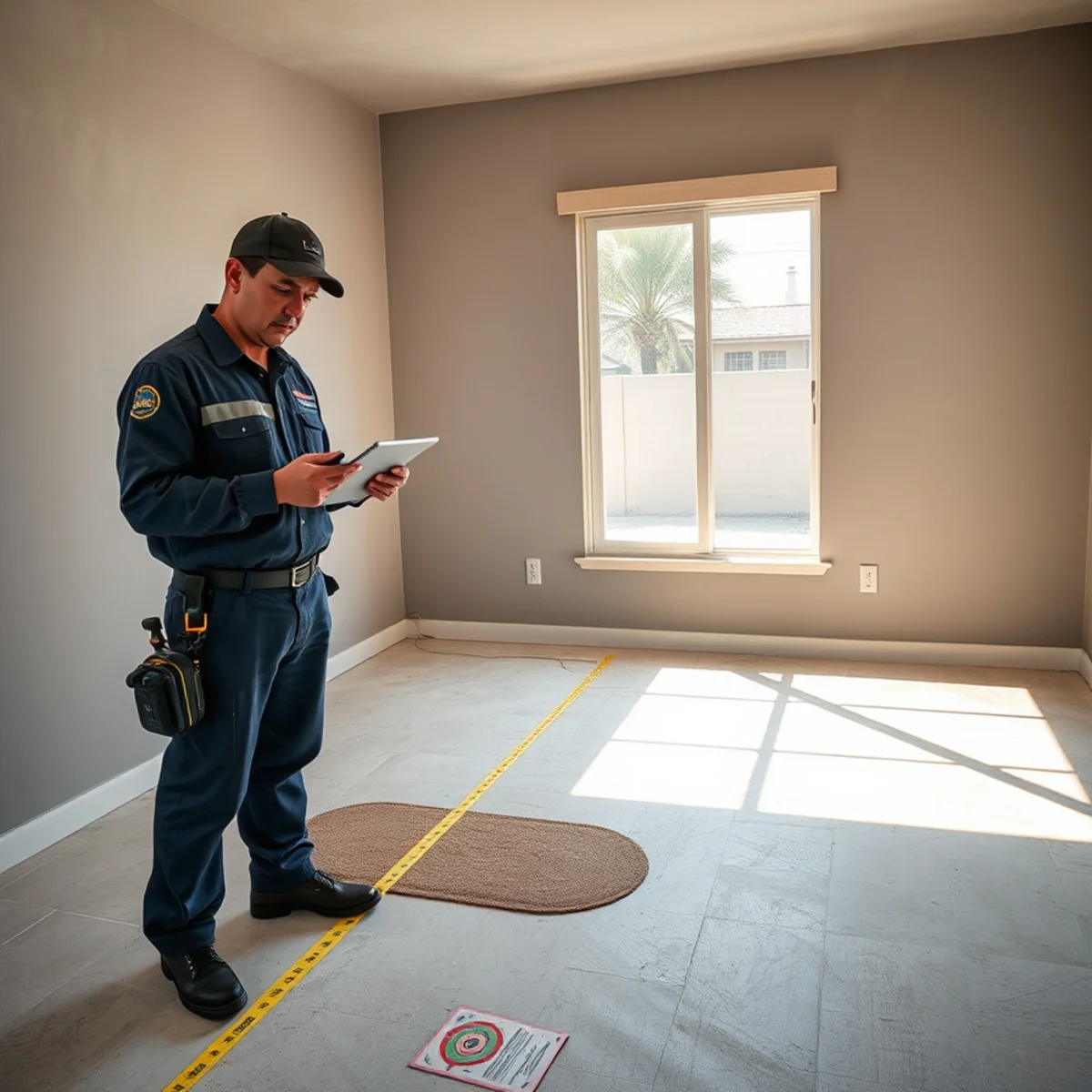
What the moisture meter maps, not what looks wet. The real footprint is routinely two to three times the visible one.
Hours before extraction
The one variable you control. Materials dried in place versus materials replaced is the difference between four figures and five.
Materials involved
Tile over slab is the cheap case. Carpet pad, engineered hardwood, luxury vinyl plank and MDF cabinet boxes get progressively worse.
Equipment days
Drying is billed per unit per day. Slabs, hardwood and dense assemblies take longer, so they cost more.
Whether rebuild is needed
Mitigation-only jobs end at dry standard. Once drywall and flooring come out, you are into a construction budget at $20–$37 per square foot.
Mitigation and Rebuild Should Be Separate Documents
Ask for them separately, because that is how adjusters review them and it keeps the conversation clean. A combined number invites arguments about which portion is covered.
It also lets you see whether the mitigation scope is sensible. Look at the equipment count against the wet square footage. Too few air movers on a large wet area means a longer dry-down and a bigger total bill even though the daily rate looks lower.
And ask for the daily moisture log at the end. If a company cannot produce one, they were not measuring — they were guessing, and you have no proof the structure is dry.
Should You File a Claim?
If the loss is clearly above your deductible, yes, and report it promptly — delay is what carriers use to argue damage was gradual.
If it is close to your deductible, filing may cost more in future premium than it recovers. California carriers do consider claim history, and water claims specifically are weighted heavily. A reputable restoration company will give you a realistic scope number before you decide, and should be willing to do the work on a cash basis if that is the better call.
Be aware that many policies cap mold coverage at $5,000 to $10,000 regardless of the overall limit, and that sewer backup requires a specific endorsement.
Prices We Will Not Quote Over the Phone
We will not give you a firm price before seeing the moisture map, and you should be skeptical of anyone who does. The wet footprint is the largest single input and it cannot be assessed by description.
What we will do on the phone is tell you honestly whether what you are describing sounds like a $2,000 problem or a $20,000 problem, so you can decide how urgently to act and whether to involve your carrier.
You get a written line-item scope after the on-site assessment and before any demolition. If we open a wall and find more than the meter suggested, you hear about it before we proceed.
From the field
Why two identical-looking rooms produce very different invoices
The number that moves an estimate most is not room size. It is the affected footprint, which is measured with meters rather than eyes and is routinely two to three times larger than the wet patch a homeowner points at. Water travels under flooring and up inside wall cavities, and every square foot it reached needs equipment, monitoring and — if the material does not come back — removal. Two 200-square-foot bedrooms can differ by a factor of three because one had carpet over slab and the other had engineered plank over a wood subfloor with cabinetry on the wet wall.
The second driver is material. Carpet and pad on a slab is the cheapest possible outcome: extract, float the carpet, replace the pad. Engineered hardwood, laminate, stone over a mortar bed and custom cabinetry are the expensive end, because they either need specialty drying equipment for a week or they need replacing with something that has a lead time.
The honest tradeoff nobody enjoys hearing: specialty drying costs more per day and is frequently the cheaper answer. Mat drying an engineered floor for six days is a real cost; replacing that floor is a much larger one plus weeks of disruption. Where a material genuinely cannot be saved, we say so on day one rather than billing a week of equipment to prove it.
Ask for mitigation and rebuild as separate documents
They are different scopes, priced differently, frequently paid at different times. A single blended number is very hard for an adjuster to approve and very hard for you to check.
The variable you control is response time
Same-hour extraction keeps carpet, pad and drywall in place. The identical loss found eight hours later routinely moves those materials into the rebuild column.
Frequently Asked Questions
How much does water damage restoration cost per square foot?
Mitigation — extraction and drying — generally runs about $3.00 to $7.50 per affected square foot depending on water category. Repair and rebuild runs roughly $20 to $37 per square foot for finished space in this market. Those are separate line items and should be separate documents.
Why is the estimate bigger than the area that looked wet?
Because you are billed on what the moisture meter maps, not on what the eye sees. Water spreads laterally along the top of a slab under flooring and wicks a foot or more up the inside of drywall. A real wet footprint is routinely two to three times the visible one, and an honest technician will walk that boundary with you and mark it.
Does insurance cover the whole cost?
For sudden and accidental water damage, typically most of it minus your deductible. What is usually excluded is the failed component itself — the pipe, the water heater, the appliance. Mold is frequently capped at $5,000 to $10,000, sewer backup requires a specific endorsement, and flood from outside water is excluded entirely without separate flood insurance.
Need help with this in Irvine?
We handle this work every week across Irvine and Orange County. A live dispatcher answers 24/7, gives you an arrival window, and tells you what to do while you wait. Free on-site assessment and written scope before any demolition.
Related services