Cost & Insurance · 6 min read
Sewage Backup Cleanup Costs — and Whether Your Insurance Will Actually Pay
Sewage cleanup runs at the top of the mitigation scale for reasons that are not negotiable. And most policies do not cover it without an endorsement you can add today.
Short answer
Sewage backup cleanup costs more than clean-water work because of protocol, not water volume: containment, PPE, removal and regulated disposal of every porous material, and antimicrobial treatment. Standard homeowners policies exclude backup through a sewer or drain — it requires a separate endorsement that most people do not have until after their first backup.
Sewage backup is the one water loss where the health risk outweighs the property damage, and the cleanup protocol reflects that. It is also the loss most likely to be uncovered, because the endorsement that pays for it is not part of a standard policy.
Here is what it costs, why, and what to check on your declarations page tonight.
Why It Costs What It Costs
Category 3 cleanup commonly runs around $7.00 to $8.50 per affected square foot — the top of the mitigation scale. That is not a premium for inconvenience. It reflects specific required work.
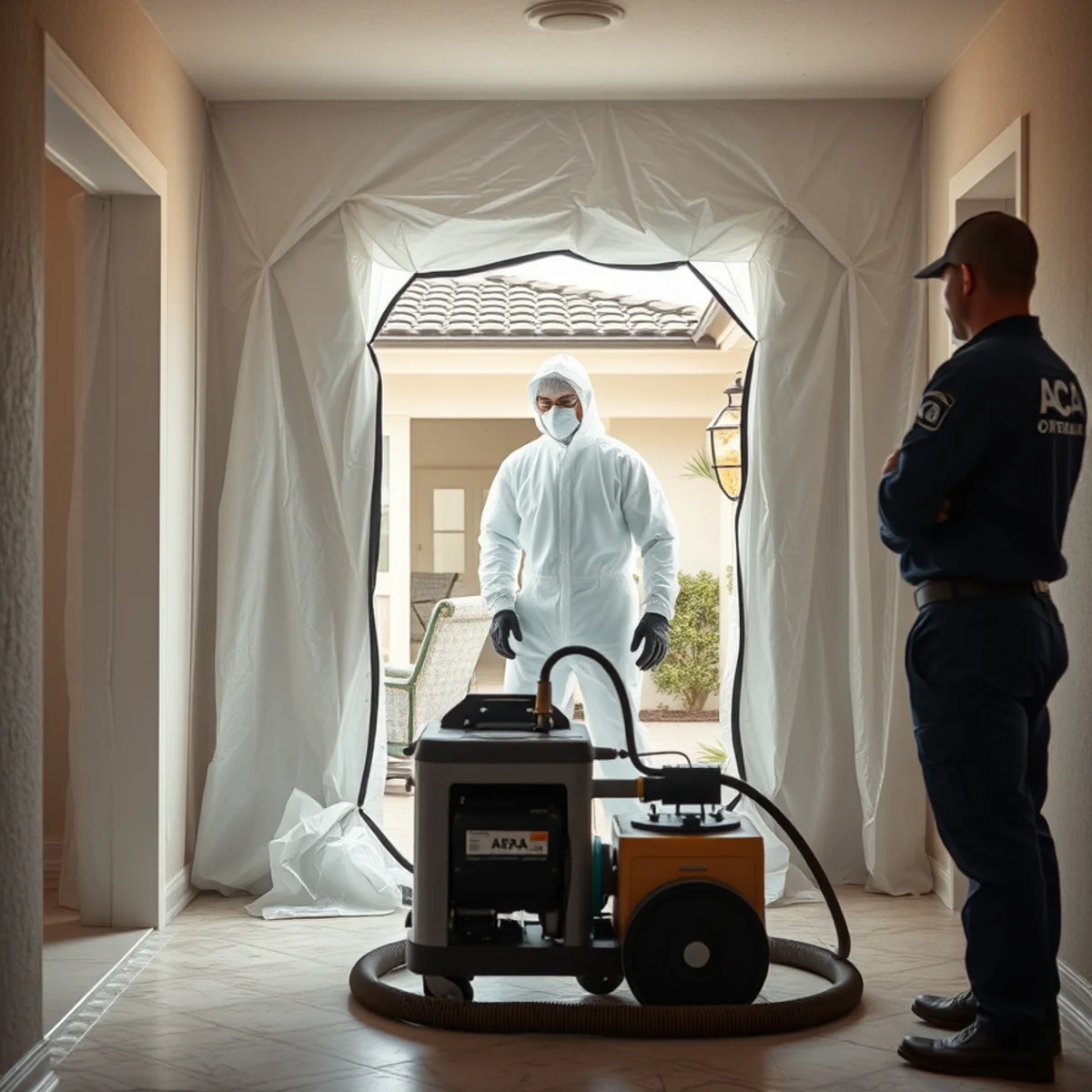
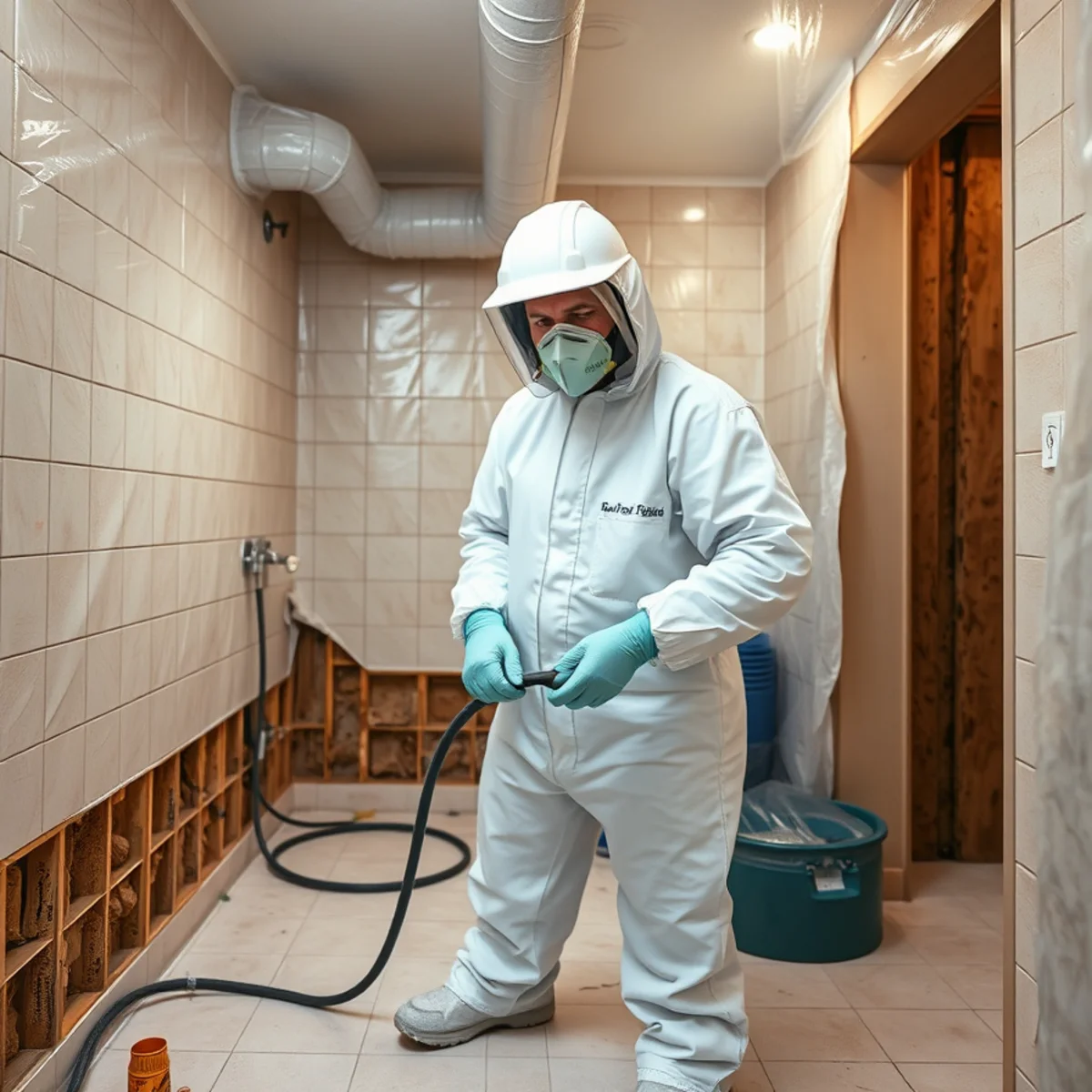
Full poly containment with negative air pressure so contaminated air cannot migrate to clean rooms. Technicians in proper PPE. HEPA air scrubbers running throughout. Extraction to a sealed holding tank. Regulated disposal of contaminated materials. Cleaning before disinfecting, on every remaining surface, followed by an EPA-registered antimicrobial on framing, slab and assemblies.
A company that quotes a sewage job at clean-water pricing is planning to skip containment or leave porous material in place, and you will be dealing with it again in a month.
Porous Materials Always Come Out
This is the biggest driver of cost variation and it is not a judgment call. Under the IICRC S500 standard, porous materials that contacted Category 3 water cannot be reliably decontaminated. Carpet, pad, drywall to a line above the contamination, insulation, particleboard cabinet bases and absorbent contents are removed and disposed of.
Which means the same volume of sewage costs wildly different amounts depending on where it went. A tiled bathroom is a fraction of the cost of a carpeted bedroom, because in one case almost everything stays and in the other almost nothing does.
A single bathroom backup caught quickly is often a low-four-figure job. Sewage across a hallway, bedroom and closet with carpet involved runs several times that.
Standing water right now? Call us before you do anything else.
We are on site within 60 minutes anywhere in Irvine, 24 hours a day.
The Endorsement Most People Do Not Have
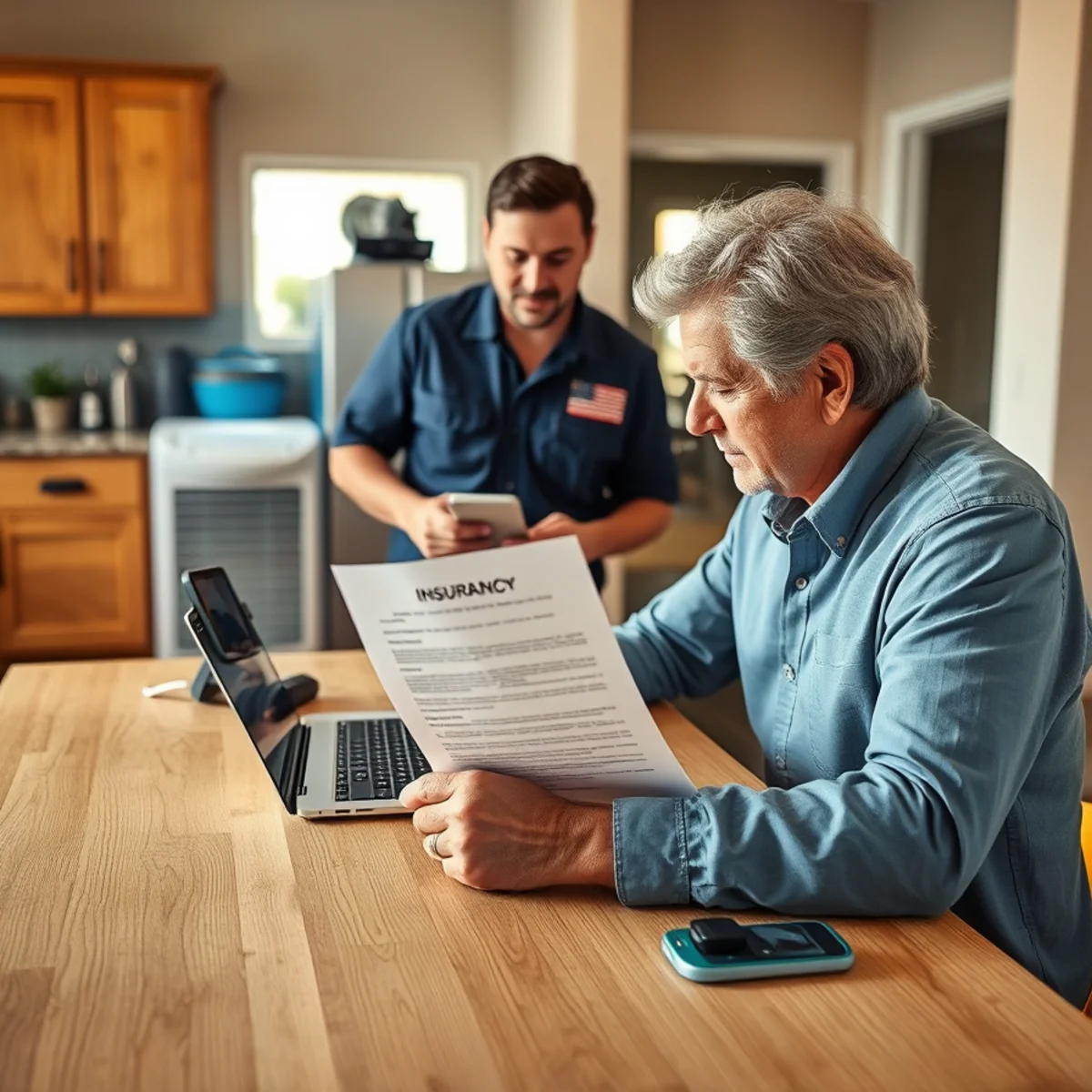
Standard California homeowners policies do not cover sewer and drain backup. Coverage requires a specific endorsement, usually called water backup of sewers or drains.
It is inexpensive — often a modest annual premium — and typically capped somewhere between $5,000 and $25,000. Given that a moderate sewage cleanup can exceed the low end of that range, it is worth asking about the higher limits.
Go look at your declarations page and search for that phrase. If it is not there, call your agent this week. It cannot be added after a backup.
What the Endorsement Does and Does Not Cover
It generally covers damage from water or sewage backing up through sewers or drains, or overflowing from a sump.
It generally does not cover the plumbing repair itself — clearing or replacing the failed line is your cost, the same as any other failed component.
It also does not cover flooding from outside water. If a storm caused street flooding that entered your home, that is flood, and it requires a separate flood policy regardless of whether it also backed up your drains.
And it does not cover damage caused by your own long-term neglect of a known drain problem. Recurring backups you never addressed are a maintenance argument waiting to happen.
The Plumbing Cost Is Separate
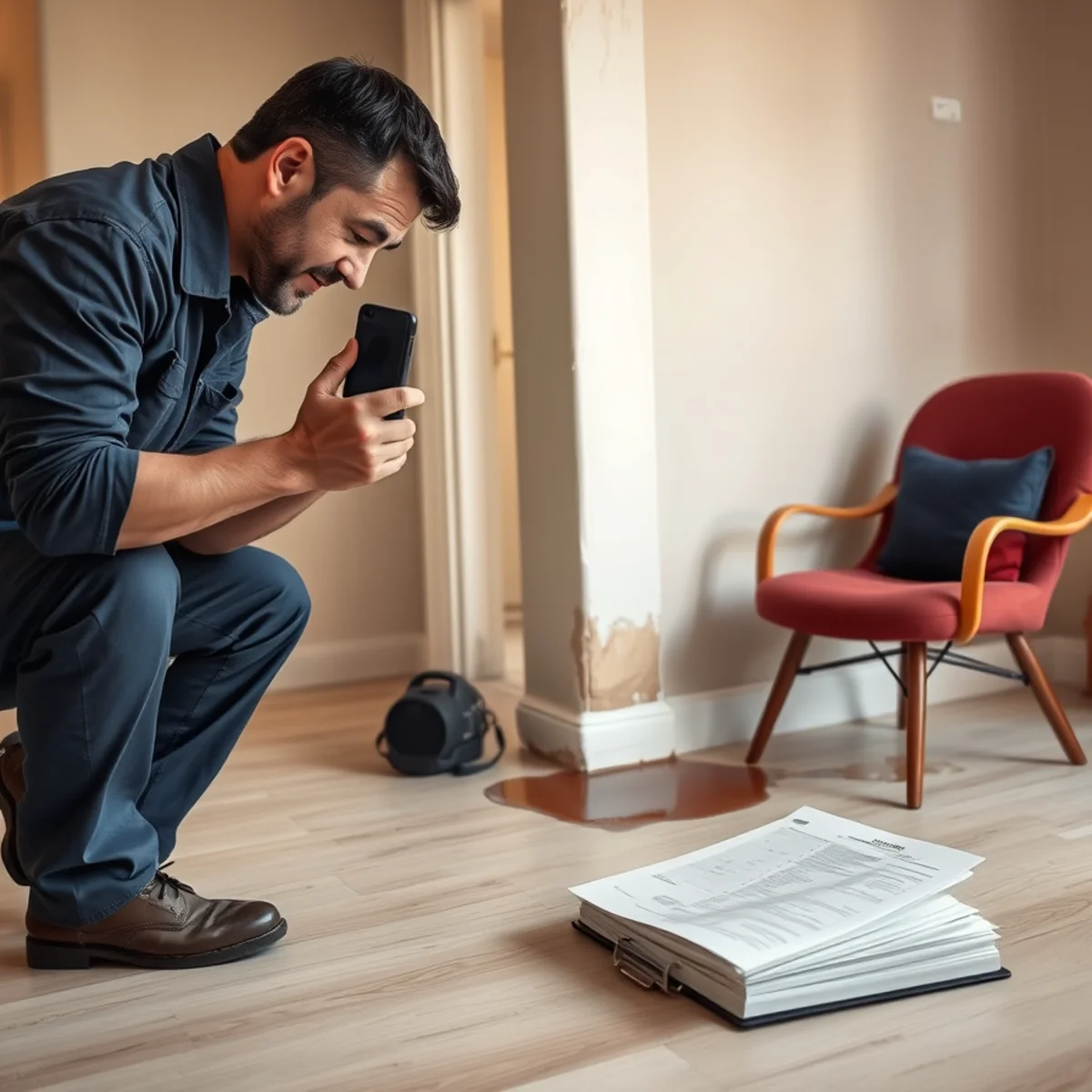
Clearing the blockage is a plumbing cost, and what it takes varies enormously. A snake for a simple clog is a few hundred dollars. Hydro-jetting a grease-fouled line costs more. A camera inspection to locate the problem is worth doing on any recurring backup.
If the cause is root intrusion into a clay lateral — common in Old Towne Orange, downtown Santa Ana, Old Town Tustin and older parts of Costa Mesa and Fullerton — snaking is a temporary fix and the roots regrow. Lining or replacing the lateral is the permanent answer and it is a significant project.
Some carriers offer service line coverage as a separate endorsement, which covers buried water and sewer lines between the street and your house. Worth asking about, particularly in older neighborhoods.
How to Reduce the Cost If You Are Uncovered
You cannot skip containment or leave contaminated porous material in place — those are health requirements, not finish choices.
What you can do is defer cosmetics. Get the contamination handled, the structure genuinely dried, and the odor eliminated at the source. Then take your time on flooring, paint and cabinetry as budget allows.
Ask your restoration company to scope it that way explicitly. A reputable one will, and will tell you plainly which line items are non-negotiable and which are finish work.
From the field
Why porous materials always come out
The question we are asked most on a sewage job is whether the carpet can be cleaned. On Category 3 water the answer is no, and the reason is structural rather than cosmetic. Carpet pad is open-cell foam, drywall is compressed paper and gypsum, and insulation is a matrix of fibres — all of them absorb contaminated water into a volume that cannot be reached, verified or disinfected from the surface. You can make them look clean. You cannot demonstrate they are clean, and the standard we work to does not accept material that cannot be verified.
Non-porous and semi-porous materials are different. Tile, sealed concrete, glass, metal, solid hardwood in some circumstances and structural framing are cleaned, treated with an antimicrobial and dried in place. That is why a tiled bathroom backup can be a comparatively contained job while the same volume of water on carpet in a finished room is not.
The tradeoff worth naming: there are companies that will clean and deodorise sewage-affected carpet and it will smell fine for a while. What returns is odour in warm weather and, in some cases, growth in the pad. We would rather lose that job than do it, and we will tell you plainly when a material has to go.
Buy the endorsement before you need it
Water and sewer backup coverage is one of the least expensive endorsements available and one of the most commonly missing. Ask your agent for the limit, not just whether you have it.
A recurring backup is a pipe problem, not a cleanup problem
Snaking clears the blockage in front of it. A camera inspection finds the root intrusion, belly or damaged section that keeps producing them.
Frequently Asked Questions
Is sewage backup covered by homeowners insurance?
Not by a standard policy. It requires a water backup of sewers or drains endorsement, which most carriers offer for a modest annual premium with a cap usually between $5,000 and $25,000. Check your declarations page for that exact phrase — it cannot be added retroactively.
Why does sewage cleanup cost more than water damage cleanup?
Because the protocol is different and non-optional: full containment with negative air, PPE, HEPA scrubbing, extraction to a sealed tank, regulated disposal, and mandatory removal of every porous material that contacted the water. Category 3 work typically runs around $7.00 to $8.50 per affected square foot against $3.00 to $7.50 for clean water.
Can I save my carpet after a sewage backup?
No. Carpet and pad that contacted Category 3 water are removed and disposed of under the IICRC S500 standard — porous materials cannot be reliably decontaminated. Hard non-porous surfaces like tile and sealed concrete clean and stay.
Need help with this in Irvine?
We handle this work every week across Irvine and Orange County. A live dispatcher answers 24/7, gives you an arrival window, and tells you what to do while you wait. Free on-site assessment and written scope before any demolition.
Related services