Prevention & Maintenance · 5 min read
Smart Water Sensors and Automatic Shut-Off Valves: Are They Worth It for Your Home?
Nearly every catastrophic loss we respond to was a small failure that ran unnoticed for hours or days. That is exactly the problem these solve.
Short answer
Point sensors cost very little, sit where water appears first, and text you within a minute — genuinely effective and the highest-value spend in the category. Automatic shut-off valves close the main when they detect a continuous-flow pattern, which is the only protection that works when nobody is home. Together they prevent the losses that turn into rebuilds.
Almost every five-figure water loss we respond to started as a small failure that nobody was there to notice. A supply line in an empty house. A water heater overnight. A washer hose on day three of a vacation.
That is a detection problem, not a plumbing problem, and it now has an inexpensive technical solution.
Point Sensors: Cheap and Genuinely Effective
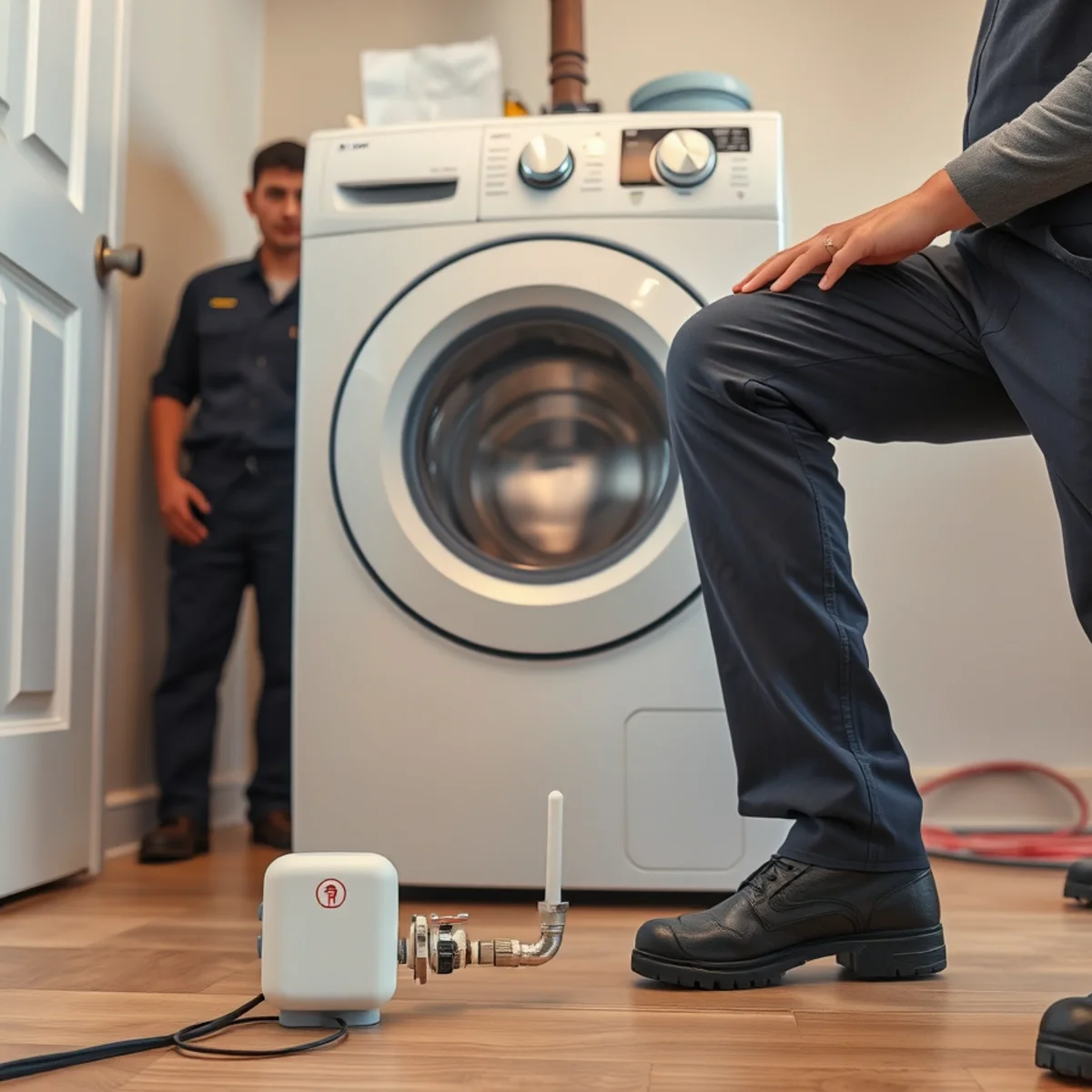
A puck-sized Wi-Fi sensor that sits on the floor and alerts your phone within about a minute of detecting water. They cost very little each and most run for a year or more on batteries.
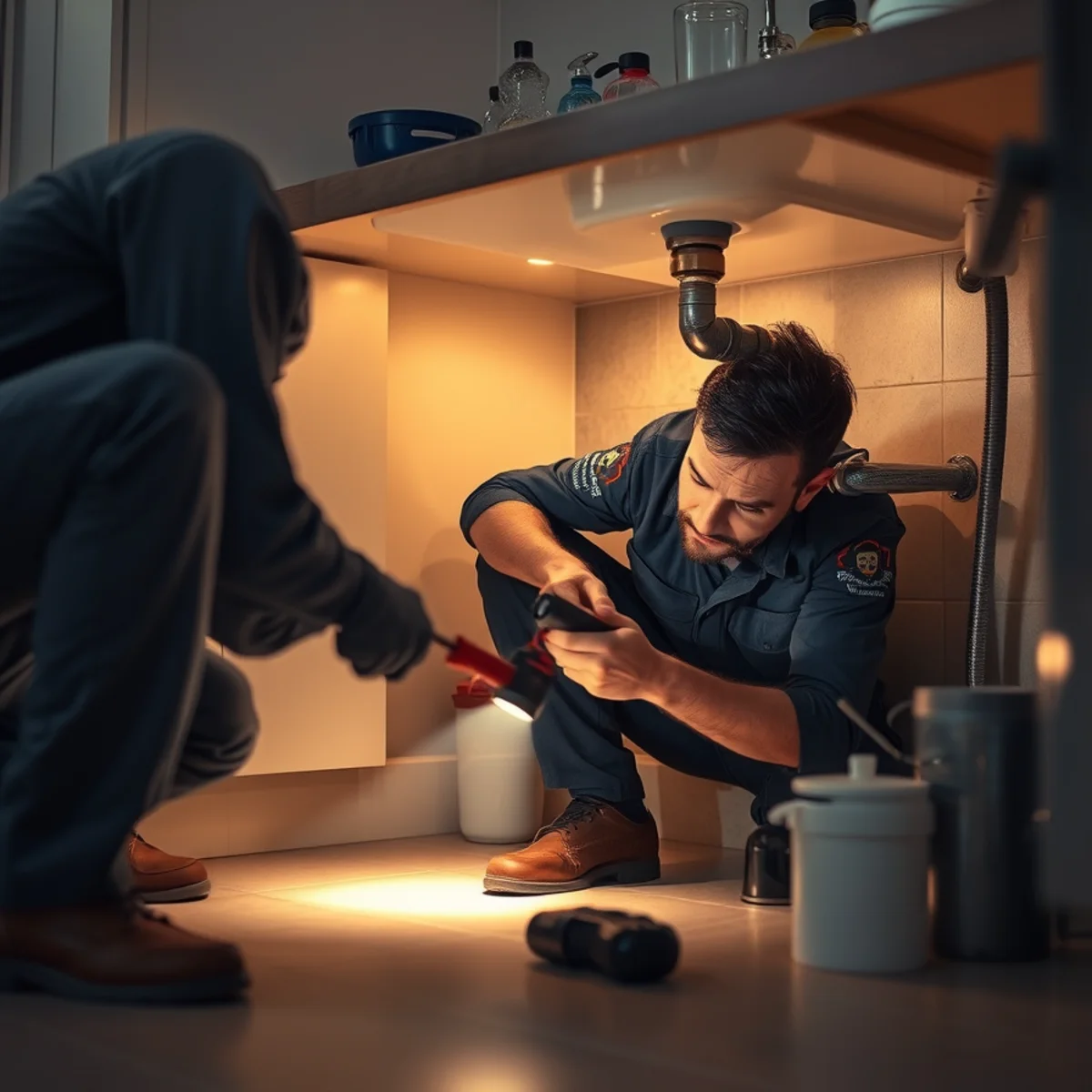
Put them where water appears first: under every sink, behind each toilet, in the water heater's drain pan, behind the washing machine, behind the refrigerator, and at the base of any second-floor plumbing wall.
They will not stop the water. What they buy you is time — the difference between finding a failure in one minute and finding it in eight hours, which is frequently the difference between a mopped floor and a rebuilt kitchen.
For rental properties, vacation homes and any house that sits empty during the day, they are the single highest-return item in this article.
Automatic Shut-Off Valves: The Real Protection
These install at the main and monitor flow continuously. When the pattern looks like a break — continuous flow beyond a threshold duration, or flow at a time the system has learned is unusual — the valve closes automatically.
That is qualitatively different from an alert. A sensor tells you about a problem you then have to act on; a shut-off valve ends it whether you are home, asleep or in another country.
Most also learn your household's normal usage patterns and can flag small persistent flows that indicate a running toilet or a hidden leak — which means they double as slab leak detection.
Installation typically requires a plumber and the unit is a real cost. For a home that sits empty during the day, a second home, or a property with older plumbing in one of Irvine's 1970s villages, it is straightforwardly worth it.
Standing water right now? Call us before you do anything else.
We are on site within 60 minutes anywhere in Irvine, 24 hours a day.
Ask Your Insurer About a Credit
Several California carriers offer a premium credit for a monitored automatic shut-off valve, and some offer smaller credits for monitored leak sensors. That materially changes the payback period.
Call your agent before buying and ask two things: which devices qualify, and what documentation they need. Some carriers require professional installation or specific certified products.
Given that water claims are among the most common and most heavily weighted in California underwriting, insurers have a strong interest in these devices. It is worth the phone call.
What They Do Not Catch
Point sensors only detect water that reaches them. A leak inside a wall cavity, in an attic, or under a slab will not trigger a floor sensor until it has already done significant damage.
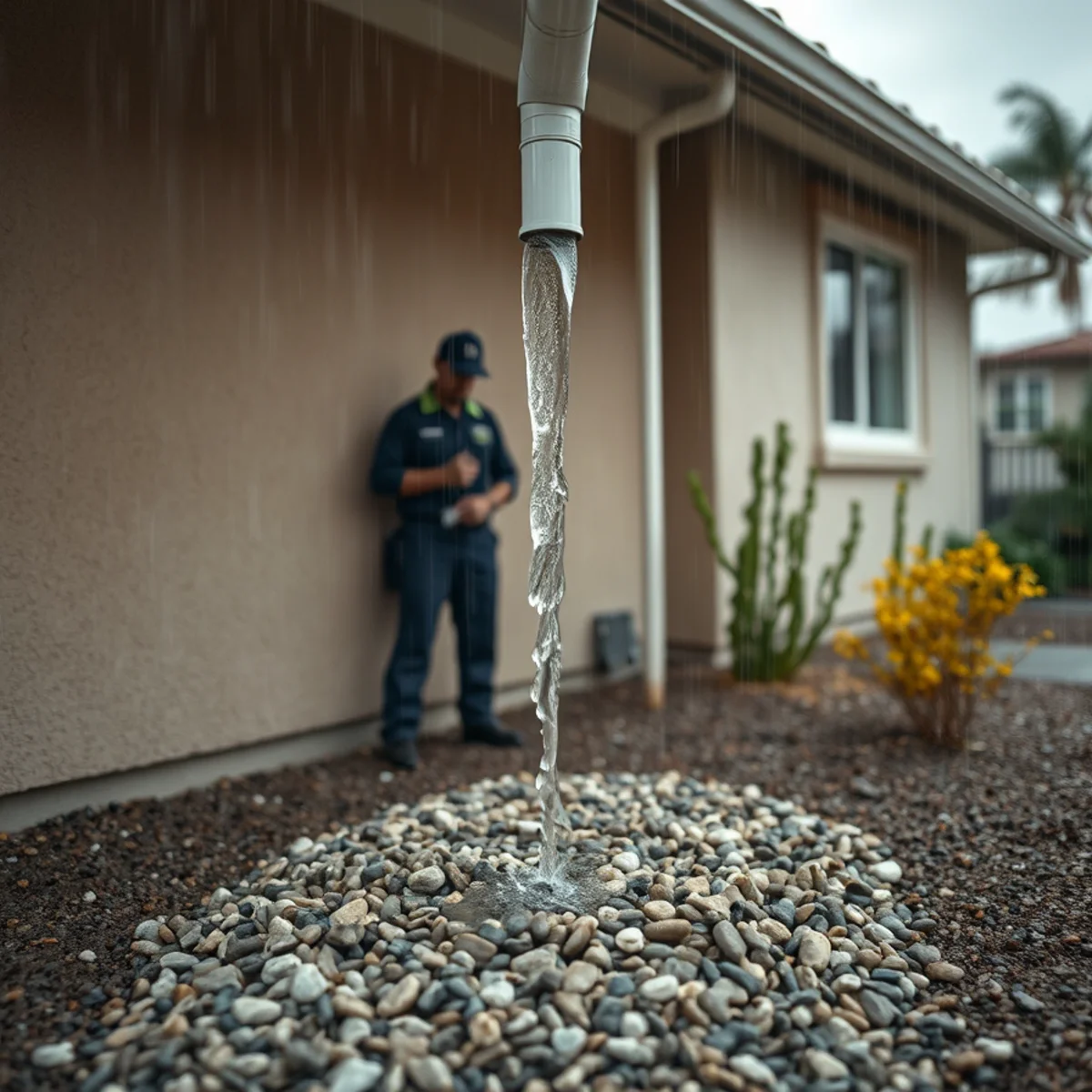
Shut-off valves at the main do not protect against water arriving from outside — storm intrusion, a neighbor's irrigation, a roof leak — or against a failure downstream of the valve in an irrigation system on a separate branch.
Neither replaces the annual maintenance list: replacing supply lines on schedule, exercising angle stops, flushing the water heater and checking static pressure. Technology reduces the consequences of failure; maintenance reduces the frequency.
What We Would Actually Install
In an owner-occupied home with newer plumbing: point sensors at all the usual locations. Inexpensive, effective, no plumber needed.
In a home that sits empty during the day, or with anyone who travels regularly: point sensors plus an automatic shut-off valve at the main.
In a pre-1990 Irvine home with copper under slab: automatic shut-off valve, without hesitation. The flow-monitoring function doubles as early slab leak detection, and that is the failure mode that otherwise runs silently for weeks.
In a rental or vacation property: shut-off valve plus sensors, and check that the Wi-Fi is reliable — a sensor on a dropped network is a decoration.
From the field
What they do not catch, and what we would actually install
Be clear about the limits. A point sensor detects water at its own location, so a leak inside a wall cavity, under a slab or in an attic reaches the sensor only after it has already travelled through material you care about. A flow-based shut-off valve at the main detects abnormal usage patterns — continuous flow beyond a threshold — so it catches a burst line beautifully and catches a slow slab leak weeping half a gallon an hour poorly, because that looks like a running toilet.
What we would put in a typical Irvine house, in priority order: a sensor in the water heater pan, one behind the washing machine, one under the kitchen sink, one under each bathroom vanity, one behind each toilet, and one at the air handler pan if it is in an attic. That is the whole failure list for this housing stock. Then, if the budget allows, an automatic shut-off valve at the main, because the losses that become rebuilds are almost always the ones that ran unattended for hours.
The honest tradeoff on valves: they cost meaningfully more than sensors, they need a plumber, and a false trip means no water until someone reopens it. Many carriers offer a premium credit for a monitored shut-off system, which changes the arithmetic — ask before you buy, and ask what documentation they need. Nobody pays us for these recommendations; we simply stop getting called to the houses that have them.
Put a sensor where water arrives, not where the pipe is
The low point of the pan, the floor behind the toilet, the back corner under the sink. Water finds the low spot before it finds the middle of the room.
Test the alert path twice a year
A sensor with a dead battery or a stale phone number is a decoration. Wet the probe and confirm the message actually arrives.
Frequently Asked Questions
Where should I put water leak sensors?
Under every sink, behind each toilet, in the water heater's drain pan, behind the washing machine and the refrigerator, and at the base of any second-floor plumbing wall. Those are the locations where water appears first in the failures that actually happen.
Do automatic shut-off valves really work?
Yes, and they solve the problem sensors do not: they act without you. A valve at the main monitors flow and closes when the pattern looks like a break, whether you are home, asleep or away. Many also flag small persistent flows, which makes them useful early detection for slab leaks.
Will my insurance give me a discount?
Several California carriers offer a premium credit for a monitored automatic shut-off valve, and some offer smaller credits for monitored sensors. Call your agent before buying and ask which devices qualify and what documentation they need — some require professional installation or specific certified products.
Need help with this in Irvine?
We handle this work every week across Irvine and Orange County. A live dispatcher answers 24/7, gives you an arrival window, and tells you what to do while you wait. Free on-site assessment and written scope before any demolition.
Related services