Prevention & Maintenance · 5 min read
When to Replace Washing Machine Hoses, Water Heaters, and Supply Lines (The Ages That Matter)
Almost everything we get called for is a component that had a knowable service life and exceeded it. Here is the list, with the numbers.
Short answer
Braided supply lines: five to eight years. Water heaters: eight to twelve, and toward the low end in Orange County's hard water. Angle stops: ten to fifteen years, exercised annually. Pressure regulators: ten to fifteen. Replace on the calendar rather than on failure — every one of these fails without warning and floods while nobody is home.
There is a version of home maintenance that is guesswork and a version that is just a schedule. Plumbing components are firmly in the second category — they have service lives, those service lives are published, and almost every loss we respond to is a component that exceeded its.
Here are the numbers, and hard Orange County water pushes most of them toward the short end.
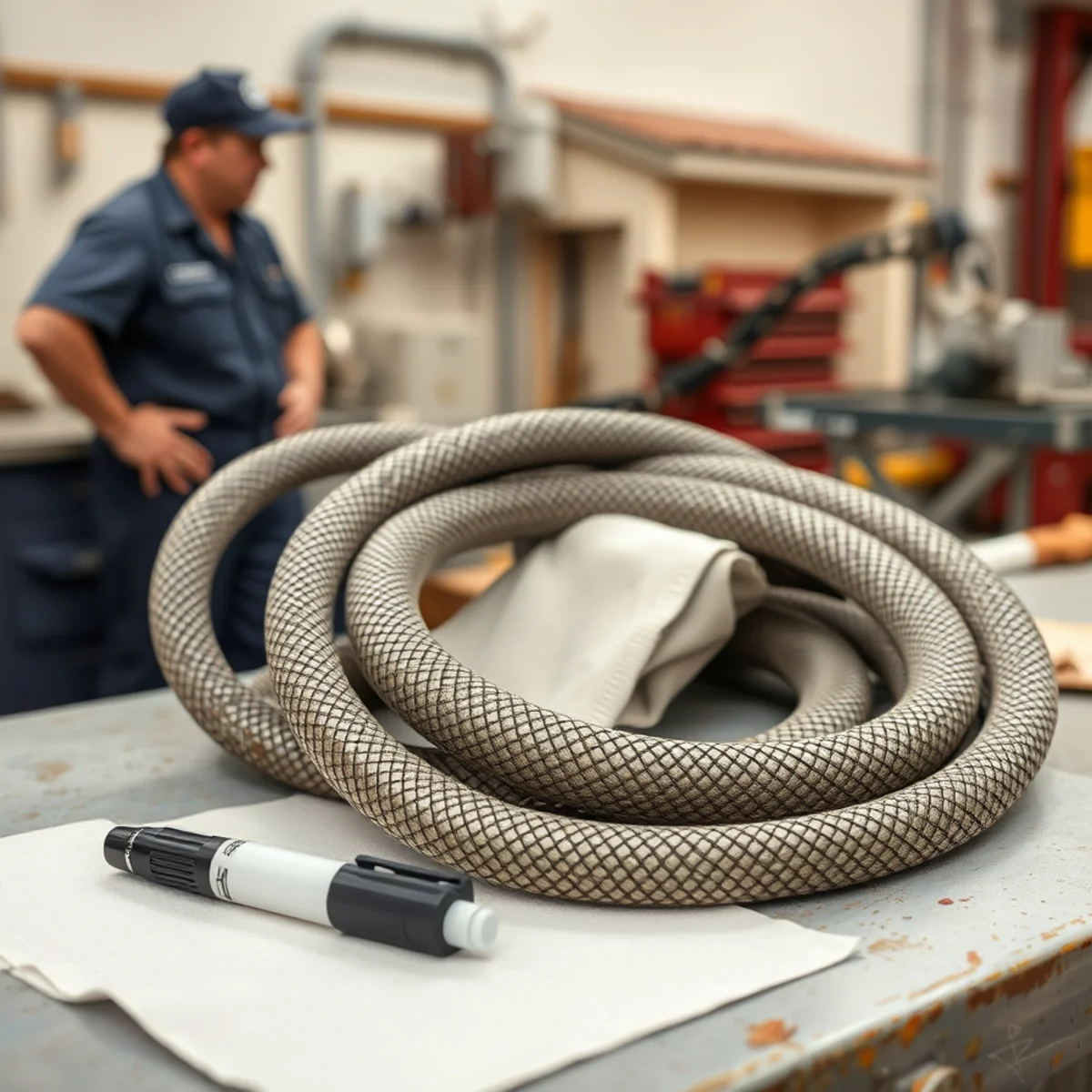
Braided Supply Lines: 5 to 8 Years
Every toilet, sink, dishwasher, refrigerator ice maker and washing machine in your house has one. They are under constant household pressure whether the fixture is in use or not.
Stainless braided lines fail when the inner tube degrades or the crimped fitting corrodes. Rubber lines — still present in plenty of older homes — are worse and should be replaced immediately regardless of age.
Replacing every supply line in a typical house is a Saturday morning and roughly a hundred dollars in parts. Write the installation date on each one with a permanent marker so the next person knows.
This is the single highest-return preventive replacement available to a homeowner. It is also the one almost nobody does.
Water Heaters: 8 to 12 Years, Low End Here
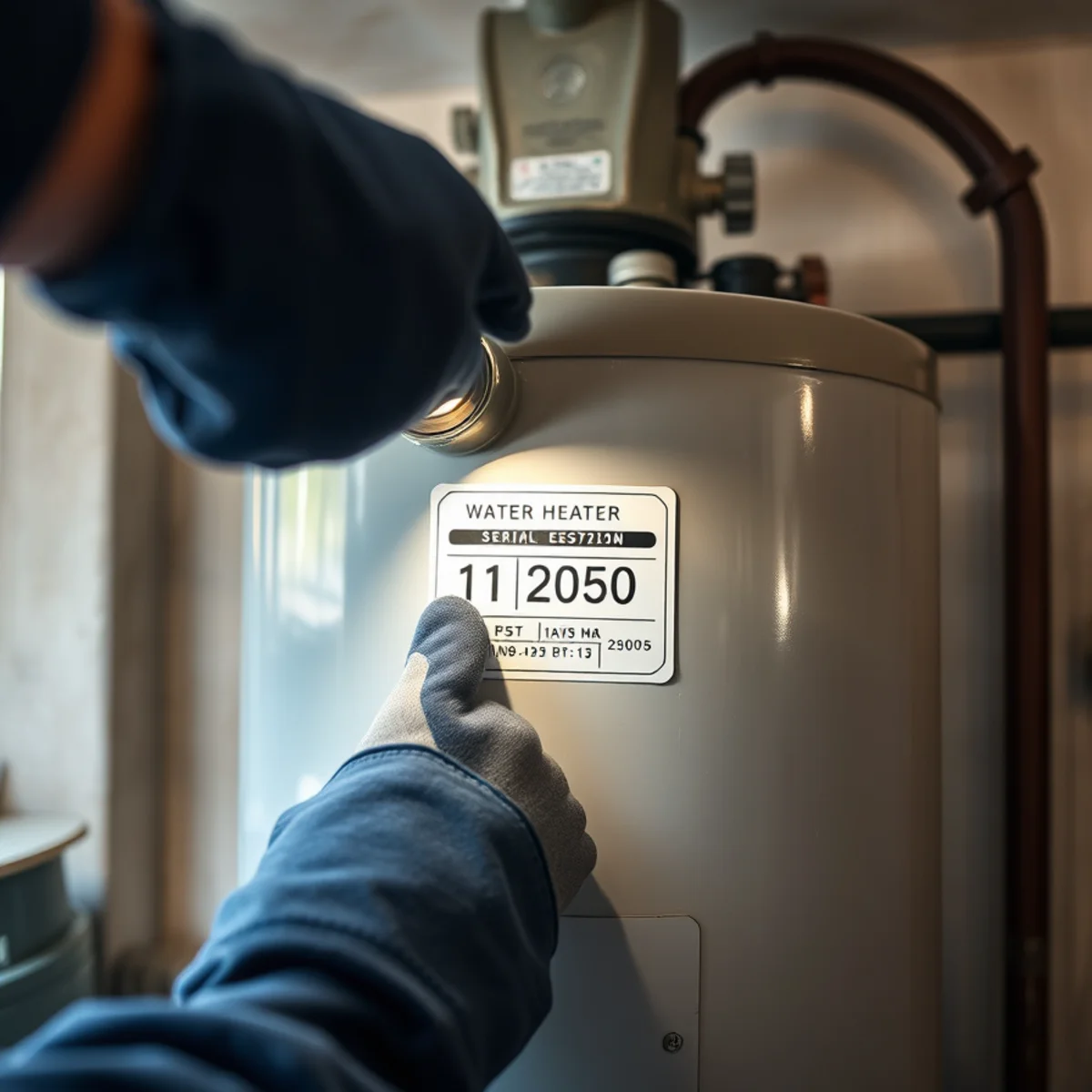
Tank water heaters are rated for eight to twelve years and Orange County's hard water pushes most units toward the low end. Sediment on the tank floor insulates the burner from the water, forcing longer hotter runs that attack the glass lining.
Find the manufacture date encoded in the serial number on the label — manufacturers publish the format. If yours is past ten, plan the replacement rather than waiting.
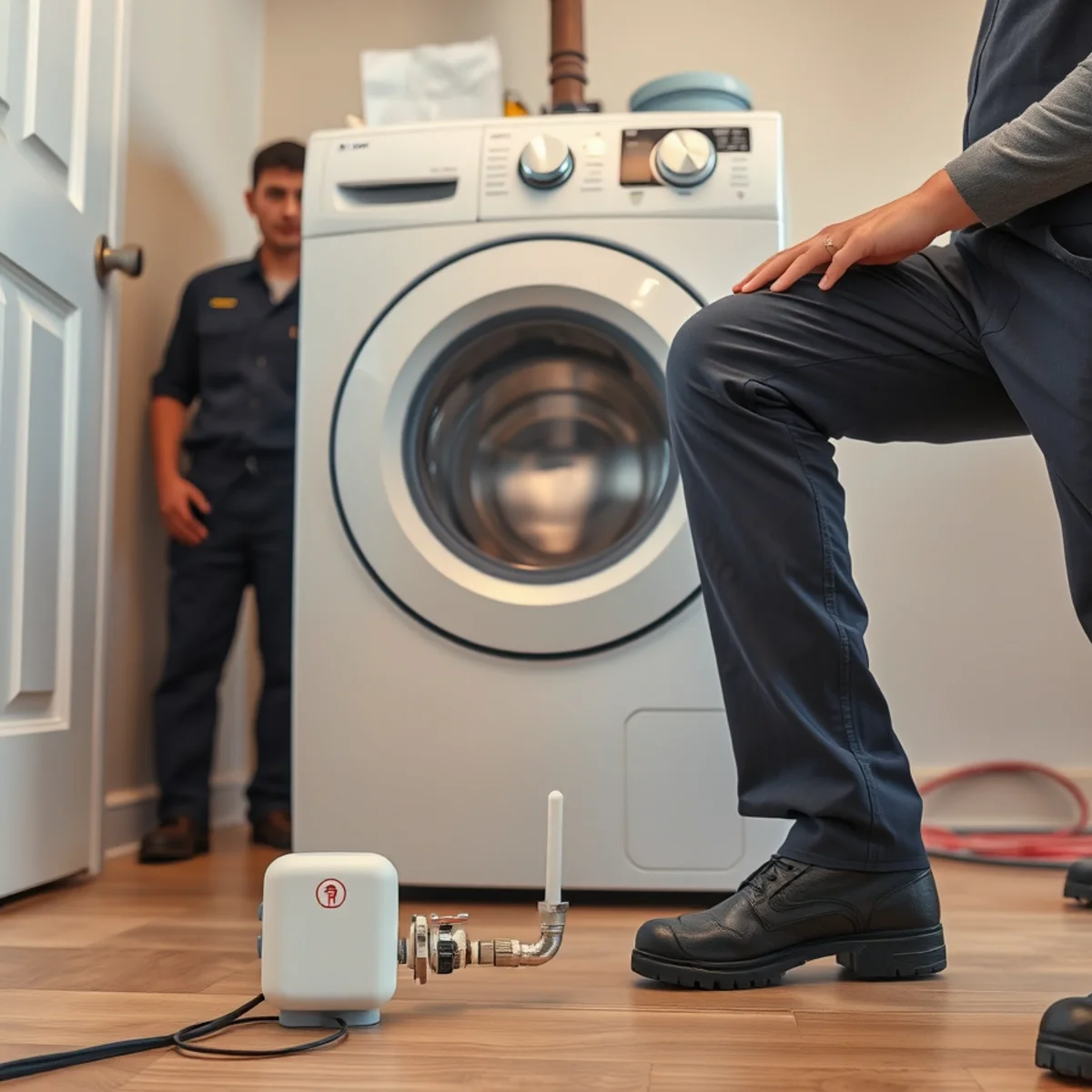
A planned replacement costs a fraction of an unplanned flood plus a replacement, and it lets you add a drain pan and a leak sensor at the same time.
Tankless units last longer, roughly fifteen to twenty years, but they need annual descaling in hard water or they lose efficiency and fail early.
Standing water right now? Call us before you do anything else.
We are on site within 60 minutes anywhere in Irvine, 24 hours a day.
Angle Stops: 10 to 15 Years, and Exercise Them Yearly
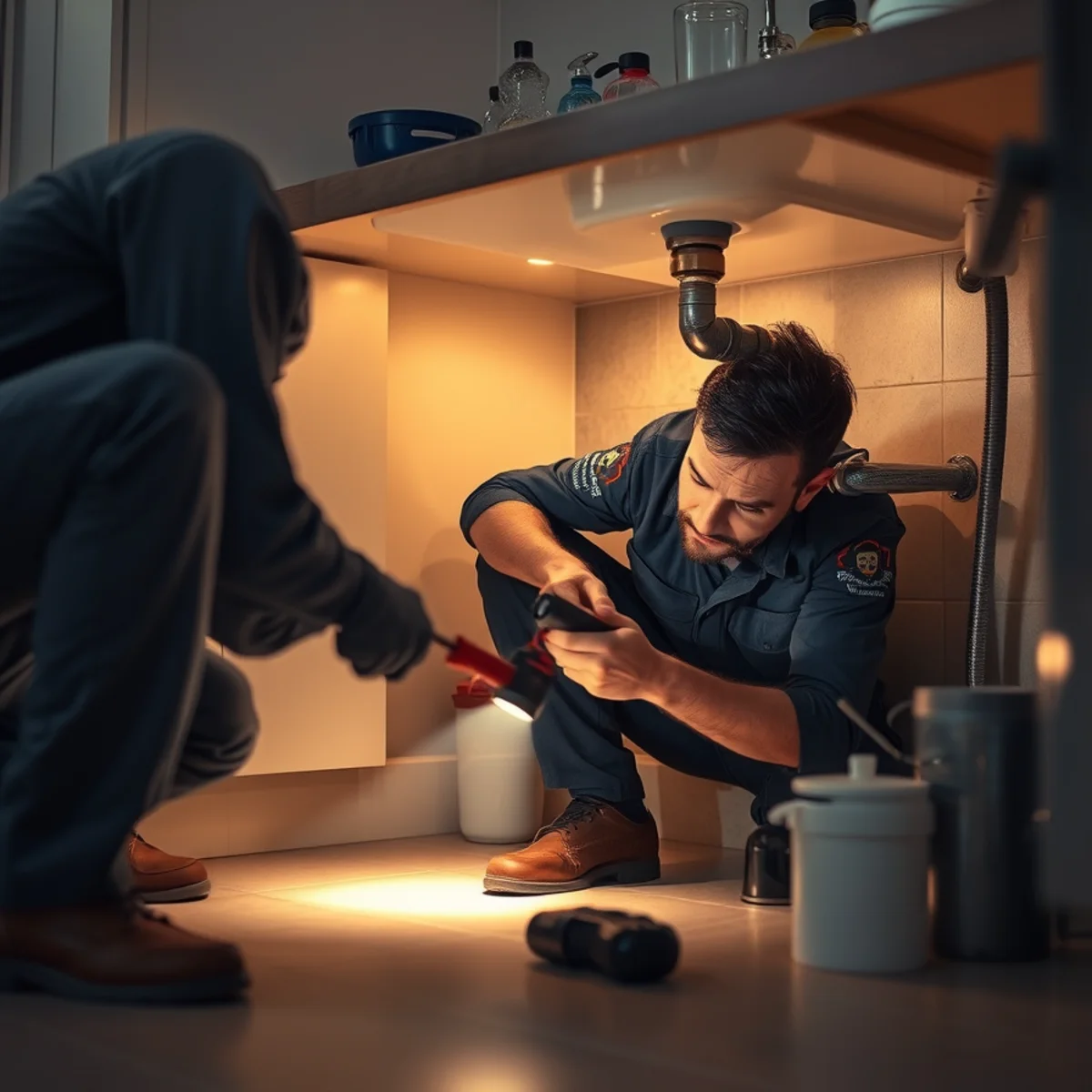
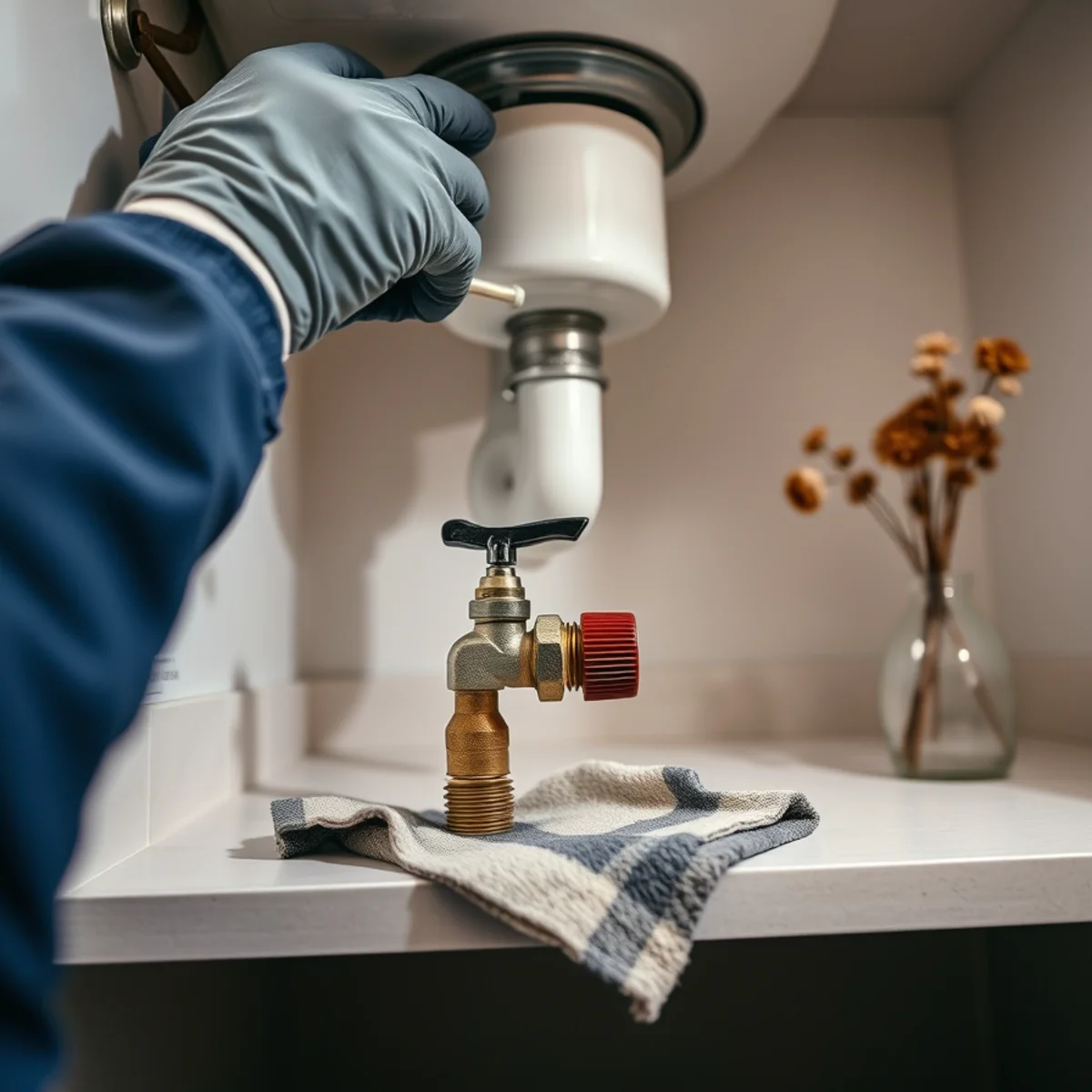
The small shut-off valves behind toilets and under sinks. They fail two ways: they seize from hard water scale so they will not close, or the packing degrades and they weep.
The seizing is the dangerous one, because you find out when you need it. Exercise every one in the house once a year — fully closed, fully open. The whole house takes ten minutes.
If one will not turn, replace it rather than forcing it. And when you do replace them, quarter-turn ball valves are more reliable than multi-turn compression stops.
Pressure Regulators: 10 to 15 Years
This is the component nobody thinks about and it affects everything else. A pressure regulator holds your household pressure at a safe level, and when it fails, static pressure climbs — sometimes well above 80 psi.
At elevated pressure every fixture, joint, appliance connection and supply line in the house lives under constant stress, and failures multiply.
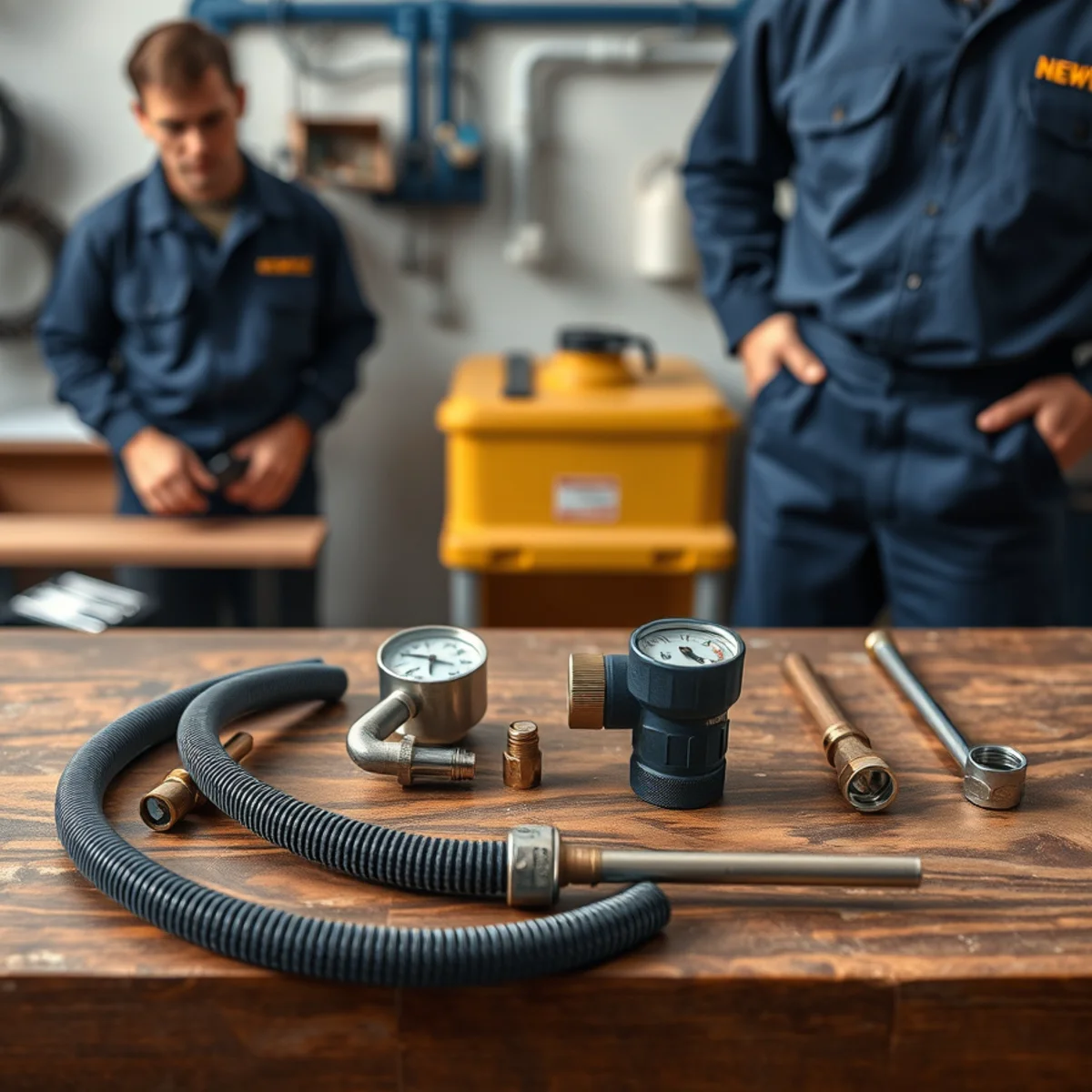
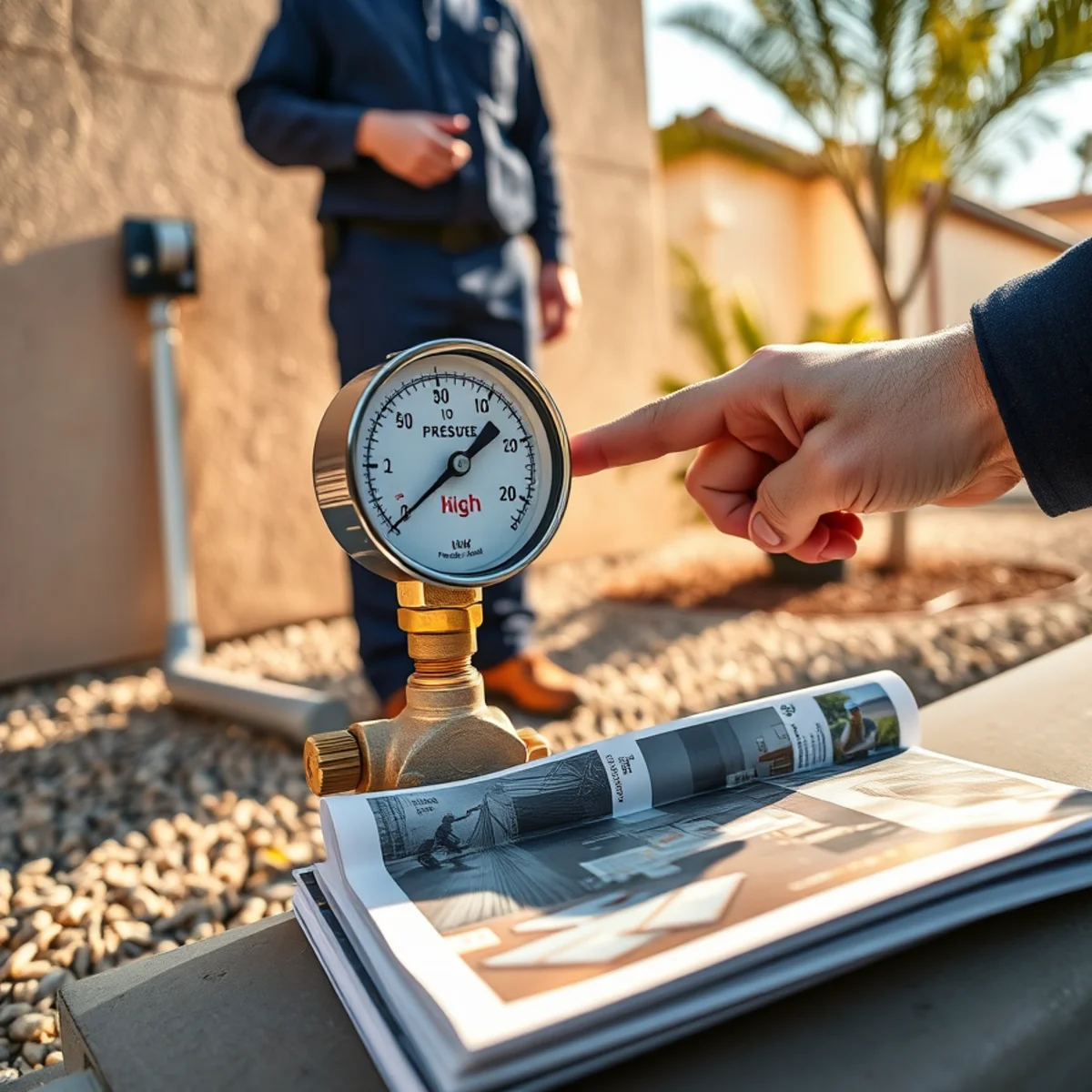
Buy a hose-bib pressure gauge for about ten dollars, screw it onto an outdoor faucet with everything else off, and read it. Above 80 psi means the regulator has failed or needs adjusting. Check it annually.
We have seen homes with three separate small leaks in eighteen months where the underlying cause was a dead regulator and 100-plus psi on every connection.
The Rest of the Schedule
Washing machine drain hose: inspect annually, replace at signs of cracking. Confirm it is secured in the standpipe.
Toilet wax ring or seal: not on a schedule, but replace whenever a toilet is pulled, and address any rocking immediately.
Water heater anode rod: check every three to four years, replace when substantially consumed. Cheap part, direct extension of tank life.
Water heater flush: annually. The highest-value maintenance item in a hard water market.
Sump pump, where you have one: test quarterly, expect seven to ten years of life.
Shower and tub valve cartridges: replace at signs of dripping, which is usually ten to fifteen years.
Why This Beats Reacting
A braided supply line costs a few dollars. The loss when one fails in an unoccupied house runs into five figures.
A water heater replacement is a known number on a scheduled day. A water heater failure is a garage flood plus a replacement plus whatever it reached inside the house.
A pressure gauge is ten dollars. Elevated pressure quietly shortens the life of every connection in the building.
There is nothing clever about any of this. It is a list and a calendar, and it is the difference between the homes we visit and the homes we do not.
From the field
Why replacing on a date beats replacing on inspection
Every component on this list degrades internally where you cannot see it. A braided supply line fails when the rubber core inside the braid perishes, and the braid hides that completely — which is why a hose that looks brand new can let go without any visible warning. A water heater fails when the glass lining cracks and the steel corrodes from inside. An angle stop seizes because scale built on a stem inside the body.
That is the whole argument for calendar replacement. Inspection is genuinely useful for catching active weeps and corrosion at connections, and it will not tell you that the hose behind your washing machine is in its last month. The parts are inexpensive, the labour is short, and the failure mode is four to eight gallons a minute into a house with nobody in it.
The honest cost comparison: replacing every braided line in a typical house, both washing machine hoses, and exercising every valve is a modest afternoon plus parts. A single unattended supply line failure that ran for a day is a five-figure loss with a deductible, a claim on your record and weeks of disruption. We are the company that gets paid when the second thing happens, and we would still rather you did the first.
Write the date on the part with a marker
Nobody remembers when a hose was changed. A date on the braid or the heater jacket makes the next decision trivial.
Do the whole house at once, not one at a time
Everything installed with the build is the same age. Replacing one and leaving eight is solving a ninth of the problem.
Frequently Asked Questions
How long do braided supply lines last?
Five to eight years realistically, and they are under constant household pressure the entire time whether the fixture is in use or not. Rubber hoses are worse and should be replaced immediately. Replacing every line in a typical house is one morning and around a hundred dollars in parts.
How do I find my water heater's age?
The manufacture date is encoded in the serial number on the unit's label, and most manufacturers publish the decoding format on their website. If it is past ten years in this market, plan the replacement — hard Orange County water pushes tank life toward the short end of the eight-to-twelve-year rating.
How do I check my water pressure?
Buy a hose-bib pressure gauge for about ten dollars, screw it onto an outdoor faucet with everything else in the house off, and read it. Above 80 psi means your pressure regulator has failed or needs adjusting, and every connection in the house is under elevated stress. Check it annually.
Need help with this in Irvine?
We handle this work every week across Irvine and Orange County. A live dispatcher answers 24/7, gives you an arrival window, and tells you what to do while you wait. Free on-site assessment and written scope before any demolition.
Related services