Local Irvine & Orange County · 5 min read
The Hidden Cost of Hard Water: Scale Buildup, Reduced Pressure, and Early Pipe Failure in OC Homes
Hardness does not cause one dramatic failure. It causes a dozen small ones over twenty years, and they add up to more than most people realize.
Short answer
Hard water deposits calcium and magnesium scale wherever water is heated or sits still. That scale narrows pipe bores and reduces pressure, seizes shut-off valves so they will not close in an emergency, and builds sediment in water heaters that insulates the burner from the water and shortens tank life toward the low end of its rating.
Hard water does not announce itself. It shows up as spots on glassware, film on a shower door and soap that will not lather, and most people categorize it as a nuisance.
The cumulative plumbing cost over twenty years is considerably larger than the nuisance suggests, and it is worth understanding as a maintenance issue rather than an aesthetic one.
Where the Scale Goes
Dissolved calcium and magnesium precipitate out wherever water is heated or where flow slows and turbulence occurs — inside your water heater, at bends and fittings in supply lines, inside valves, at aerators and shower heads, and inside every water-using appliance.
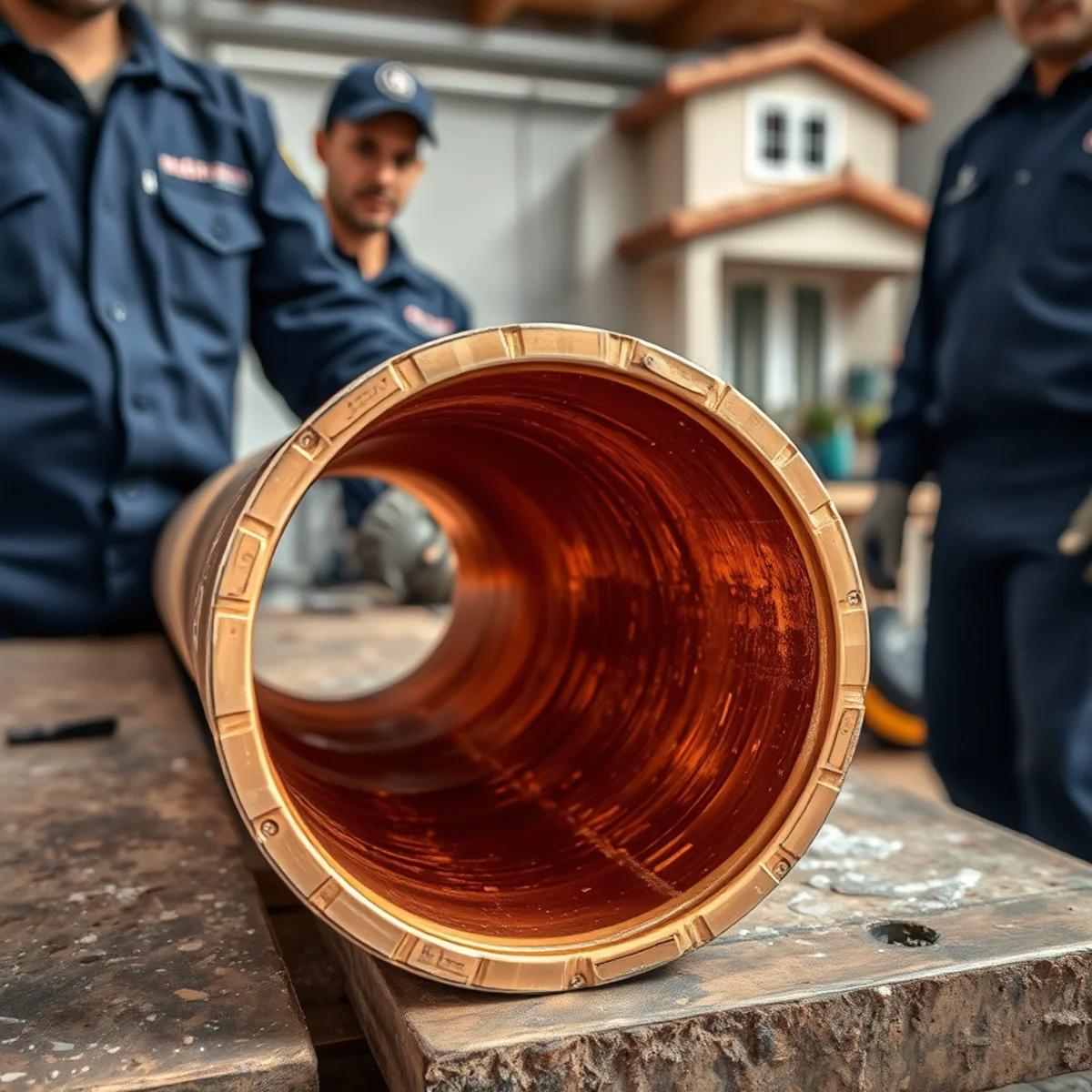
In supply lines, scale narrows the bore. That increases flow velocity for the same volume, which increases turbulence at every irregularity, which erodes the protective oxide layer inside copper and exposes fresh metal to attack.
So hardness both restricts your plumbing and accelerates its failure, and it does both slowly enough that nobody notices until something breaks.
The Pressure You Lost Without Noticing
Water pressure that declined gradually over fifteen years is almost impossible to perceive, because there is no moment of change to notice. Homeowners describe it as their shower never having been great.
Scale is a common cause, particularly in galvanized systems in older adjacent cities like Old Towne Orange, Old Town Tustin and parts of Santa Ana and Fullerton, where the pipe corrodes internally and the bore narrows dramatically.
It is also worth ruling out the alternative: a hidden leak. Water escaping before it reaches your fixtures produces the same symptom. A meter test with the house isolated distinguishes them in fifteen minutes.
Standing water right now? Call us before you do anything else.
We are on site within 60 minutes anywhere in Irvine, 24 hours a day.
Seized Valves Are the Failure Mode That Bites Hardest
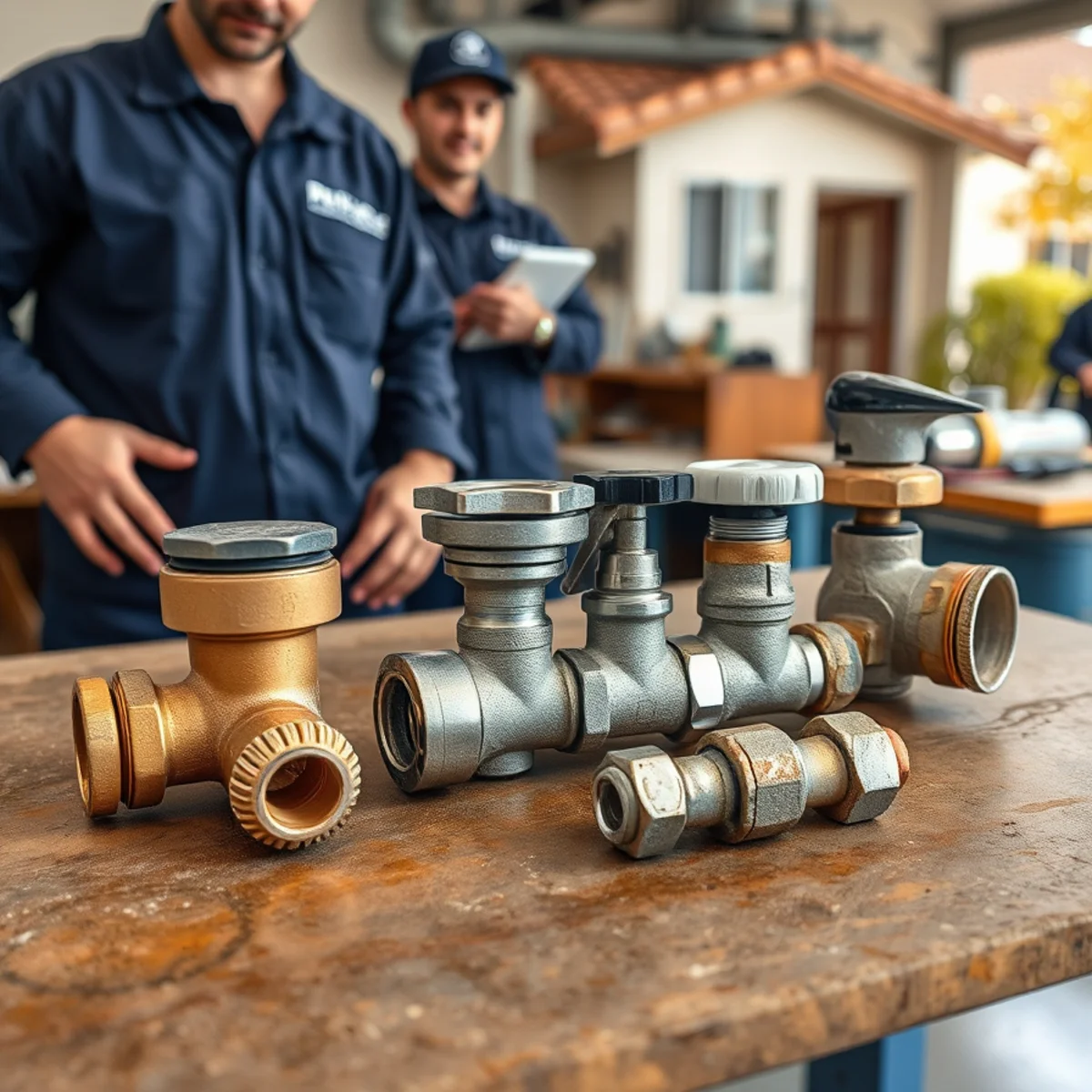
This one is worth acting on today. Scale builds inside angle stops and fixture valves, and a valve that has sat in one position for fifteen years accumulates enough deposit that it simply will not turn.
You discover this in the worst possible circumstance: standing over a leaking toilet supply, reaching for the shut-off, and finding it frozen. Then you are running for the main while water accumulates.
Exercise every angle stop in the house once a year — fully closed, fully open. Behind every toilet, under every sink, behind the washer, at the water heater. The whole house takes ten minutes and it is the cheapest emergency preparedness available.
Do the same with your main shut-off. A main that will not close is a liability every day you own the house.
The Water Heater Is Where It Costs the Most
Tank heaters are rated for eight to twelve years and in Orange County they skew toward the low end. Sediment settles on the tank floor, insulates the burner from the water, and forces the unit to run hotter and longer — which attacks the glass lining and eventually the steel.
The sacrificial anode rod is the defense, and in hard water it depletes faster. Almost nobody checks it.
Annual flushing and an anode check every three to four years genuinely extend tank life, and both are inexpensive relative to a failed tank plus a flooded garage.
Softener, Conditioner, or Neither
A traditional ion-exchange softener removes hardness minerals and is the most effective option. Note that some California jurisdictions restrict self-regenerating softeners due to brine discharge concerns — check locally before buying.
Salt-free conditioners do not remove hardness; they alter how minerals crystallize so scale adheres less readily. Less effective than true softening, no brine discharge, and no salt to carry.
Neither reverses existing damage. If you have forty-five-year-old copper under a slab, treating the water now protects your heater and fixtures going forward and does nothing for pipe that has already thinned.
If a softener is not practical, the annual water heater flush and the yearly valve exercise capture a meaningful share of the benefit for essentially no cost. Start there and decide about equipment later.
From the field
The pressure you lost without noticing
Scale accumulation is gradual, which is why almost nobody reports it. A pipe that has narrowed by a third over fifteen years gives you a shower that got slightly weaker each year, and human beings adapt to that perfectly. The usual moment of realisation is moving house, or replacing a section of pipe and seeing what came out of it.
It matters more than comfort, though. A narrowed bore raises velocity for the same flow, and higher velocity at bends and fittings is exactly what strips copper's protective oxide layer and starts pinhole corrosion. So the scale is not just sitting there — it is actively creating the conditions for the failure. That is the mechanism connecting Orange County's water chemistry to the region's slab leak rate.
Softener, conditioner or neither, honestly: a salt-based softener removes hardness and genuinely extends the life of heaters, valves and fixtures, at the cost of installation, ongoing salt and maintenance, plus discharge considerations worth checking locally. Salt-free conditioners change how scale crystallises so it deposits less readily — a real but smaller effect, with no salt and less maintenance. Neither is a scam and neither is a miracle. We sell no equipment; what we see is that softened houses have fewer heater failures and fewer seized valves.
Exercise every shut-off valve once a year
Close and reopen each angle stop and the main. A valve that will not close in an emergency is the difference between a wet floor and a wet house.
Flush the heater and check the anode
An annual flush and an anode rod check every three to four years is the highest-return maintenance available on the most expensive component.
Frequently Asked Questions
How hard is Orange County water?
Hard — the supply blends imported water with local groundwater and carries substantial dissolved calcium and magnesium. Your water district publishes an annual water quality report with the specific hardness figure for your service area, which is worth looking up if you want the number for your address.
Why has my water pressure dropped over the years?
Two common causes. Scale narrowing the pipe bore, particularly in older galvanized systems. Or a hidden leak, where water escapes before reaching your fixtures. A meter test with the whole house isolated distinguishes them in fifteen minutes — if the meter moves with everything off, you have a leak.
Is a water softener worth it in Orange County?
For protecting a water heater, fixtures, valves and appliances over years, yes — it makes a real difference. Whether it pays for itself depends on how long you plan to stay. Check local restrictions on self-regenerating units first. And if a softener is not practical, an annual heater flush captures a good share of the benefit for nothing.
Need help with this in Irvine?
We handle this work every week across Irvine and Orange County. A live dispatcher answers 24/7, gives you an arrival window, and tells you what to do while you wait. Free on-site assessment and written scope before any demolition.
Related services