Local Irvine & Orange County · 6 min read
Orange County Hard Water Is Eating Your Copper Pipes: What Irvine Homeowners Can Do About Pinhole Leaks
The mineral content that leaves spots on your glassware is doing considerably more expensive things inside your walls.
Short answer
Hard water deposits mineral scale on the inside of copper, narrowing the bore and creating turbulence at bends and fittings. That turbulence strips the protective oxide layer, and the exposed copper corrodes from the inside out until a pinhole forms. Orange County's water is hard enough that this is the region's dominant hidden-leak mechanism.
Orange County's water is hard — high in dissolved calcium and magnesium. Most people notice it as spots on glassware, film on shower doors and soap that will not lather.
The more consequential effects are the ones you cannot see: what it does to copper supply lines, water heaters and valves over decades.
What Hardness Actually Does Inside a Pipe
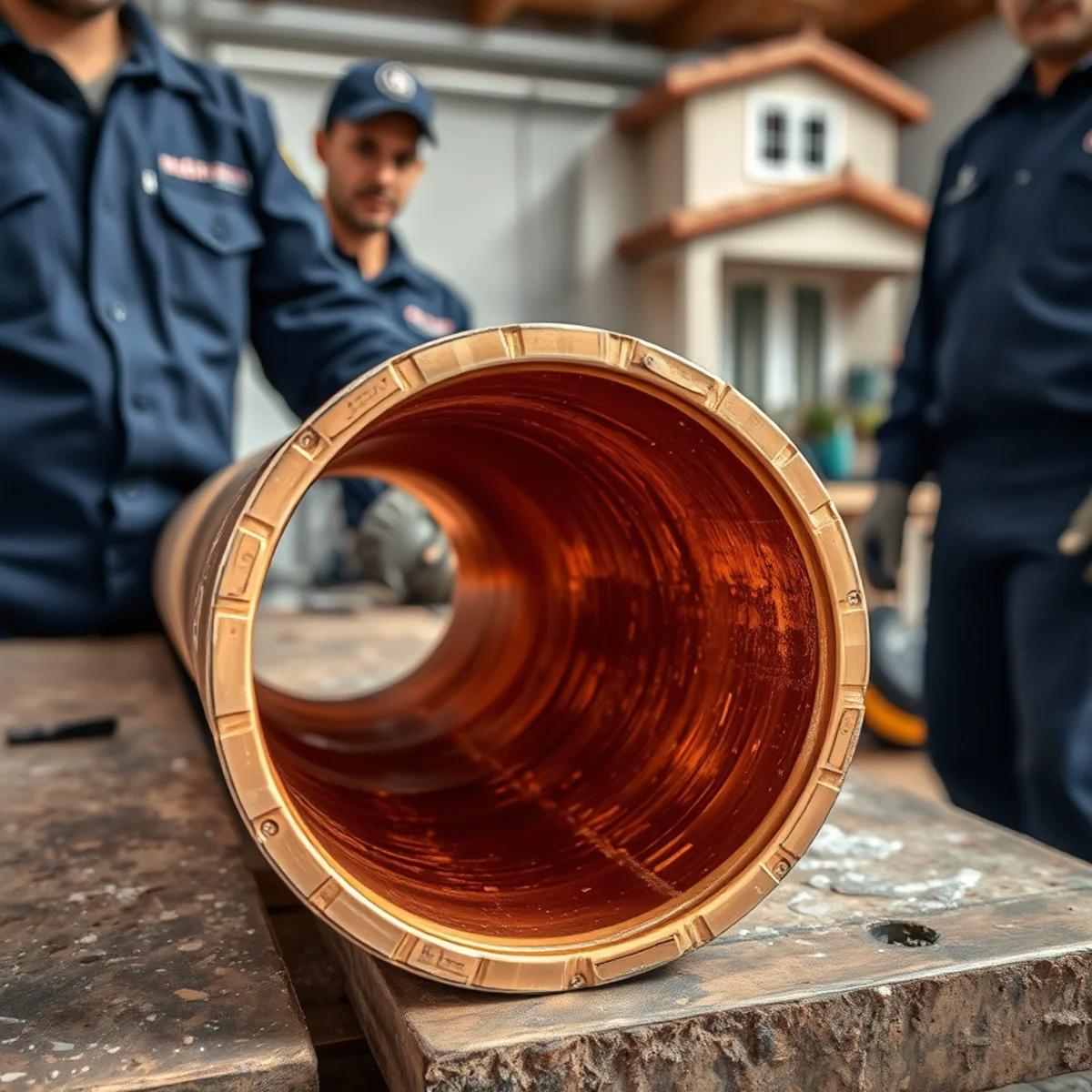
Dissolved minerals precipitate out of solution wherever water is heated or where flow slows and turbulence occurs — at bends, at fittings, at reducers. That precipitate forms scale on the pipe wall.
Scale narrows the bore, which increases flow velocity for the same volume, which increases turbulence at every irregularity. Turbulent flow erodes the protective oxide layer on the inside of copper, exposing fresh metal to attack.
At the same time, where soil chemistry around a slab runs alkaline, the outside of the pipe corrodes. Copper under a slab is being worked on from both directions.
The failure mode is a pinhole — a perforation small enough to weep rather than spray, which is why slab leaks run for weeks before anyone notices.
It Kills Water Heaters Faster Than Anything Else
Manufacturers rate tank water heaters for eight to twelve years. In Orange County the real-world number skews toward the low end, and hardness is why.
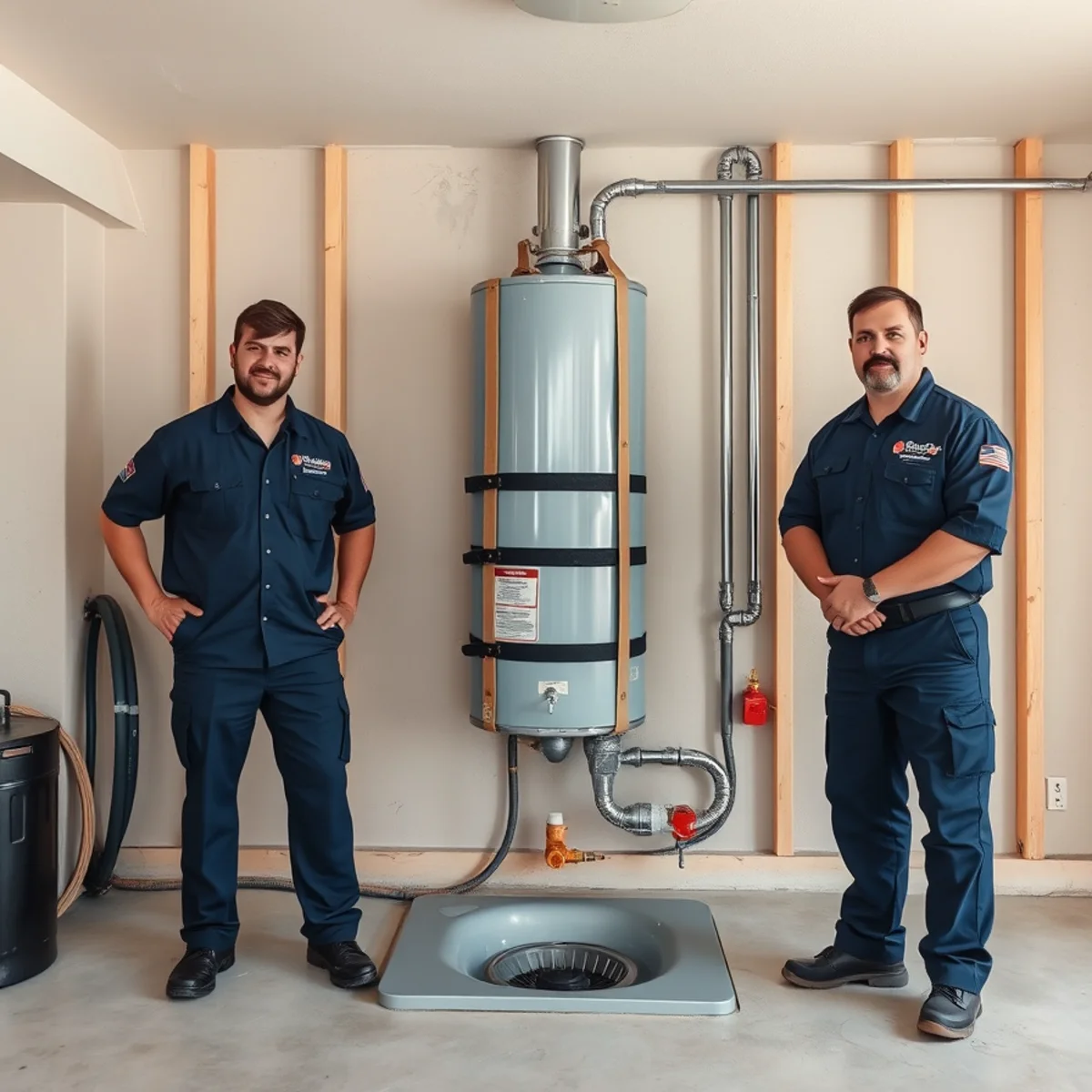
Heated water precipitates minerals out fastest, and they settle on the tank floor as sediment. That sediment layer insulates the burner from the water above it, so the unit has to run hotter and longer to reach temperature. The thermal stress attacks the glass lining, and once the lining fails the steel underneath corrodes.
The sacrificial anode rod is the defense — a magnesium or aluminum rod that corrodes preferentially so the tank does not. In hard water it depletes faster, and virtually nobody checks it.
This is why water heater failures are one of the most common losses we respond to in Irvine's 2000s villages, where a whole cohort of original units is reaching the end at once.
Standing water right now? Call us before you do anything else.
We are on site within 60 minutes anywhere in Irvine, 24 hours a day.
The Valve Problem Nobody Thinks About
Scale also builds inside angle stops and fixture valves. A valve that sits in one position for fifteen years accumulates enough deposit that it will not turn — and you discover this at exactly the wrong moment, standing over a leaking toilet supply.
Every angle stop in your house should be exercised once a year: turn it fully closed, then fully open again. The whole house takes ten minutes.
The same applies to your main shut-off. A main that will not close is a liability every day you own the house, and testing it once a year is what prevents discovering that during a flood.
What Actually Helps
Flush your water heater annually. Draining the sediment layer is the single highest-value maintenance item available, it costs nothing but time, and it directly extends tank life.
Check the anode rod every three to four years and replace it when substantially consumed. Inexpensive part, direct life extension.
Exercise every angle stop and your main shut-off annually.
Check your static water pressure with a hose-bib gauge. Above 80 psi means your pressure regulator has failed or needs adjusting, and elevated pressure accelerates everything described above. Regulators last roughly ten to fifteen years and almost nobody replaces them.
Is a Water Softener Worth It?
For protecting a water heater, fixtures, valves and appliances, a softener makes a real difference over time. Whether it pays for itself depends on how long you plan to stay in the house and what you are protecting.
Note that California has restrictions on self-regenerating softeners in some jurisdictions due to brine discharge concerns, so check locally before buying. Salt-free conditioners are an alternative — they do not remove hardness but they alter how minerals precipitate, which reduces scale adhesion.
If a softener is not practical, the annual heater flush captures a good share of the benefit for none of the cost. Start there.
One thing a softener will not do is reverse existing damage. If you have copper under a slab that has been in hard water for forty-five years, softening the water now protects the water heater going forward but does not restore pipe that has already thinned.
From the field
The valve problem nobody thinks about until an emergency
Everyone worries about the pipe. The component that actually causes the worst outcomes is the angle stop — the small shut-off valve under every sink and behind every toilet. Those valves sit in one position for years while scale builds around the stem and seat. When a supply line lets go at two in the morning and you reach for the local shut-off, it turns a quarter and stops, or the handle spins on a corroded stem. Now the only option is the main, and it takes minutes to find in the dark.
The fix is free and takes an afternoon: once a year, close and reopen every angle stop in the house, then back it a quarter turn off hard-open. Any that will not close is a plumber's small job, and replacing a seized multi-turn stop with a quarter-turn ball valve makes it reliable for the next decade. Do the main shut-off and the water heater's cold inlet at the same time.
The honest tradeoff on softeners: a softener genuinely reduces scale, extends water heater life and stops the valve problem, and it costs installation plus ongoing salt and maintenance. Whether that pays back depends on how long you plan to stay, and salt-based systems have discharge considerations worth checking locally. Salt-free conditioners change how scale crystallises rather than removing hardness — a real effect, a smaller one. We do not sell either; we just see which houses have fewer failures.
Flush the water heater annually
Sediment on the tank floor insulates the burner from the water, so the unit runs hotter and longer and the steel is stressed the whole time.
A drop in pressure over years is a symptom
Scale narrows the bore gradually, so people adapt without noticing. Comparing shower flow to a decade ago is more informative than most people expect.
Frequently Asked Questions
Is Orange County water hard?
Yes. The supply is a blend of imported water and local groundwater, and it is high in dissolved calcium and magnesium. Your water district publishes an annual water quality report with the specific hardness figure for your service area — worth looking up if you want the number for your address.
Will a water softener stop pinhole leaks?
It reduces one of the contributing factors going forward, but it does not reverse existing damage. Copper that has been thinning under a slab for forty-five years does not recover. A softener is worth it for protecting your water heater, fixtures and valves — not as a remedy for pipe that is already near failure.
How often should I flush my water heater?
Annually. It drains the sediment layer that accumulates on the tank floor, which is what insulates the burner from the water, stresses the steel and shortens tank life. It is a straightforward DIY job and it is the single highest-value maintenance item for a water heater in this market.
Need help with this in Irvine?
We handle this work every week across Irvine and Orange County. A live dispatcher answers 24/7, gives you an arrival window, and tells you what to do while you wait. Free on-site assessment and written scope before any demolition.
Related services