Local Irvine & Orange County · 5 min read
Why Your Woodbridge Home's 40-Year-Old Copper Is Hitting Pinhole-Leak Age Right Now
We have run four slab leak jobs within a few hundred yards of each other off Yale Loop. That is not coincidence — it is a build phase reaching the same age.
Short answer
Woodbridge homes were built largely between 1975 and 1985 with copper supply lines running through slab-on-grade foundations. That copper is now forty to fifty years into continuous exposure to hard water inside and alkaline soil outside — squarely inside the pinhole-corrosion window, which is why the village produces more slab leak calls than any other in Irvine.
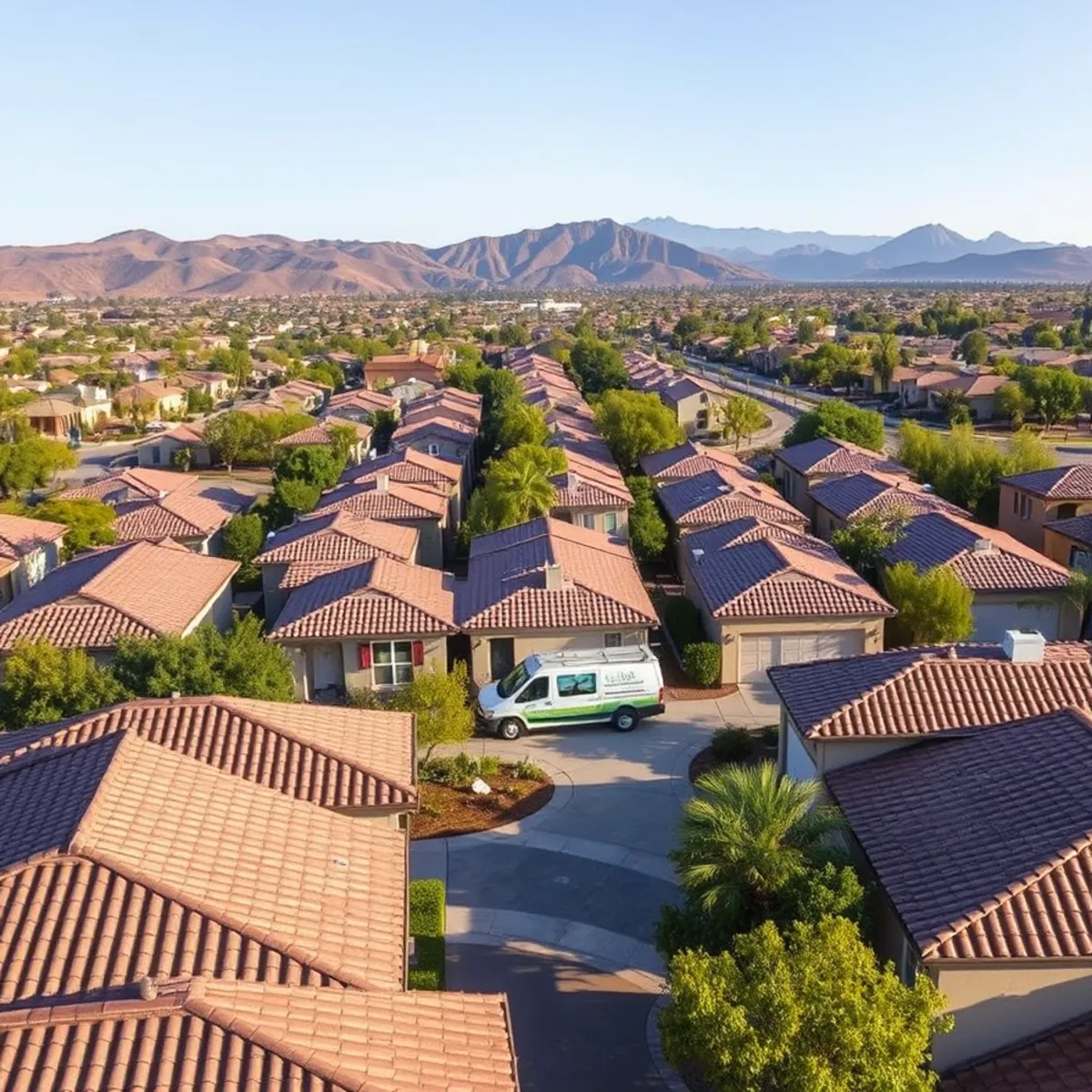
Woodbridge was developed starting in 1975 around North Lake and South Lake, and several thousand homes went up over roughly a decade. It is still the community most people picture when they think of master-planned Irvine.
It is also, by some margin, the neighborhood we get the most slab leak calls from — and for a reason that is entirely predictable.
The Arithmetic
Homes here were built roughly between 1975 and 1985, slab-on-grade, with copper supply lines run through and beneath the concrete. That copper is now forty to fifty years old.
Copper in this environment does not have a fixed lifespan, but it has a failure curve, and forty-plus years of hard Orange County water is squarely on the steep part of it. For the earliest Woodbridge phases, past it.
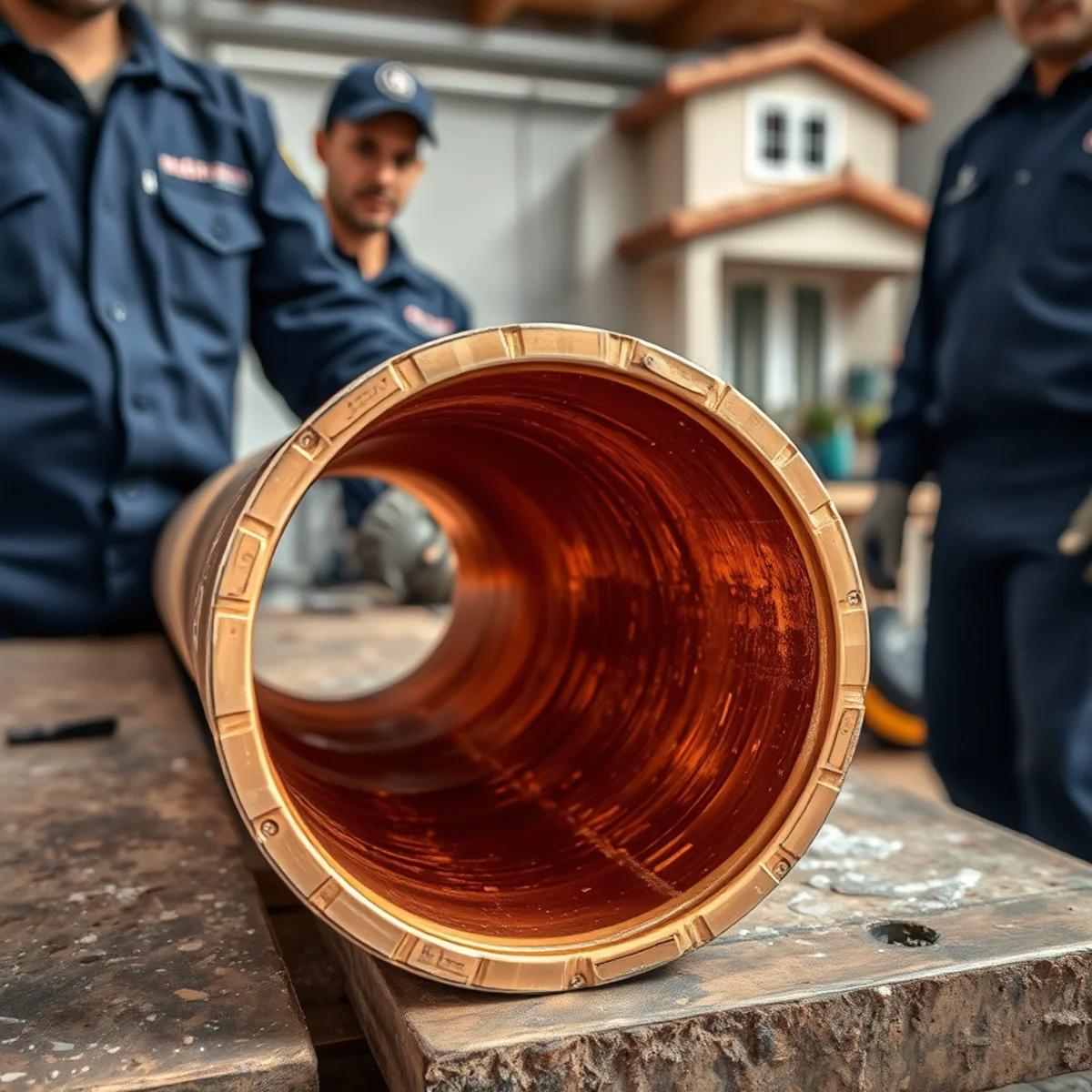
Two chemistries are working simultaneously. Hard water scales the inside, narrowing the bore and increasing turbulence at bends and fittings, which erodes the protective oxide layer. Alkaline soil around the slab attacks the outside. The result is the pinhole: a weep too small to make a puddle, running continuously under a foundation for weeks.
Why They Cluster
Over roughly two years we ran four separate slab leak jobs on homes within a few hundred yards of each other off Yale Loop — different owners, no connection between them.
Same 1978 build phase. Same builder. Same copper, installed by the same crews in the same year. Same water. There is nothing mysterious about it.
If two or three homes on your Woodbridge street have had slab leaks recently, yours is on the same curve. That is not a scare tactic, it is how cohort failure works, and knowing it lets you watch for the signs rather than being surprised.
Standing water right now? Call us before you do anything else.
We are on site within 60 minutes anywhere in Irvine, 24 hours a day.
What the Lakes Do and Do Not Do
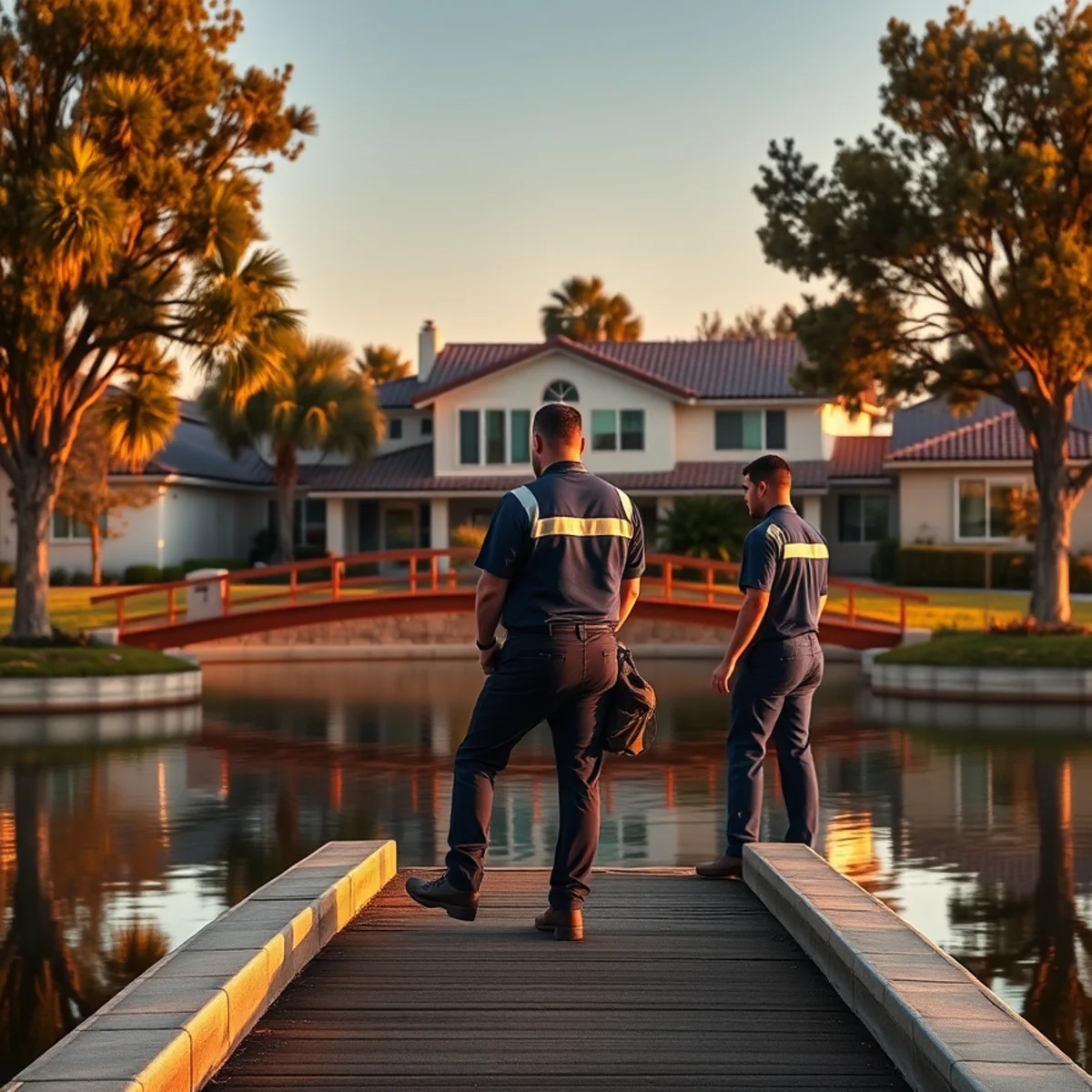
Homeowners sometimes assume the lakes cause the leaks. They do not — North Lake and South Lake are lined and managed and they are not putting water under your slab.
What they do contribute is a locally elevated water table near the lake edges. That matters during drying, not during failure: a Woodbridge lakeside slab commonly takes a day or two longer to reach dry standard than an equivalent slab in a drier part of the city.
We size dehumidification for that from the start on lakeside jobs rather than discovering it on day four.
The Repipe Conversation, Honestly
Of the four Yale Loop homeowners, two chose spot repairs. Both called us back within eighteen months. The two who repiped have not.
That pattern is why we raise repipe earlier in Woodbridge than anywhere else in Irvine. We do not do plumbing — we do detection, drying and rebuild — so the recommendation costs us nothing to make and gains us nothing either way.
The arithmetic people get wrong is comparing plumbing invoice to plumbing invoice. Every slab leak also generates detection, extraction, five to seven days of slab drying with desiccant equipment, then concrete patching, flooring, base, drywall and paint. That restoration cost frequently exceeds the plumbing repair and it recurs with every leak.
First leak in a Woodbridge home: spot repair is reasonable, but start planning. Second leak: repipe.
What to Watch For
A warm spot on the floor with no appliance, sunlight or radiant heating to explain it. Walk your house barefoot in the morning — this is the most specific single indicator there is.
A water bill that jumped without a change in usage.
The sound of running water with every fixture off, listened for in a quiet hallway at night.
Damp or lifting flooring in a room with no plumbing, because water spreads laterally along the slab from wherever the leak actually is.
And the confirmation that costs nothing: shut off every fixture and watch the water meter's low-flow indicator for fifteen minutes. If it moves, you have found it before it surfaced.
From the field
Why the leaks cluster, and what the lakes do and do not do
Woodbridge went up as a village over about a decade, with the same trades installing the same copper to the same details. Corrosion is a time-and-chemistry process, so a cohort of pipe installed within a few years of each other fails within a few years of each other. That is genuinely why neighbours compare notes and find three slab leaks on one street in a season. It is not a coincidence and it is not a bad batch — it is arithmetic.
The lakes get blamed for a lot and deserve some of it. North Lake and South Lake create a locally elevated water table for homes nearby, which does not cause slab leaks but does affect the drying. Slabs in those homes routinely take a day or two longer to reach dry standard, because the concrete is releasing moisture into a space that already has an elevated vapour load. We plan for that on day one rather than discovering it on day four.
The repipe conversation, honestly: a first leak in an otherwise healthy system is reasonably handled with a spot repair, and we say so. At a second leak in a house of this era, the conditions that caused the first apply to every remaining foot of copper in that slab, and each subsequent leak brings its own concrete access, drying and flooring cost on top of the plumbing invoice. We do not do plumbing, so that recommendation costs us nothing.
Warm floor spot, high bill, running water sound
The three signs worth acting on immediately in a Woodbridge home. All three are indirect, because a slab leak rarely makes a puddle.
Talk to your Village Association early
Equipment in common areas, staging and work hours all need approval. Sorting it at the start beats negotiating it mid-dry-down.
Frequently Asked Questions
How old is the plumbing in Woodbridge homes?
Most Woodbridge homes were built between roughly 1975 and 1985, which puts original copper supply lines under the slab at 40 to 50 years of exposure to hard Orange County water. That is squarely inside — and for the earliest phases past — the typical pinhole corrosion window.
Do the Woodbridge lakes cause slab leaks?
No. The lakes are lined and managed and they are not putting water under your slab. What they do is raise the local water table near the lake edges, which means slabs there release moisture more slowly during a dry-out — commonly a day or two longer than the same job elsewhere in Irvine.
Should I repipe my Woodbridge home?
After one leak in an otherwise healthy system, a spot repair is reasonable — but start planning. After a second, we would say repipe, and we do not do plumbing so that recommendation gains us nothing. The conditions that caused the first leak apply to every foot of pipe under your slab, and each subsequent leak brings its own drying and rebuild bill.
Need help with this in Irvine?
We handle this work every week across Irvine and Orange County. A live dispatcher answers 24/7, gives you an arrival window, and tells you what to do while you wait. Free on-site assessment and written scope before any demolition.
Related services