Problem Solving · 5 min read
Tree Roots in Your Sewer Line: Warning Signs to Catch Before the Backup
If snaking fixes it and then it comes back in six months, you have roots. Here is how to confirm it and what the permanent options actually cost you in disruption.
Short answer
The early signs come in this order: gurgling from a drain or toilet when another fixture runs, slow drainage in the lowest fixtures first, a faint sewage smell outdoors near the lateral, and unusually green or sunken patches in the lawn along the pipe run. Backups are the late symptom, not the first one.
Sewer laterals in Orange County's older neighborhoods are frequently vitrified clay, joined in short sections. Those joints are exactly what tree roots find — they seek moisture, and a sewer line is the most reliable moisture source in a dry yard.
Once roots are inside, they form a mat that catches everything passing through. The backup that eventually results is the last symptom, not the first.
The Signs That Come First
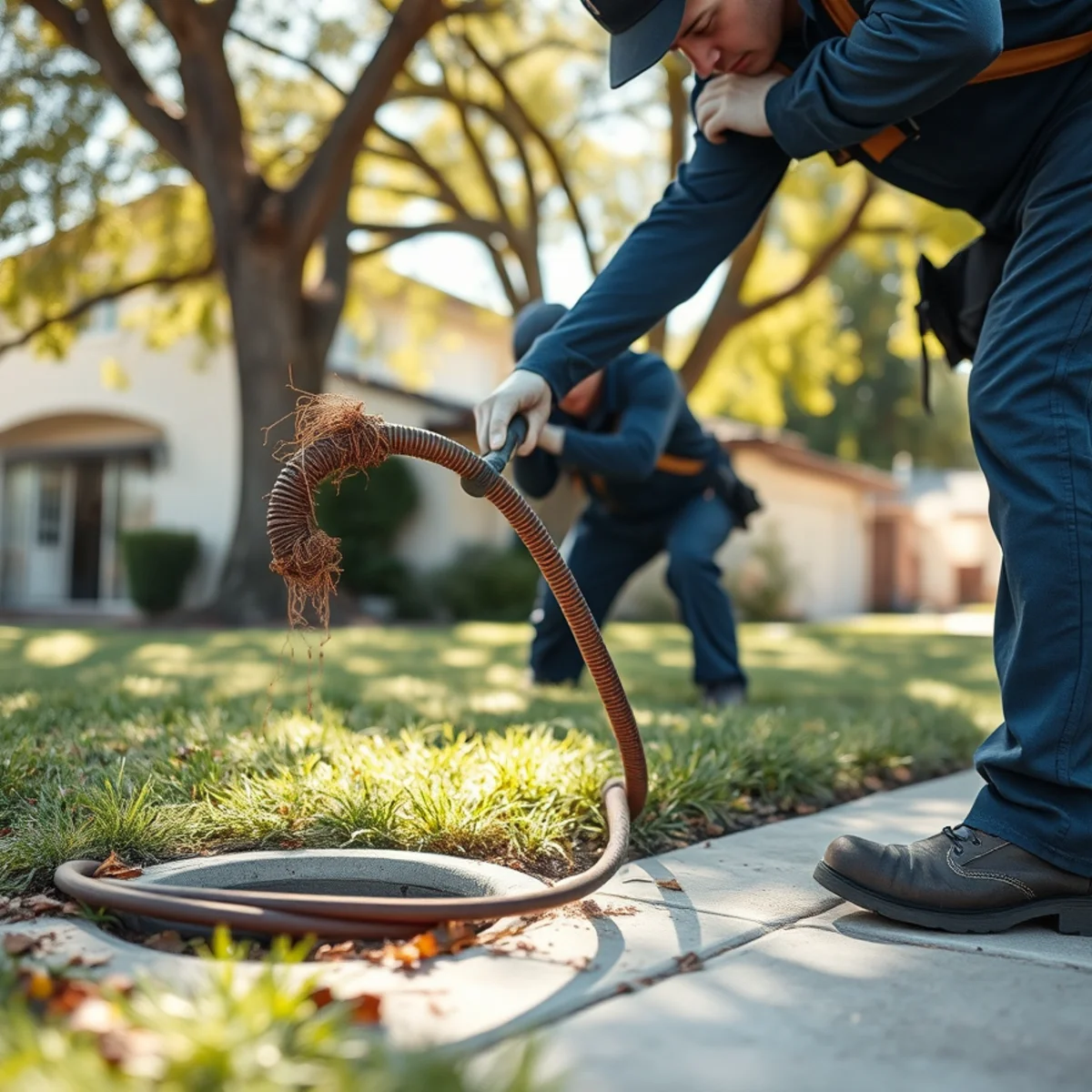
A backup that clears with snaking and returns within six to twelve months. This is the single most reliable indicator. A one-time clog does not recur on a schedule; roots regrow on a schedule.
Multiple drains slowing gradually over months rather than one fixture blocking suddenly.
Gurgling from drains or toilets, particularly after heavy rain — water infiltrating through the same joints the roots came in through.
A patch of lawn that is unusually green, lush or soft over the line's route. Roots are getting nutrients and the line is leaking.
A faint sewer odor in the yard, especially on warm days.
Backups on a schedule
Six to twelve month cycles after snaking. The defining sign.
Gradual multi-drain slowing
Progressive restriction rather than a sudden single-fixture clog.
Green patch over the line
Roots are feeding and the pipe is leaking.
Post-rain gurgling
Infiltration through the same failed joints.
Which Orange County Neighborhoods This Affects
The overlap you need is clay pipe plus mature trees, which maps closely onto the county's older residential districts: Old Towne Orange, downtown Santa Ana and its historic districts, Old Town Tustin, older Costa Mesa, older Fullerton and Placentia, and parts of Anaheim's Colony district.
Most of Irvine is exempt from the classic version of this, because the city was built with ABS and PVC laterals that roots cannot penetrate at the joints the same way. Irvine's sewer problems are more often bellies, grease and wipes.
That said, older adjacent areas we serve regularly — and any Irvine property with a lateral that was replaced or extended in an older section — can still have clay in the run.
Standing water right now? Call us before you do anything else.
We are on site within 60 minutes anywhere in Irvine, 24 hours a day.
Confirm It With a Camera
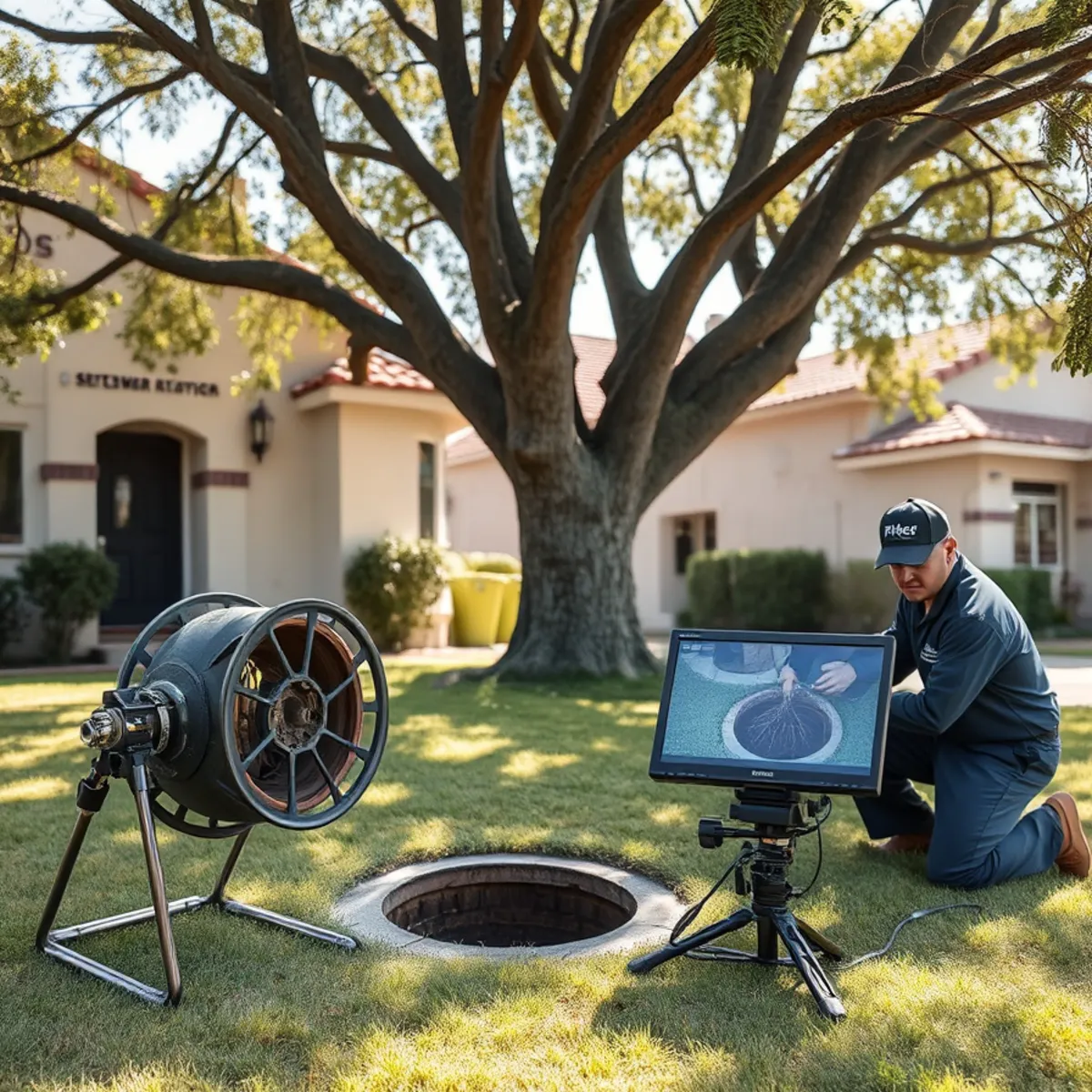
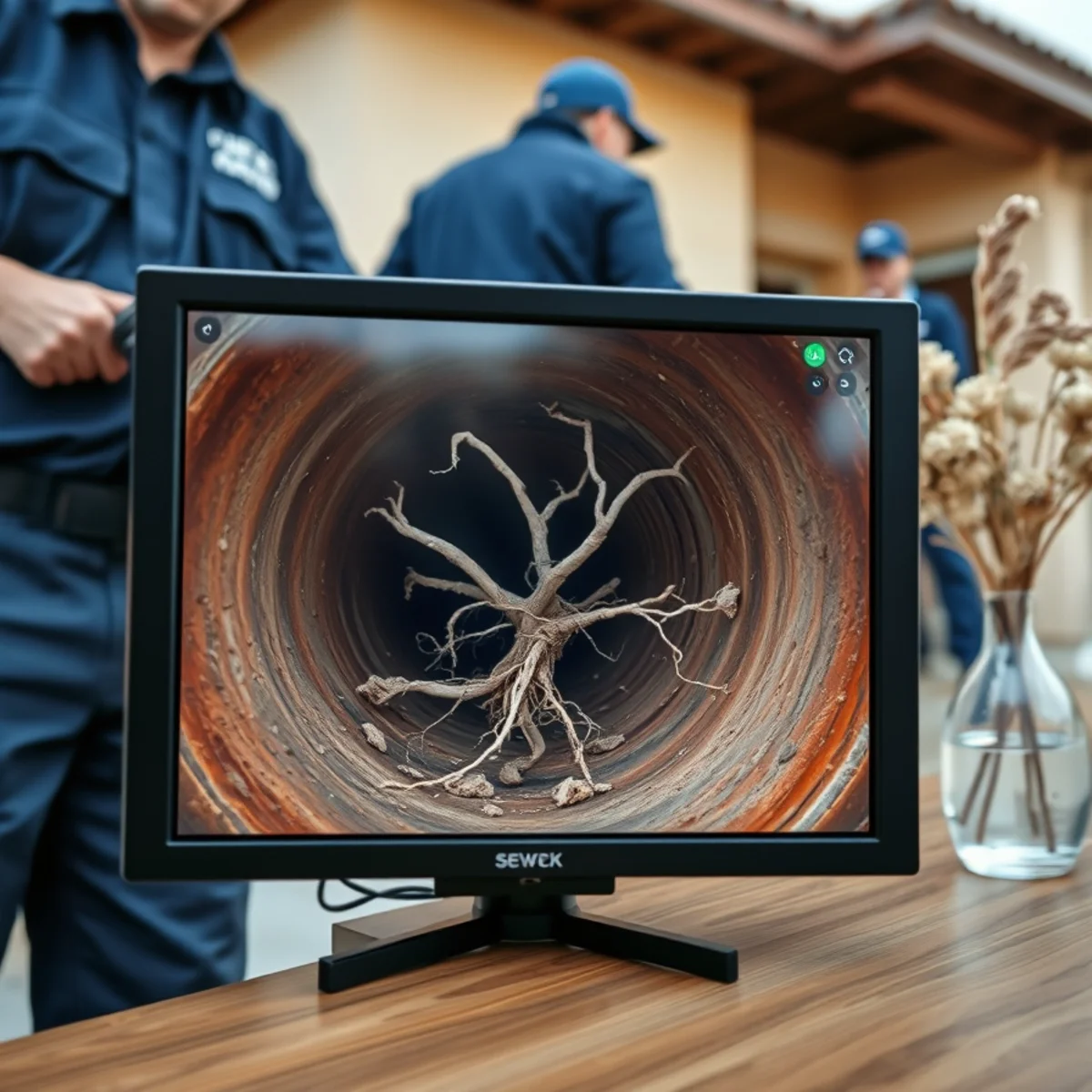
A sewer camera inspection is inexpensive relative to a backup and it converts guesswork into a plan. You see the actual condition of the line, where roots are entering, whether there are bellies or cracks, and how far the problem extends.
Ask for the footage. Any plumber doing a camera inspection should give you a recording, and it is worth having for comparison later and for a real estate transaction.
If you are buying an older Orange County home, a sewer camera inspection is one of the highest-value inspections available and it is not part of a standard home inspection. Ask for it specifically.
What Actually Fixes It
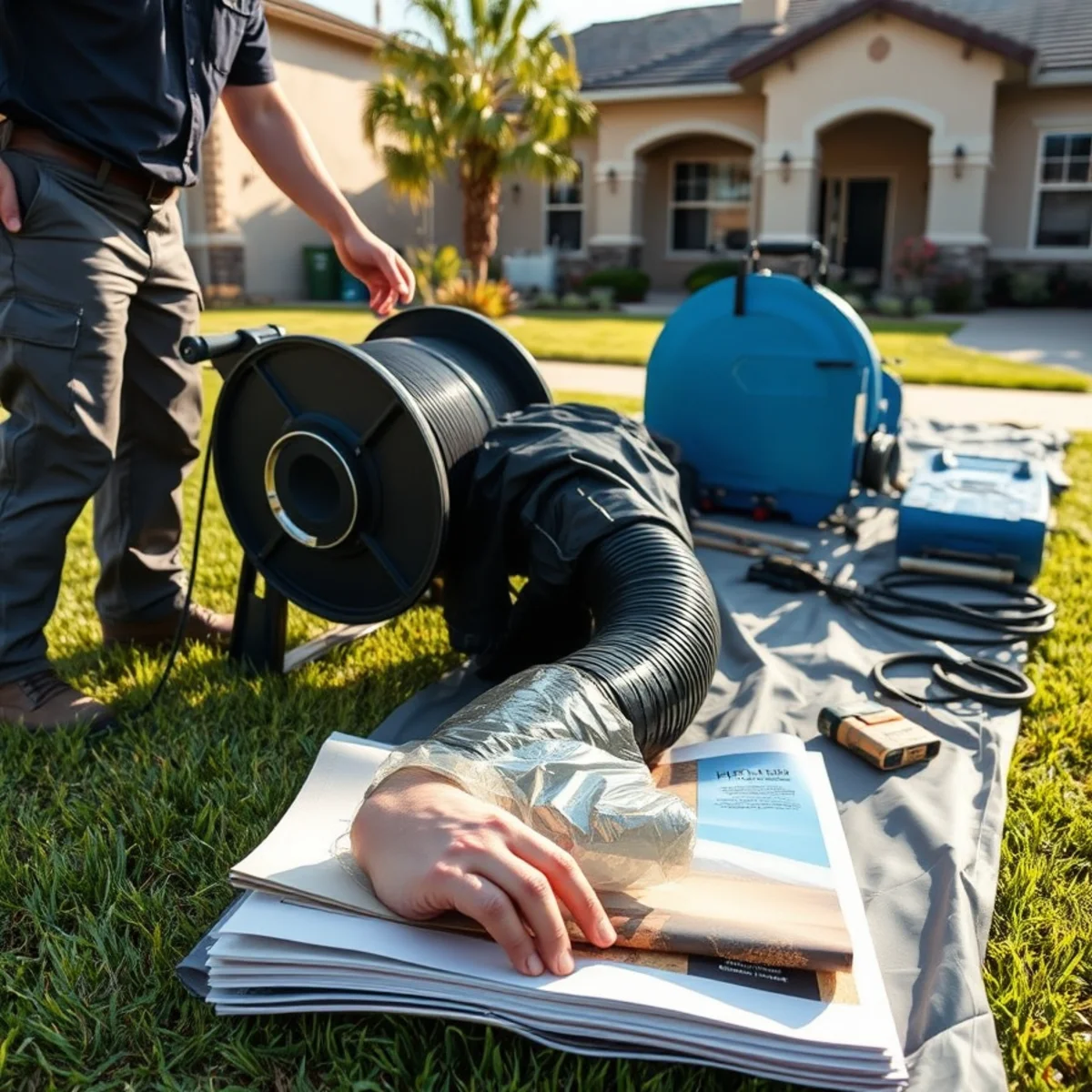
Mechanical snaking or hydro-jetting clears the roots and restores flow. It does not stop them coming back, because the entry points remain. Expect a repeat within a year.
Root-killing foam treatments buy time and are worth doing as maintenance between clearings, but they do not repair the pipe.
Cured-in-place pipe lining installs a continuous liner inside the existing pipe, sealing every joint against re-entry. Trenchless, so no yard excavation in most cases, and it addresses the actual cause rather than the symptom. This is usually the right answer.
Full replacement is the option when the line has collapsed, has significant bellies, or is too deteriorated to line. More disruptive and more expensive, but definitive.
The Tree Question
People ask whether they have to remove the tree. Usually not — if the pipe is lined or replaced properly, roots cannot get in and the tree is no longer a problem.
That matters in neighborhoods like Old Towne Orange and Old Town Tustin, where the mature street trees are a significant part of what makes the district what it is, and where many are protected or city-owned.
Fix the pipe, keep the tree. When planting new trees, keep species with aggressive root systems well away from your lateral's route — and find out where that route actually runs before you plant.
From the field
Why snaking keeps working and keeps failing
A cable machine cuts a hole through the root mass and restores flow, which is why the drain works perfectly the same afternoon. What it does not do is remove the roots' access. Roots enter at a joint or a crack, and the fine feeder roots left behind regrow into a nutrient-rich, moist pipe faster than they grew the first time. That is the pattern homeowners describe as annual snaking, and it is a maintenance subscription rather than a repair.
The diagnostic that changes the conversation is a camera inspection with a locator. It shows where the intrusion is, how many entry points exist, whether the pipe is clay or cast iron, and whether there is also a belly holding water. That determines whether the answer is spot repair, cured-in-place lining or replacement — and lining is genuinely attractive on an otherwise sound clay lateral because it seals the joints roots come through without trenching the yard.
The tree question, honestly: removing the tree is rarely the right answer and frequently not the effective one, because roots already in the line persist and the tree is usually the most valuable thing on the lot. Sealing the pipe is the durable fix. Where a tree genuinely has to go — a lateral crushed by a trunk-adjacent root — that is a decision for an arborist and a plumber together, not a restoration company.
Gurgling is the earliest useful signal
Air being pulled through a partially blocked line. Most people ignore it for months and it is the cheapest point to intervene.
Clay laterals under mature trees are the highest-risk combination
Common in Old Towne Orange, Old Town Tustin and the older parts of Santa Ana and Fullerton. Age of the tree matters as much as age of the pipe.
Frequently Asked Questions
How do I know if roots are in my sewer line?
The clearest sign is a backup that snaking clears and that returns within six to twelve months, on a repeating cycle. Others: multiple drains slowing gradually, gurgling after heavy rain, and an unusually green or soft patch of lawn over the line's route. A camera inspection confirms it definitively.
Will snaking fix root intrusion permanently?
No. Snaking or hydro-jetting clears the roots and restores flow, but the entry points in the pipe joints remain, so the roots regrow. Expect a repeat within a year. Cured-in-place lining seals the joints and addresses the cause; replacement is the option when the line is too deteriorated to line.
Do I have to remove the tree?
Usually not. If the pipe is lined or replaced properly, roots cannot get in and the tree stops being a problem. That matters in historic districts where mature street trees are protected or city-owned. Fix the pipe rather than the tree.
Need help with this in Irvine?
We handle this work every week across Irvine and Orange County. A live dispatcher answers 24/7, gives you an arrival window, and tells you what to do while you wait. Free on-site assessment and written scope before any demolition.
Related services